Microwave Thermotherapy
Microwave Thermotherapy is a minimally invasive medical procedure that utilizes electromagnetic waves in the microwave spectrum to generate heat within biological tissues. This targeted heating is primarily employed for therapeutic purposes, particularly in the field of oncology.
Key Takeaways
- Microwave Thermotherapy uses electromagnetic waves to heat and destroy abnormal tissues, particularly tumors.
- The treatment works by causing water molecules within cells to vibrate, generating localized heat that leads to cell death.
- It is a minimally invasive procedure, often resulting in less pain and faster recovery compared to traditional surgery.
- Primary applications include the treatment of various cancers, such as liver, lung, kidney, and bone tumors.
- Benefits include precise targeting, reduced treatment time, and suitability for patients who may not be candidates for surgery.
What is Microwave Thermotherapy?
Microwave Thermotherapy refers to a medical treatment that employs microwave energy to induce hyperthermia, or elevated temperature, in specific areas of the body. This technique is predominantly used in cancer treatment, where the controlled application of heat aims to destroy cancerous cells while minimizing damage to surrounding healthy tissue. The principle behind what is microwave thermotherapy involves delivering high-frequency electromagnetic waves directly into a tumor, causing its temperature to rise rapidly.
The procedure is often performed under image guidance, such as ultrasound or CT scans, to ensure precise placement of the microwave antenna within or adjacent to the target lesion. This precision is crucial for maximizing therapeutic effect and enhancing patient safety. Microwave Thermotherapy is considered a local ablative therapy, meaning it focuses on eliminating a tumor in a specific location rather than treating the entire body.
Mechanism of Microwave Thermotherapy
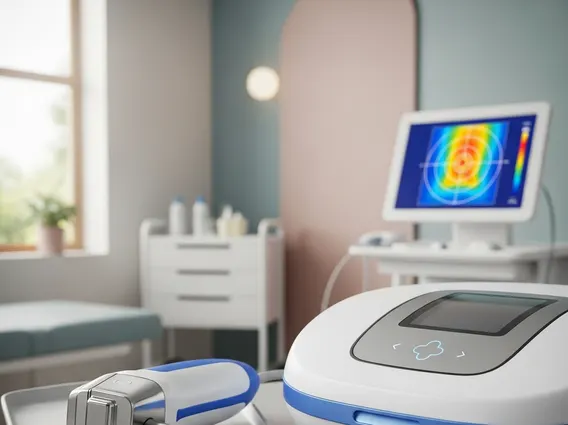
The fundamental principle of how microwave thermotherapy works involves the interaction of microwave electromagnetic fields with water molecules within biological tissues. When microwave energy is delivered via a specialized antenna, it causes polar water molecules to rapidly oscillate and rotate. This molecular friction generates heat, leading to a localized temperature increase within the target tissue.
As the temperature within the tumor reaches therapeutic levels, typically between 50°C and 100°C, it induces irreversible cellular damage. This damage can manifest in several ways:
- Protein Denaturation: Essential cellular proteins lose their structure and function.
- Membrane Disruption: Cell membranes become compromised, leading to leakage and cell death.
- Vascular Occlusion: Blood vessels supplying the tumor are damaged, cutting off oxygen and nutrient supply.
- Apoptosis and Necrosis: Programmed cell death (apoptosis) and uncontrolled cell death (necrosis) are triggered.
The extent of tissue destruction is dependent on the power and duration of microwave energy application, as well as the specific tissue characteristics. The controlled nature of this heating allows clinicians to create a precise zone of ablation, effectively destroying the tumor while preserving adjacent vital structures.
Applications and Benefits
Microwave Thermotherapy uses span a variety of clinical scenarios, primarily in oncology for the treatment of solid tumors. It is particularly effective for lesions in organs such as the liver, lungs, kidneys, and bones. For instance, it is frequently utilized for hepatocellular carcinoma (liver cancer), especially in patients who are not candidates for surgical resection. According to the World Health Organization (WHO), liver cancer is a significant global health burden, and minimally invasive treatments like microwave thermotherapy offer crucial alternatives for managing the disease.
The microwave thermotherapy benefits include its minimally invasive nature, which typically results in shorter hospital stays, reduced post-procedural pain, and faster recovery times compared to open surgery. The ability to precisely target and ablate tumors with high efficacy makes it a valuable tool. Furthermore, microwave thermotherapy can be performed repeatedly if new lesions emerge or if the initial treatment needs supplementation, offering flexibility in long-term cancer management. It can also be combined with other treatments, such as chemotherapy or radiation, to enhance overall therapeutic outcomes.