
Microscopic
Microscopic refers to objects or organisms that are too small to be seen with the naked eye, requiring magnification to be observed. This realm encompasses a vast and diverse array of life forms and structures fundamental to biology and medicine.
Key Takeaways
- Microscopic describes anything invisible without magnification, crucial in medical and scientific fields.
- Specialized tools like light and electron microscopes are essential for visualizing microscopic entities.
- The microscopic world is teeming with diverse organisms such as bacteria, viruses, and protozoa.
- Understanding microscopic structures is vital for diagnosing diseases and advancing scientific knowledge.
- Microscopic analysis provides fundamental insights into cellular processes and pathogen behavior.
What is Microscopic?
Microscopic describes objects or organisms that are too small to be perceived by the unaided human eye. This term is fundamental in various scientific and medical disciplines, referring to the scale at which many biological processes occur and where countless life forms exist. Understanding what is Microscopic is crucial for fields ranging from pathology to microbiology, as it allows for the study of cellular structures, tissues, and pathogens that are otherwise invisible.
The concept of being microscopic means that these entities require optical or electronic magnification to become visible. This scale includes individual cells, bacteria, viruses, and the intricate details of tissues. In a clinical context, examining samples at a microscopic level is often essential for diagnosing diseases, identifying infectious agents, and understanding the progression of various conditions. For instance, pathologists routinely analyze tissue biopsies under a microscope to detect cancerous cells or other abnormalities.
How to See Microscopic Things
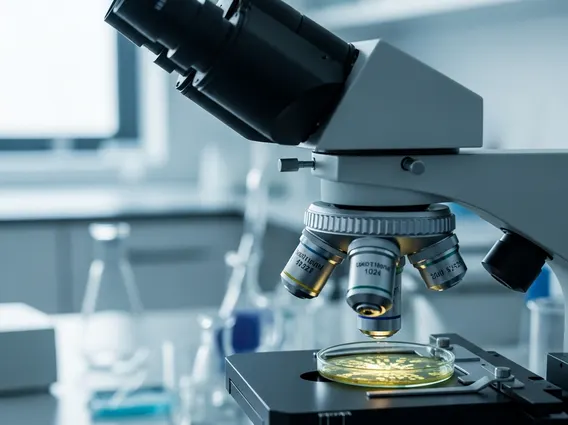
Observing microscopic things requires specialized instruments designed to magnify objects far beyond the limits of human vision. The primary tool for this purpose is the microscope, which comes in various forms, each suited for different types of observation and levels of detail. Learning how to see microscopic things involves understanding these tools and their applications.
The most common type is the light microscope, which uses visible light and a system of lenses to magnify samples. These microscopes can magnify objects hundreds or even thousands of times, allowing for the visualization of cells, bacteria, and some larger viruses. For even greater detail, electron microscopes are employed, using beams of electrons instead of light to achieve much higher magnifications and resolutions.
Here are some common types of microscopes used to observe microscopic entities:
- Compound Light Microscope: Utilizes multiple lenses and visible light to magnify samples, ideal for viewing cells and tissues.
- Stereo Microscope (Dissecting Microscope): Provides a 3D view at lower magnifications, useful for examining larger specimens or performing dissections.
- Electron Microscope (TEM/SEM): Uses electron beams for extremely high magnification and resolution, revealing ultra-structural details of cells and viruses.
- Fluorescence Microscope: Employs fluorescent dyes to highlight specific structures within a sample, often used in molecular biology.
Proper sample preparation, including staining and sectioning, is also critical for enhancing contrast and making specific structures visible under the microscope.
Examples of Microscopic Organisms and Facts
The microscopic world is incredibly diverse, teeming with organisms that play vital roles in ecosystems, human health, and disease. Examples of microscopic organisms include a vast array of life forms, from single-celled bacteria to complex protozoa and fungi. These organisms, along with viruses, represent the foundational elements of life on Earth and are central to many biological processes.
Some key facts about the microscopic world highlight its profound impact:
- Bacteria: These are single-celled prokaryotes found almost everywhere, from soil to the human gut. While many are harmless or beneficial, some cause diseases like strep throat or tuberculosis.
- Viruses: Much smaller than bacteria, viruses are non-living infectious agents that can only replicate inside living host cells. Examples include influenza, HIV, and the common cold virus.
- Protozoa: These are single-celled eukaryotes, often found in water and soil. Some protozoa, like Plasmodium (which causes malaria) or Giardia, are significant human pathogens.
- Fungi: Microscopic fungi, such as yeasts and molds, are crucial decomposers in ecosystems. Some can cause infections in humans, like athlete’s foot or candidiasis.
- Algae: Many types of algae are microscopic, forming the base of aquatic food webs and producing a significant portion of the Earth’s oxygen.
The study of these tiny entities provides invaluable facts about the microscopic world, enabling advancements in medicine, environmental science, and biotechnology. For instance, understanding bacterial resistance to antibiotics or the life cycles of parasitic protozoa is critical for developing effective treatments and public health strategies.



















