Mibg Scan
The MIBG scan is a specialized nuclear medicine imaging test used to detect and monitor certain types of tumors. This diagnostic procedure plays a crucial role in the management of specific neuroendocrine cancers.

Key Takeaways
- An MIBG scan uses a small amount of radioactive metaiodobenzylguanidine to identify specific neuroendocrine tumors.
- It is primarily used for diagnosing and staging neuroblastoma, pheochromocytoma, and paraganglioma.
- The scan involves an injection of the tracer, followed by imaging sessions over one to three days.
- Preparation includes avoiding certain medications and sometimes taking iodine-blocking agents.
- The scan helps determine tumor location, spread, and response to treatment.
What is an MIBG Scan (Metaiodobenzylguanidine) and Its Purpose?
An MIBG scan, which stands for Metaiodobenzylguanidine scan, is a specialized nuclear medicine imaging test. It utilizes a small amount of radioactive metaiodobenzylguanidine, a tracer chemically similar to norepinephrine, a hormone produced by certain nerve cells. This tracer is specifically designed to be absorbed by particular neuroendocrine cells, especially those found in tumors like neuroblastoma, pheochromocytoma, and paraganglioma. By tracking where the radioactive MIBG accumulates in the body, medical professionals can precisely identify the presence and location of these abnormal cells, providing critical diagnostic information.
The primary MIBG scan uses and purpose encompass the diagnosis, staging, and monitoring of specific cancers. For instance, it is highly effective in detecting neuroblastoma, a common childhood cancer that originates from immature nerve cells, as well as pheochromocytoma, a rare tumor of the adrenal glands, and paraganglioma, which are similar tumors that can occur outside the adrenal glands. The scan helps clinicians determine if a tumor is present, whether it has spread to other parts of the body (metastasis), and how well it is responding to ongoing treatment. This detailed information is vital for guiding personalized treatment decisions, assessing the extent of the disease, and evaluating prognosis.
How an MIBG Scan Works and What to Expect
An MIBG scan operates on the principle that certain neuroendocrine cells, including those in specific tumors, possess a unique mechanism for absorbing and storing norepinephrine-like compounds. When the radioactive metaiodobenzylguanidine is introduced into the bloodstream, these cells actively take up the tracer. A specialized imaging device, known as a gamma camera, then detects the gamma rays emitted by the radioactive tracer concentrated in the body. These signals are processed by a computer to create detailed images that highlight areas where the MIBG has accumulated, thereby indicating the presence of tumor cells. The intensity of the uptake can sometimes provide clues about the tumor’s activity.
The mibg scan preparation and procedure typically involve several crucial steps spread over one to three days to ensure accurate results. Patients are often instructed to adhere to specific dietary restrictions and avoid certain medications for a period before the scan, as these can interfere with the tracer’s uptake or distribution. Common medications to avoid include decongestants, tricyclic antidepressants, and some blood pressure medications. To protect the thyroid gland from absorbing the radioactive iodine component of the MIBG tracer, patients are usually given potassium iodide or Lugol’s solution to take orally for a few days before and after the injection.
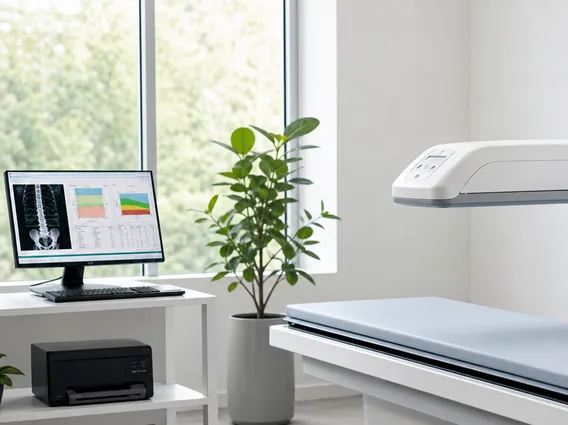
The procedure itself begins with an intravenous injection of the MIBG tracer, usually into a vein in the arm. After the injection, there is a necessary waiting period, typically a few hours to a day, to allow the tracer sufficient time to circulate throughout the body and be absorbed by the target cells. Imaging sessions are then performed, often on the same day as the injection, and sometimes again 24 or 48 hours later to capture optimal images. During imaging, the patient lies still on a comfortable table while the gamma camera moves slowly around their body, capturing images from various angles. The process is generally painless, though patients need to remain still for extended periods during each imaging session, which can last from 30 minutes to an hour.
The results of an MIBG scan are invaluable for several clinical purposes:
- Confirming the diagnosis of neuroblastoma, pheochromocytoma, or paraganglioma.
- Determining the exact location and extent of the tumor, including any metastatic spread.
- Assessing the effectiveness of ongoing cancer treatments by comparing scans over time.
- Identifying potential sites for MIBG therapy, a targeted radiation treatment for certain tumors.
The collected images are then meticulously reviewed by a nuclear medicine physician, who interprets the findings and generates a comprehensive diagnostic report for the referring doctor.