Methemoglobinemia
Methemoglobinemia is a rare blood disorder where hemoglobin, the oxygen-carrying protein in red blood cells, is altered into methemoglobin, a form unable to effectively transport oxygen. This condition can lead to various symptoms due to reduced oxygen delivery to the body’s tissues.
Key Takeaways
- Methemoglobinemia is a blood disorder impairing oxygen transport by hemoglobin.
- Symptoms range from bluish skin discoloration (cyanosis) to severe organ damage.
- It can be inherited (congenital) or acquired from certain drugs or chemicals.
- Diagnosis relies on blood tests, primarily co-oximetry, to measure methemoglobin levels.
- Treatment often involves methylene blue to restore functional hemoglobin.
What is Methemoglobinemia?
Methemoglobinemia is a condition characterized by elevated levels of methemoglobin in red blood cells. Normally, hemoglobin delivers oxygen throughout the body. In methemoglobinemia, the iron in hemoglobin is oxidized, preventing it from binding oxygen. This results in functional anemia, where tissues receive insufficient oxygen. Severity correlates with methemoglobin percentage; levels above 10-20% cause symptoms, and over 50% are life-threatening. Congenital forms are extremely rare, while acquired forms, though more common, remain infrequent (National Organization for Rare Disorders).
Methemoglobinemia Symptoms and Causes
The methemoglobinemia symptoms vary based on methemoglobin concentration. Mild cases present with bluish skin, lips, and nail beds (cyanosis) unresponsive to oxygen. As levels rise, tissue hypoxia leads to more severe symptoms.
Common symptoms include:
- Headache, dizziness, fatigue
- Shortness of breath, nausea
- Rapid heart rate
Severe cases (above 50% methemoglobin) can cause seizures, arrhythmias, metabolic acidosis, coma, and death.
Understanding methemoglobinemia causes is crucial. It can be congenital or acquired.
- Congenital: Usually inherited, often due to a deficiency in the enzyme cytochrome b5 reductase, or rarely, an abnormal hemoglobin variant (hemoglobin M).
- Acquired: More common, triggered by exposure to drugs or chemicals that oxidize hemoglobin. Common culprits include nitrates/nitrites (e.g., in processed foods, well water), local anesthetics (e.g., prilocaine, benzocaine), certain antibiotics (e.g., dapsone), and aniline dyes.
Diagnosing and Treating Methemoglobinemia
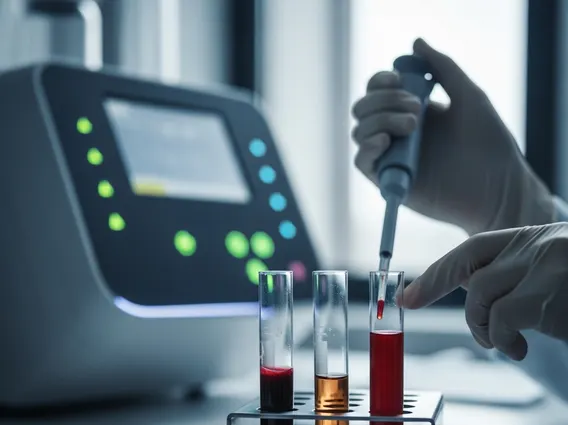
Prompt diagnosing methemoglobinemia is essential. Diagnosis begins with clinical suspicion from symptoms like unexplained cyanosis unresponsive to oxygen. Co-oximetry, which directly measures methemoglobin percentage, is the key diagnostic test. Standard pulse oximetry can be misleading. Blood samples may appear chocolate-brown. Further tests might include enzyme assays or toxicology screens.
The primary goal of methemoglobinemia treatment options is to reduce methemoglobin levels. The most common treatment for symptomatic methemoglobinemia is intravenous methylene blue, which rapidly converts methemoglobin back to functional hemoglobin. However, it is contraindicated in patients with glucose-6-phosphate dehydrogenase (G6PD) deficiency due to the risk of hemolytic anemia.
Other treatment considerations:
- Ascorbic Acid (Vitamin C): A slower-acting alternative for mild, chronic forms or when methylene blue is contraindicated.
- Exchange Transfusion or Hyperbaric Oxygen: Reserved for severe, life-threatening cases unresponsive to methylene blue.
- Supportive Care: Includes supplemental oxygen, vital sign monitoring, and removing the causative agent.