Meningeal
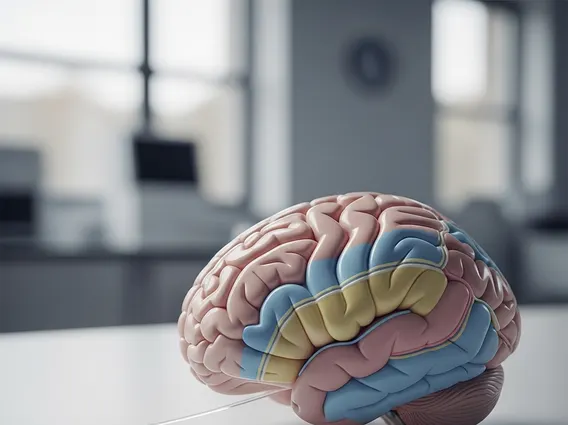
The term Meningeal refers to the meninges, a critical system of protective membranes that encase the brain and spinal cord, forming the central nervous system (CNS). These layers play a vital role in safeguarding these delicate structures from physical trauma and infection.
Key Takeaways
- The meninges are three protective layers surrounding the brain and spinal cord.
- These layers—dura mater, arachnoid mater, and pia mater—provide structural support and cushioning.
- They also help circulate cerebrospinal fluid, which nourishes and protects the CNS.
- Inflammation of the meninges, known as meningitis, can be caused by infections (bacterial, viral, fungal) or non-infectious factors.
- Prompt diagnosis and treatment are crucial for managing meningeal conditions, especially inflammation.
What is Meningeal: Understanding the Protective Layers
The Meningeal system is comprised of three distinct membranes that serve as a robust protective barrier for the central nervous system. These layers are essential for maintaining the integrity and function of the brain and spinal cord, shielding them from external forces and acting as a defense against pathogens. Beyond physical protection, they also create a specialized environment crucial for neuronal health.
Understanding what are meninges involves recognizing their primary role in providing structural support and housing the cerebrospinal fluid (CSF). This fluid circulates within the meningeal layers, offering buoyancy, cushioning, and a medium for nutrient and waste exchange, all critical for the optimal functioning of the CNS.
Meningeal Layers: Anatomy and Essential Functions
The meningeal layers and function are intricately linked, with each layer contributing uniquely to the overall protection of the central nervous system. There are three primary types of meningeal membranes, each with distinct characteristics and roles:
- Dura Mater: This is the outermost and toughest layer, a thick, fibrous membrane that closely adheres to the inner surface of the skull and vertebral canal. Its primary function is to provide strong, durable protection against physical impact and to form venous sinuses that drain blood from the brain.
- Arachnoid Mater: Situated beneath the dura mater, this is a delicate, web-like membrane. It does not closely follow the contours of the brain but creates a space beneath it, known as the subarachnoid space, which is filled with cerebrospinal fluid (CSF). This layer is crucial for the circulation and reabsorption of CSF.
- Pia Mater: The innermost layer, the pia mater, is a very thin and delicate membrane that directly adheres to the surface of the brain and spinal cord, following every gyrus and sulcus. It contains small blood vessels that supply nutrients to the underlying nervous tissue.
Collectively, the meningeal layers and function ensure comprehensive protection. They not only cushion the brain and spinal cord from mechanical shock but also form a barrier that helps regulate the passage of substances into the CNS, maintaining a stable internal environment.
Causes of Meningeal Inflammation
Meningeal inflammation causes are diverse, leading to a condition known as meningitis. This inflammation can be a serious medical emergency, as it directly affects the protective layers surrounding the brain and spinal cord. The most common causes are infectious agents, but non-infectious factors can also play a role.
Infectious causes include:
- Bacterial Meningitis: This is often the most severe form and can be life-threatening. Common bacteria include Streptococcus pneumoniae, Neisseria meningitidis, and Haemophilus influenzae type b. Bacterial meningitis can lead to serious complications such as brain damage, hearing loss, or learning disabilities. According to the World Health Organization (WHO), bacterial meningitis remains a significant public health challenge globally, with an estimated 250,000 deaths annually.
- Viral Meningitis: Generally less severe than bacterial meningitis, it is often caused by enteroviruses, herpes simplex virus, or mumps virus. Most people with viral meningitis recover fully, often without specific treatment.
- Fungal Meningitis: This is less common and typically affects individuals with weakened immune systems, such as those with HIV/AIDS or undergoing immunosuppressive therapy. Examples include cryptococcal meningitis.
Non-infectious meningeal inflammation causes can include certain cancers that spread to the meninges, autoimmune diseases (e.g., lupus), head injuries, or reactions to certain medications. Regardless of the cause, symptoms such as severe headache, fever, and neck stiffness warrant immediate medical attention to ensure prompt diagnosis and appropriate treatment.