Medulloblastoma
Medulloblastoma is a malignant brain tumor that primarily affects children. Understanding this condition is crucial for early detection and effective management.
Key Takeaways
- Medulloblastoma is a fast-growing cancerous brain tumor originating in the cerebellum.
- It is the most common malignant brain tumor in children, often diagnosed before age 10.
- Symptoms can include headaches, nausea, vomiting, and balance issues due to increased intracranial pressure.
- Diagnosis involves imaging (MRI), biopsy, and often cerebrospinal fluid analysis.
- Treatment typically combines surgery, radiation therapy, and chemotherapy, tailored to the patient’s age and tumor characteristics.
What is Medulloblastoma?
Medulloblastoma is a highly malignant (cancerous) primary brain tumor that originates in the cerebellum, the part of the brain responsible for coordination, balance, and motor control. It is the most common malignant brain tumor in children, accounting for approximately 15-20% of all pediatric brain tumors. While it primarily affects children, it can occasionally occur in adults. These tumors are fast-growing and have a tendency to spread to other parts of the brain and spinal cord through the cerebrospinal fluid (CSF). According to the American Brain Tumor Association, medulloblastoma is most frequently diagnosed in children between the ages of 5 and 9.
Medulloblastoma Symptoms, Diagnosis, and Causes in Children
Recognizing Medulloblastoma symptoms and diagnosis early is vital for improving outcomes. Symptoms often arise from increased pressure within the skull (intracranial pressure) or disruption of cerebellar function. Because these tumors grow rapidly, symptoms can develop quickly.
Common symptoms in children may include:
- Persistent headaches, often worse in the morning
- Nausea and vomiting, especially morning vomiting without apparent cause
- Balance problems or unsteadiness when walking
- Dizziness or vertigo
- Vision changes, such as double vision or nystagmus (involuntary eye movements)
- Lethargy or unusual tiredness
- Changes in personality or irritability
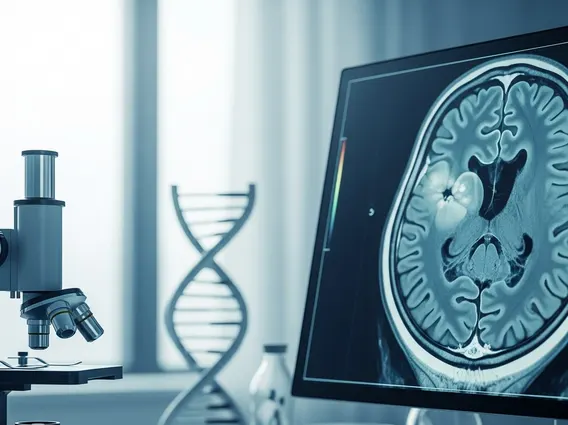
Diagnosis typically begins with a neurological examination, followed by imaging studies. Magnetic resonance imaging (MRI) of the brain and spine is the primary diagnostic tool, providing detailed images of the tumor’s size, location, and spread. A biopsy, where a small tissue sample is surgically removed, is essential to confirm the diagnosis and determine the specific type of medulloblastoma. Further tests, such as a lumbar puncture (spinal tap) to analyze cerebrospinal fluid, are performed to check for tumor cells that may have spread to the spinal fluid.
The exact causes of medulloblastoma in children are not fully understood. Most cases occur sporadically, meaning they are not inherited and do not have a clear genetic link. However, a small percentage of medulloblastomas are associated with certain genetic syndromes, such as Gorlin syndrome (also known as Nevoid Basal Cell Carcinoma Syndrome) or Turcot syndrome. Researchers continue to investigate genetic and environmental factors that might contribute to the development of these tumors.
Medulloblastoma Treatment Options
A multidisciplinary approach is crucial for determining the most effective Medulloblastoma treatment options. Treatment plans are highly individualized, considering factors such as the child’s age, the tumor’s molecular characteristics, its location, and whether it has spread. The primary goal is to remove as much of the tumor as safely possible and then eliminate any remaining cancer cells.
Typical treatment strategies involve a combination of:
- Surgery: This is usually the first step, aiming for maximal safe resection (removal) of the tumor. The extent of surgical removal is a significant prognostic factor.
- Radiation Therapy: Following surgery, radiation therapy is often used to target any residual tumor cells and prevent recurrence. The specific type and dosage of radiation are carefully planned, especially in young children, to minimize long-term side effects on developing brains.
- Chemotherapy: Chemotherapy drugs are administered to kill cancer cells throughout the body and are particularly important for treating any spread of the tumor. It is often given after radiation therapy and can last for several months to a year.
Clinical trials may also be an option, offering access to new and experimental therapies. Long-term follow-up care is essential to monitor for recurrence and manage any treatment-related side effects, ensuring the best possible quality of life for survivors.