Mature Teratoma
A mature teratoma is a type of germ cell tumor characterized by the presence of well-differentiated tissues derived from multiple embryonic germ layers. While often benign, understanding its nature, symptoms, and treatment is crucial for effective management.
Key Takeaways
- Mature teratomas are benign germ cell tumors containing various mature tissues, such as skin, hair, teeth, or bone.
- They most commonly occur in the ovaries (known as dermoid cysts) but can also be found in the testes, sacrococcygeal region, or other areas.
- Symptoms often depend on the tumor’s size and location, ranging from asymptomatic to abdominal pain or a palpable mass.
- Diagnosis primarily relies on imaging techniques like ultrasound, CT, or MRI.
- Treatment typically involves surgical removal, which is usually curative, leading to an excellent prognosis.
What is Mature Teratoma?
A Mature Teratoma refers to a type of tumor that originates from germ cells, which are cells with the potential to develop into any type of tissue in the body. These tumors are unique because they contain various mature tissues, such as skin, hair, teeth, cartilage, bone, and even thyroid tissue, reflecting their origin from all three embryonic germ layers (ectoderm, mesoderm, and endoderm). Despite their complex composition, mature teratomas are overwhelmingly benign (non-cancerous) and are the most common type of germ cell tumor.
While mature teratomas can occur anywhere in the body where germ cells are present, they are most frequently found in the ovaries, where they are often referred to as dermoid cysts. Other common locations include the testes, the sacrococcygeal region (at the base of the spine), and less commonly, the mediastinum (the area between the lungs) or the brain. These tumors grow slowly and are typically discovered incidentally during imaging for other conditions or when they cause symptoms due to their size or location. According to various medical literature, mature cystic teratomas are the most common benign ovarian neoplasms, accounting for 10-20% of all ovarian tumors.
Mature Teratoma: Symptoms and Diagnosis
The presence of a mature teratoma symptoms diagnosis often varies significantly depending on the tumor’s size, location, and whether it causes any complications. Many individuals with mature teratomas, particularly smaller ones, may experience no symptoms at all, with the tumor being discovered incidentally during routine examinations or imaging for unrelated issues. When symptoms do occur, they are typically related to the mass effect of the tumor or its complications.
Common symptoms may include:
- Abdominal pain or discomfort, which can be dull, aching, or sharp if torsion occurs.
- A palpable mass or swelling in the affected area, such as the abdomen or groin.
- Changes in bowel or bladder habits if the tumor presses on these organs.
- In ovarian teratomas, complications like ovarian torsion (twisting of the ovary), rupture, or infection can lead to acute, severe pain.
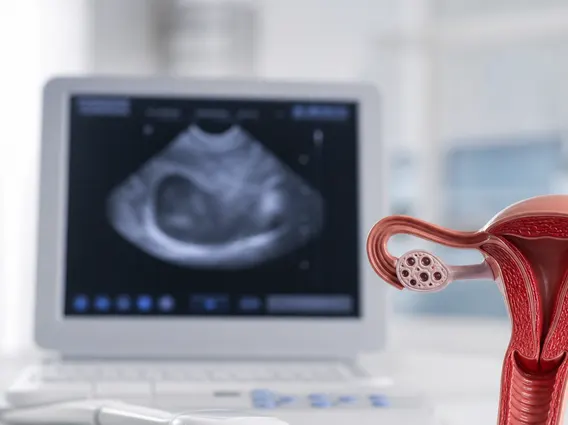
Diagnosis primarily relies on imaging studies. An ultrasound is often the first-line diagnostic tool, especially for ovarian teratomas, as it can clearly show the characteristic features of a dermoid cyst (e.g., fluid, fat, calcifications like teeth). Computed tomography (CT) scans or magnetic resonance imaging (MRI) may be used for more detailed evaluation, particularly for larger or unusually located tumors, to confirm the diagnosis and assess the extent of the mass. Blood tests, including tumor markers, are generally not specific for mature teratomas but may be performed to rule out other types of tumors.
Treatment and Prognosis for Mature Teratoma
The primary treatment for mature teratoma is surgical removal. Given that these tumors are almost always benign, the goal of surgery is to completely excise the tumor while preserving as much healthy tissue as possible, especially in reproductive organs. For ovarian teratomas, this often involves a cystectomy (removal of the cyst only) to preserve the ovary, particularly in younger patients. In some cases, if the ovary is severely damaged or the tumor is very large, an oophorectomy (removal of the entire ovary) may be necessary. For teratomas in other locations, the surgical approach is tailored to the specific site and size of the tumor.
Following successful surgical removal, the mature teratoma prognosis is generally excellent. Most patients experience a complete recovery with no recurrence. Regular follow-up appointments may be recommended to monitor for any signs of recurrence, though this is rare for mature teratomas. While mature teratomas are benign, a very small percentage can undergo malignant transformation, meaning the mature tissues within the tumor can develop into cancer. This is an uncommon complication, but it underscores the importance of complete surgical removal and pathological examination of the excised tissue to confirm its benign nature and rule out any malignant components.