Mammary Gland
The mammary gland is a vital exocrine gland found in mammals, primarily responsible for producing milk to nourish offspring. Understanding its structure, function, and common conditions is crucial for health awareness.
Key Takeaways
- The Mammary Gland is a specialized exocrine gland in mammals, essential for milk production.
- Its intricate anatomy includes lobes, lobules, ducts, and adipose tissue, all contributing to its function.
- The gland undergoes significant developmental changes throughout life, influenced by hormones during puberty, pregnancy, and lactation.
- The primary mammary gland function and purpose is lactation, providing vital nutrients and antibodies to newborns.
- Various benign and malignant conditions can affect the mammary gland, necessitating regular medical evaluation.
What is the Mammary Gland?
The Mammary Gland is a complex exocrine gland characteristic of mammals, designed for the synthesis and secretion of milk. This milk serves as the sole source of nutrition for newborns in most mammalian species during their early developmental stages. In humans, these glands are located on the anterior chest wall, typically overlying the pectoralis major muscle, and are present in both males and females, though they are usually rudimentary in males.
Biologically, the mammary gland is a modified sweat gland, evolving to fulfill a critical reproductive role. Its development and function are intricately regulated by a complex interplay of hormones, responding to various physiological states such as puberty, pregnancy, and lactation. This adaptability ensures the gland can meet the nutritional demands of offspring when needed.
Human Mammary Gland: Anatomy, Function, and Development
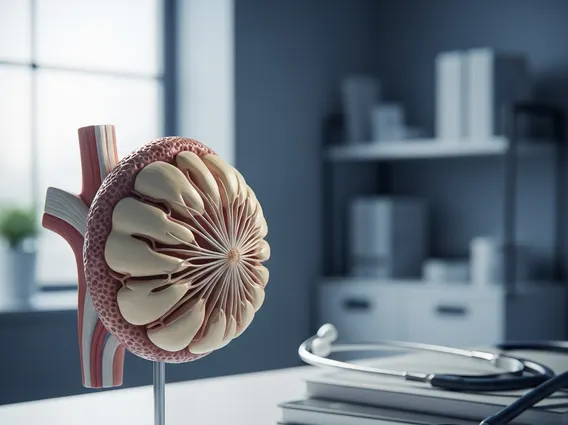
The human mammary gland anatomy is complex, designed to facilitate milk production and delivery. Each gland consists of 15 to 20 lobes, which are further divided into smaller lobules. Within these lobules are alveoli, tiny sac-like structures lined with milk-producing cells (lactocytes). Milk produced in the alveoli travels through a network of lactiferous ducts, which converge and open at the nipple. The nipple is surrounded by the areola, a pigmented area containing sebaceous glands that provide lubrication during breastfeeding. Adipose tissue (fat) and connective tissue provide support and shape to the gland.
The primary mammary gland function and purpose is lactation, the process of producing and secreting milk. This process is hormonally driven; during pregnancy, hormones like estrogen and progesterone stimulate the growth of the ductal system and alveoli. After childbirth, a decrease in progesterone and estrogen, coupled with high levels of prolactin, initiates milk synthesis. Oxytocin is responsible for the milk ejection reflex, or “let-down,” which releases milk from the alveoli into the ducts. Beyond nutrition, breast milk provides antibodies and immune cells, offering crucial protection against infections for the infant.
The mammary gland development stages are a continuous process throughout a female’s life:
- Embryonic Development: Mammary glands begin to form in the embryo from specialized ectodermal tissue.
- Puberty: Under the influence of estrogen, the glands undergo significant growth, a process known as thelarche, involving ductal elongation and branching, and fat deposition.
- Pregnancy: High levels of estrogen, progesterone, and prolactin stimulate extensive proliferation of glandular tissue, preparing the breast for milk production.
- Lactation: Following childbirth, hormonal shifts enable full milk synthesis and secretion, sustained by suckling.
- Involution: After weaning, the gland undergoes regression, with milk-producing cells decreasing and adipose tissue increasing.
Common Mammary Gland Conditions
A variety of common mammary gland conditions can affect individuals, ranging from benign (non-cancerous) to malignant (cancerous). Benign conditions are quite prevalent and often include fibrocystic changes, which involve lumpiness, pain, and tenderness due to cysts and fibrous tissue. Other benign conditions include fibroadenomas, which are solid, non-cancerous lumps, and mastitis, an inflammation of the breast tissue often occurring during breastfeeding.
The most significant malignant condition affecting the mammary gland is breast cancer. It is one of the most common cancers among women globally and can also affect men, though less frequently. Early detection through regular screenings, such as mammograms, and self-examinations is crucial for successful treatment outcomes. Symptoms can include new lumps, changes in breast size or shape, skin dimpling, nipple discharge, or inverted nipples. Prompt medical evaluation is essential for any concerning changes in the mammary gland.