Malabsorption Syndrome
Malabsorption Syndrome is a complex condition where the small intestine is unable to absorb enough nutrients from food. This can lead to various health issues due to nutritional deficiencies.
Key Takeaways
- Malabsorption Syndrome occurs when the digestive system fails to absorb essential nutrients.
- Common symptoms include chronic diarrhea, weight loss, and fatigue.
- Causes range from specific diseases like celiac disease to infections and surgical interventions.
- Diagnosis involves a combination of physical examination, lab tests, and imaging studies.
- Effective management focuses on treating the underlying cause and nutritional support.
What is Malabsorption Syndrome?
Malabsorption Syndrome refers to a group of disorders in which the small intestine cannot properly absorb nutrients from food, such as carbohydrates, fats, proteins, vitamins, and minerals. This impairment can result from damage to the intestinal lining, issues with digestive enzymes, or problems with bile production. When the body fails to absorb these vital components, it can lead to a range of health problems, from mild discomfort to severe malnutrition and organ dysfunction.
Understanding what is Malabsorption Syndrome is crucial because proper nutrient absorption is fundamental for energy production, growth, immune function, and overall bodily maintenance. Without adequate absorption, the body’s systems can become compromised, impacting daily life and long-term health. The condition can affect individuals of all ages, presenting with varying degrees of severity depending on the specific cause and the extent of nutrient malabsorption.
Common Symptoms and Causes of Malabsorption Syndrome
Recognizing malabsorption syndrome symptoms is often the first step toward diagnosis. These symptoms can vary widely depending on which nutrients are not being absorbed and the underlying cause. Common indicators often include chronic diarrhea, which may be fatty (steatorrhea) and foul-smelling, unexplained weight loss despite adequate food intake, and abdominal bloating or discomfort. Other signs can include fatigue, weakness, muscle wasting, and specific deficiencies like anemia (due to iron or B12 malabsorption), bone pain (from calcium and vitamin D deficiency), or easy bruising (due to vitamin K deficiency).
The causes of malabsorption syndrome are diverse and can involve various parts of the digestive system. Some common causes include:
- Celiac Disease: An autoimmune disorder where gluten consumption damages the small intestine lining.
- Crohn’s Disease: A type of inflammatory bowel disease that can affect any part of the digestive tract, leading to inflammation and impaired absorption.
- Pancreatic Insufficiency: Conditions like chronic pancreatitis or cystic fibrosis that prevent the pancreas from producing enough digestive enzymes.
- Lactose Intolerance: The inability to digest lactose, a sugar found in milk, due to a deficiency of the lactase enzyme.
- Bacterial Overgrowth: An excessive amount of bacteria in the small intestine that can interfere with nutrient absorption.
- Surgical Procedures: Operations that remove parts of the small intestine or stomach, such as bariatric surgery.
- Infections: Certain parasitic or bacterial infections that damage the intestinal lining.
Identifying the specific cause is essential for effective treatment, as management strategies are tailored to address the root problem.
Diagnosing Malabsorption Syndrome
The process of diagnosing malabsorption syndrome typically involves a comprehensive approach, combining a review of medical history, physical examination, and various diagnostic tests. Initially, a healthcare provider will inquire about symptoms, dietary habits, and any existing medical conditions. A physical exam may reveal signs of malnutrition, such as muscle wasting or skin changes.
To pinpoint the exact cause and extent of malabsorption, several tests may be ordered:
| Test Type | Purpose |
|---|---|
| Stool Tests | To check for fat content (indicating fat malabsorption), undigested food particles, or signs of infection. |
| Blood Tests | To assess levels of vitamins (e.g., A, D, E, K, B12), minerals (e.g., iron, calcium), protein, and liver function. Specific antibody tests can identify conditions like celiac disease. |
| Breath Tests | Used to diagnose lactose intolerance or small intestinal bacterial overgrowth (SIBO). |
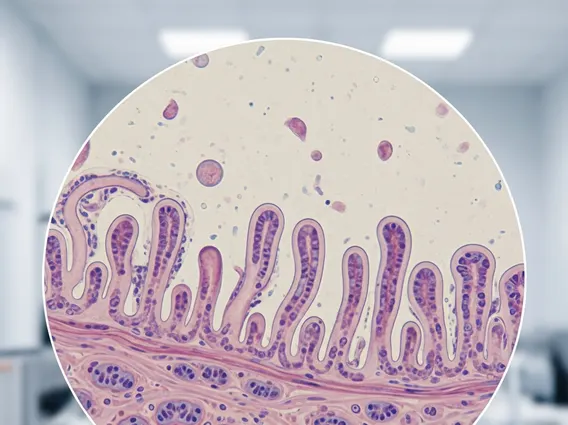
| Endoscopy with Biopsy | A procedure where a thin, flexible tube with a camera is inserted to visualize the small intestine and collect tissue samples for microscopic examination, revealing damage to the intestinal lining. |
| Imaging Studies | Such as CT scans or MRI, to look for structural abnormalities or inflammation in the digestive tract. |
Once a diagnosis is confirmed, treatment focuses on addressing the underlying condition, supplementing deficient nutrients, and managing symptoms to improve the patient’s quality of life and prevent long-term complications.