Nuclear Medicine Scan
A Nuclear Medicine Scan is a specialized diagnostic imaging technique that provides unique insights into how organs and tissues are functioning within the body. Unlike traditional imaging methods that show anatomy, these scans reveal physiological processes, aiding in the early detection and precise management of various medical conditions.
Key Takeaways
- A Nuclear Medicine Scan uses small amounts of radioactive material (radiotracers) to visualize organ and tissue function.
- These scans help diagnose a wide range of conditions, including heart disease, cancer, and neurological disorders, by assessing metabolic activity and blood flow.
- The procedure involves administering a radiotracer, which emits gamma rays detected by a special camera to create detailed images.
- Preparation often requires specific instructions, such as fasting or adjusting medications, depending on the type of scan.
- Nuclear medicine offers functional information that complements structural imaging, leading to more comprehensive diagnoses.
What is a Nuclear Medicine Scan?
A Nuclear Medicine Scan is a non-invasive medical imaging procedure that uses small, safe amounts of radioactive materials, known as radiotracers, to diagnose and assess various diseases. These radiotracers are introduced into the body, typically through injection, ingestion, or inhalation, and travel to specific organs, bones, or tissues. Unlike X-rays, CT scans, or MRI, which primarily show anatomical structures, nuclear medicine scans focus on visualizing the physiological function and metabolic activity of the body’s systems. This functional information can often detect abnormalities at an earlier stage than structural imaging alone, making it a powerful tool in modern medicine.
The type of radiotracer used depends on the specific organ or condition being evaluated. For example, different tracers are employed to examine the heart, brain, bones, kidneys, or thyroid gland. The ability of these tracers to concentrate in specific areas allows medical professionals to observe how well organs are working, identify areas of disease, or monitor the effectiveness of treatment.
How Nuclear Medicine Scans Work: Purpose and Procedure
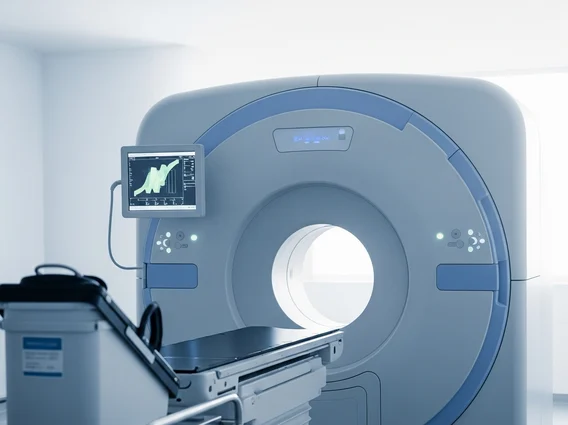
Nuclear medicine scans operate on the principle of detecting gamma rays emitted by radiotracers within the body. Once administered, the radiotracer travels through the bloodstream and accumulates in the target area. As the radioactive material decays, it releases gamma rays, which are then detected by a specialized camera, often called a gamma camera or SPECT (Single-Photon Emission Computed Tomography) scanner. A computer processes these signals to create detailed 2D or 3D images that illustrate the function of the organs or tissues.
The primary purpose of nuclear medicine imaging is to evaluate metabolic activity, blood flow, and organ function, which helps in diagnosing and staging various diseases. For instance, these scans can identify early signs of heart disease by showing blood flow to the heart muscle, detect the spread of cancer, assess bone fractures, or evaluate thyroid function. According to the Society of Nuclear Medicine and Molecular Imaging (SNMMI), over 20 million nuclear medicine procedures are performed annually in the United States, highlighting their critical role in patient care.
The procedure typically involves several steps: first, the radiotracer is administered. There is often a waiting period, ranging from minutes to several hours, to allow the tracer to distribute throughout the body and accumulate in the target area. Finally, the patient lies still on an examination table while the gamma camera moves around the body, capturing images. The duration of the scan itself can vary, usually from 20 minutes to an hour, depending on the specific study.
Preparing for a Nuclear Medicine Scan
Proper Nuclear medicine scan preparation is crucial for ensuring accurate results and a smooth procedure. The specific instructions can vary significantly based on the type of scan being performed and the radiotracer used. It is essential for patients to carefully follow all guidelines provided by their healthcare team.
General preparation steps often include:
- Medication Review: Inform your doctor about all medications you are taking, including over-the-counter drugs, supplements, and herbal remedies, as some may need to be temporarily stopped.
- Allergies and Conditions: Disclose any allergies, especially to iodine or other contrast agents, and inform staff if you are pregnant, breastfeeding, or have any kidney problems.
- Dietary Restrictions: Many scans require fasting for a certain period (e.g., 4-12 hours) before the procedure. Others may require specific dietary modifications.
- Hydration: You might be asked to drink plenty of water before or after the scan, especially for kidney or bladder studies, to help clear the radiotracer from your system.
- Clothing: Wear comfortable, loose-fitting clothing and avoid jewelry or clothing with metal components, as these can interfere with imaging.
- Arrival Time: Arrive on time for your appointment to allow for necessary paperwork and preparation.
Always clarify any questions or concerns with your healthcare provider before your scan to ensure you are fully prepared and understand the process.