Small Intestine Cancer
Small intestine cancer is a rare form of malignancy that originates in the tissues of the small intestine, the long, coiled tube that connects the stomach to the large intestine. Despite its crucial role in digestion and nutrient absorption, the small intestine is an uncommon site for cancer development compared to other parts of the gastrointestinal tract.
Key Takeaways
- Small intestine cancer is a rare malignancy affecting the small bowel, responsible for digestion and nutrient absorption.
- Symptoms can be vague, including abdominal pain, weight loss, and bleeding, making early diagnosis challenging.
- Risk factors include certain genetic syndromes, inflammatory bowel diseases, and lifestyle choices.
- Treatment typically involves surgery, often combined with chemotherapy, radiation, or targeted therapies.
- Prognosis varies significantly depending on the cancer type, stage at diagnosis, and overall patient health.
What is Small Intestine Cancer?
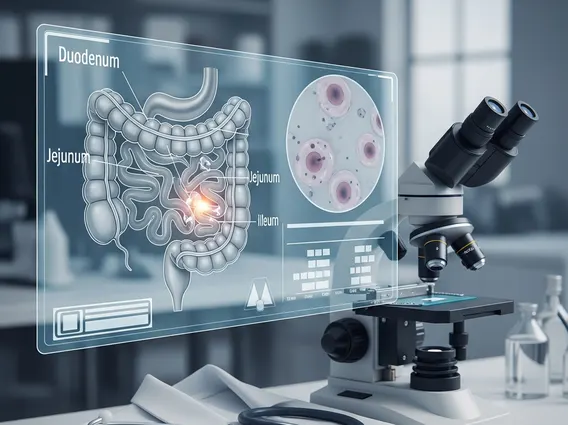
Small Intestine Cancer refers to the uncontrolled growth of abnormal cells within the small bowel. This segment of the digestive system, also known as the small bowel, is divided into three parts: the duodenum, jejunum, and ileum. While cancers of the colon and stomach are relatively common, small intestine cancer accounts for less than 3% of all gastrointestinal cancers, making it a rare diagnosis. (Source: American Cancer Society).
Several types of cancer can develop in the small intestine, each with distinct characteristics and behaviors. The most common types include:
- Adenocarcinoma: Originating in the glandular cells lining the small intestine, this is the most frequent type, often found in the duodenum.
- Carcinoid Tumors: These are neuroendocrine tumors that can develop anywhere in the gastrointestinal tract, including the small intestine, and tend to grow slowly.
- Lymphoma: A cancer of the immune system cells (lymphocytes) that can sometimes begin in the small intestine.
- Sarcoma: Rare cancers that develop in the connective tissues, such as muscle or blood vessels, within the small intestine wall. Gastrointestinal stromal tumors (GISTs) are a common type of sarcoma found here.
Recognizing Small Intestine Cancer: Symptoms and Causes
Recognizing small intestine cancer symptoms can be challenging as they are often non-specific and can mimic other, less serious conditions. These symptoms tend to appear as the tumor grows and begins to obstruct the bowel or cause bleeding. Common indicators may include chronic abdominal pain or cramping, unexplained weight loss, nausea, vomiting, and fatigue due to anemia caused by internal bleeding. In some cases, a palpable mass may be felt in the abdomen.
The exact causes of small intestine cancer are not fully understood, but several risk factors have been identified that can increase an individual’s likelihood of developing the disease. These include certain genetic syndromes, inflammatory conditions, and lifestyle factors:
- Genetic Syndromes: Conditions like Familial Adenomatous Polyposis (FAP), Lynch syndrome (hereditary non-polyposis colorectal cancer), and Peutz-Jeghers syndrome significantly elevate risk.
- Inflammatory Bowel Diseases: Chronic inflammation from conditions such as Crohn’s disease can increase the risk, particularly in the ileum.
- Celiac Disease: Individuals with celiac disease, especially if not well-managed, have a higher risk of developing certain types of small intestine lymphoma.
- Diet and Lifestyle: A diet high in red and processed meats, smoking, and heavy alcohol consumption may contribute to an increased risk, though research is ongoing.
Treatment Approaches and Outlook
The approach to managing small intestine cancer treatment options is highly individualized, depending on the type of cancer, its stage, location, and the patient’s overall health. Surgery is often the primary treatment, aiming to remove the tumor and any affected lymph nodes. This may involve resecting a portion of the small intestine and reconnecting the healthy ends.
Beyond surgery, other treatments may be employed:
| Treatment Type | Description |
|---|---|
| Chemotherapy | Uses drugs to kill cancer cells, often administered intravenously or orally. |
| Radiation Therapy | Uses high-energy X-rays or other types of radiation to destroy cancer cells or shrink tumors. |
| Targeted Therapy | Drugs that specifically target certain genes or proteins involved in cancer growth, minimizing harm to healthy cells. |
| Immunotherapy | Helps the body’s immune system fight cancer, particularly effective for certain types of small intestine cancer. |
The small intestine cancer prognosis varies significantly among individuals. Factors influencing the outlook include the specific type of cancer (e.g., carcinoid tumors generally have a better prognosis than adenocarcinoma), the stage at which it is diagnosed, whether the cancer has spread to lymph nodes or distant organs, and the patient’s overall health and response to treatment. Early detection and comprehensive, multidisciplinary care are crucial for improving outcomes.