Sleeve Lobectomy
Sleeve Lobectomy is a highly specialized surgical procedure used to treat certain lung conditions, primarily lung cancer. It involves the removal of a lung lobe along with a segment of the main airway (bronchus), followed by the rejoining of the remaining airway sections.
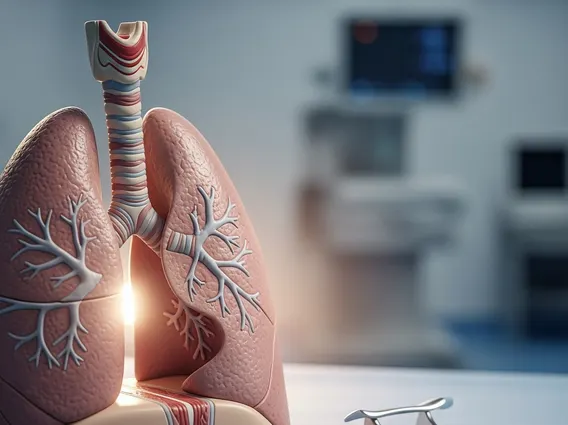
Key Takeaways
- Sleeve Lobectomy is a complex lung surgery that removes a cancerous lobe and a portion of the bronchus.
- Its primary goal is to preserve as much healthy lung tissue as possible, offering an alternative to more extensive resections like pneumonectomy.
- The procedure involves carefully resecting and then reconnecting the bronchial tubes to restore airway continuity.
- Recovery typically involves a hospital stay, pain management, and a gradual return to normal activities.
- Success rates are generally high for carefully selected patients, often leading to better quality of life compared to full lung removal.
What is Sleeve Lobectomy?
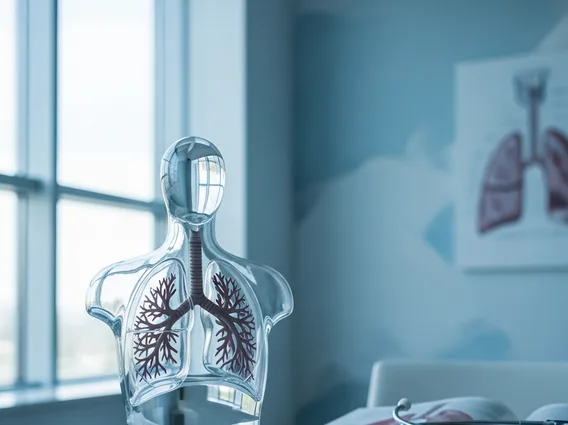
Sleeve Lobectomy is a sophisticated surgical technique primarily employed in the treatment of lung cancer, particularly when a tumor is located in a main bronchus or extends into it. Unlike a standard lobectomy, which removes only a lung lobe, a sleeve lobectomy also involves the resection of a segment of the main bronchus (airway) that supplies the affected lobe. After the cancerous section of the bronchus and the lobe are removed, the two healthy ends of the bronchus are reconnected, forming a “sleeve” anastomosis. This approach is crucial for preserving more healthy lung tissue than a pneumonectomy (removal of an entire lung), thereby maintaining better lung function and quality of life for the patient.
This procedure is often considered for patients whose tumors are centrally located, making a standard lobectomy insufficient but a pneumonectomy potentially too debilitating. By preserving the remaining lung tissue, sleeve lobectomy aims to achieve complete tumor removal while minimizing the impact on respiratory capacity, making it a vital option in thoracic oncology.
Sleeve Lobectomy Procedure Explained
The **sleeve lobectomy procedure explained** involves several intricate steps performed by highly skilled thoracic surgeons. The surgery typically begins with an incision, often a thoracotomy, to access the chest cavity. The affected lung lobe is identified, and the tumor’s extent within the bronchus is carefully assessed. The surgeon then meticulously dissects the blood vessels and the bronchus supplying the cancerous lobe. Both the diseased lung lobe and the segment of the bronchus containing the tumor are removed.
Following the resection, the critical step of bronchial anastomosis occurs. The remaining healthy ends of the main bronchus are carefully brought together and sutured to restore the continuity of the airway. This reconnection requires precision to ensure a tight, leak-free seal and proper airflow. Lymph nodes in the chest are also typically removed during the procedure to check for cancer spread. The complexity of this surgery underscores the need for experienced surgical teams and advanced medical facilities.
Sleeve Lobectomy Recovery and Success Rates
The **sleeve lobectomy recovery time** varies among individuals but generally involves a hospital stay of about 5 to 10 days, followed by several weeks or months of recuperation at home. Immediately after surgery, patients are closely monitored for pain management, respiratory function, and potential complications such as air leaks or infection. Physical therapy, including breathing exercises, is a crucial component of recovery to help restore lung capacity and mobility. Patients are gradually encouraged to increase their activity levels, with a full return to normal activities often taking 2 to 3 months.
The **sleeve lobectomy success rate** is generally high for carefully selected patients, with favorable long-term oncological outcomes often comparable to those achieved with pneumonectomy, but with the significant advantage of preserving more lung function. Studies indicate that for appropriate candidates, this procedure offers an excellent balance between effective cancer treatment and maintaining a better quality of life post-surgery. Patient selection, tumor characteristics, and the expertise of the surgical team are key factors influencing the overall success and prognosis. According to the American Cancer Society, early detection and appropriate surgical intervention, such as sleeve lobectomy, significantly improve survival rates for lung cancer patients.
Key aspects of recovery include:
- Pain Management: Administered through various methods to ensure comfort.
- Respiratory Therapy: Exercises to improve lung expansion and prevent complications.
- Mobility: Early ambulation is encouraged to prevent blood clots and aid recovery.
- Follow-up Care: Regular appointments to monitor healing and cancer recurrence.