Simple Nephrectomy
Simple nephrectomy is a surgical procedure involving the removal of a kidney, typically performed to address non-cancerous conditions or for kidney donation. This article provides a comprehensive overview of the procedure, its recovery, and how it differs from a radical nephrectomy.
Key Takeaways
- Simple Nephrectomy is the surgical removal of a kidney, primarily for benign conditions or organ donation.
- The procedure can be performed via open surgery or minimally invasive laparoscopic techniques.
- Recovery time varies but generally involves a hospital stay of a few days and several weeks for full recuperation.
- It differs from radical nephrectomy, which involves removing the kidney along with surrounding tissues and lymph nodes, usually for cancer.
What is Simple Nephrectomy?
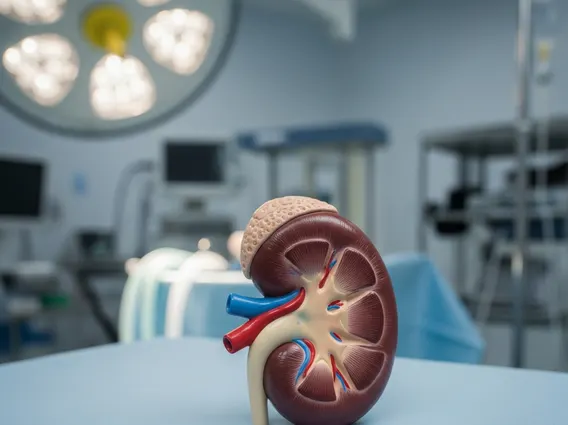
Simple Nephrectomy refers to the surgical removal of one kidney. This procedure is typically performed when a kidney is severely damaged, diseased, or non-functional due to non-cancerous conditions. Common reasons for a simple nephrectomy include severe kidney infection, trauma, hydronephrosis (swelling of a kidney due to urine backup), polycystic kidney disease, or as part of a living donor kidney transplant where a healthy kidney is removed for transplantation into a recipient. The goal is to remove the problematic kidney while preserving the patient’s overall health and the function of the remaining kidney.
Simple Nephrectomy Procedure and Recovery
The simple nephrectomy procedure explained involves accessing the kidney and carefully detaching it from its blood supply and ureter before removal. There are two primary approaches to performing a simple nephrectomy:
- Open Nephrectomy: This traditional method involves a single incision, typically on the side or front of the abdomen, to directly access and remove the kidney. It is often chosen for larger kidneys, complex cases, or when laparoscopic surgery is not feasible.
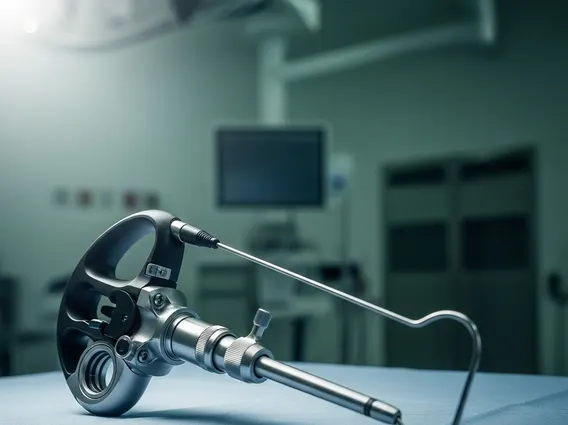
- Laparoscopic Nephrectomy: A minimally invasive approach that uses several small incisions through which a camera and specialized surgical instruments are inserted. The kidney is then dissected and removed through one of these small incisions, sometimes enlarged slightly. This method generally results in less pain, shorter hospital stays, and quicker recovery compared to open surgery.
The simple nephrectomy recovery time varies depending on the surgical approach, the patient’s overall health, and any complications. Patients typically spend 2-4 days in the hospital after laparoscopic surgery and 4-7 days after open surgery. Full recovery, including the ability to return to normal activities, can take anywhere from 4 to 8 weeks. Post-operative care often includes pain management, monitoring for infection, and gradual resumption of physical activity. According to the National Kidney Foundation, most individuals live healthy lives with one kidney, with the remaining kidney often compensating for the removed one.
Simple vs. Radical Nephrectomy
Understanding the distinction between simple nephrectomy vs radical nephrectomy is crucial, as they serve different primary purposes. While both involve kidney removal, the extent of the tissue removed differs significantly. Simple nephrectomy focuses solely on removing the diseased or donated kidney, leaving surrounding structures intact. In contrast, a radical nephrectomy is a more extensive procedure typically performed for kidney cancer.
A radical nephrectomy involves removing the entire kidney, along with a section of the ureter, the adrenal gland (which sits atop the kidney), and the surrounding fatty tissue and lymph nodes. This broader removal is intended to ensure all cancerous cells are excised, reducing the risk of recurrence. The choice between a simple and radical nephrectomy is determined by the underlying condition, with simple nephrectomy reserved for benign conditions or donation, and radical nephrectomy for malignant tumors.
| Feature | Simple Nephrectomy | Radical Nephrectomy |
|---|---|---|
| Primary Indication | Benign conditions (e.g., severe infection, trauma, hydronephrosis, donation) | Kidney cancer |
| Extent of Removal | Kidney only | Kidney, adrenal gland, surrounding fatty tissue, lymph nodes, part of ureter |
| Surgical Goal | Remove diseased/non-functional kidney or procure a donor kidney | Remove cancerous tissue to prevent spread |
| Recovery | Generally shorter and less complex | Potentially longer and more complex due to extensive removal |