Sigmoidoscope
A sigmoidoscope is a crucial medical instrument used to examine the lower part of the large intestine. This procedure, known as sigmoidoscopy, plays a vital role in diagnosing various conditions affecting the rectum and sigmoid colon.
Key Takeaways
- A sigmoidoscope is a flexible, lighted tube used to visualize the rectum and sigmoid colon.
- Sigmoidoscopy is a diagnostic and screening procedure for conditions like polyps, inflammation, and early signs of colorectal cancer.
- The procedure involves inserting the scope through the anus to examine the lining of the lower colon.
- Preparation typically includes dietary adjustments and bowel cleansing, often with an enema or laxative.
- Regular screening with procedures like sigmoidoscopy is essential for early detection and prevention of colorectal cancer.
What is a Sigmoidoscope?
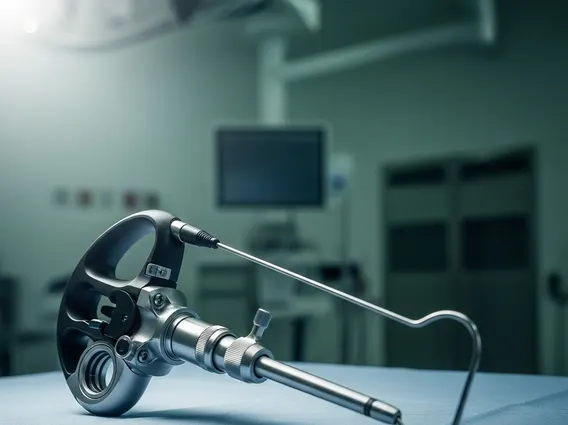
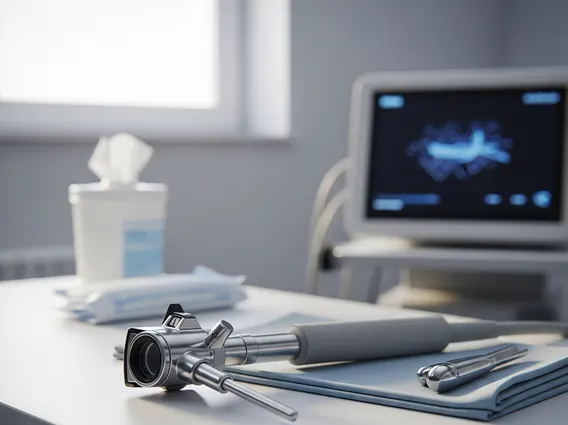
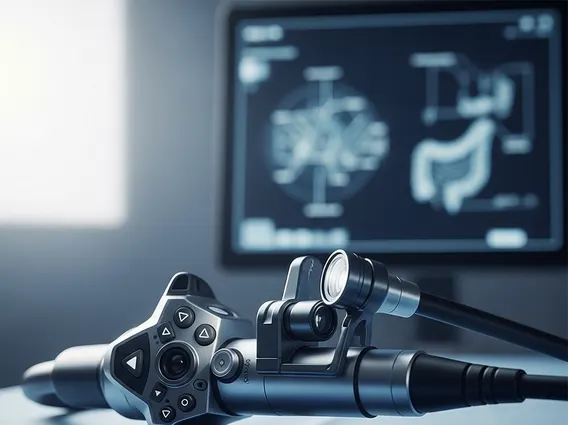
A Sigmoidoscope is a slender, flexible tube equipped with a light and a camera, designed for medical examination of the lower gastrointestinal tract. Specifically, it allows healthcare providers to visually inspect the rectum and the sigmoid colon, which is the final section of the large intestine before the rectum. This instrument transmits images to a monitor, enabling a detailed view of the intestinal lining.
The device is approximately 60 centimeters (about 2 feet) long and has a small diameter, making it suitable for navigating the curves of the lower colon. Its flexibility allows for careful manipulation, minimizing discomfort while providing a clear view of the mucosal surface. Physicians use the sigmoidoscope to identify abnormalities such as polyps, inflammation, ulcers, and sources of bleeding, which are critical for early diagnosis and intervention.
Purpose and Procedure of Sigmoidoscopy
The purpose of sigmoidoscopy is multifaceted, primarily serving as a diagnostic tool for symptoms affecting the lower bowel and as a screening method for colorectal cancer. It is often recommended for individuals experiencing symptoms like rectal bleeding, changes in bowel habits, abdominal pain, or unexplained weight loss. Beyond symptom investigation, it’s also a valuable screening option for detecting precancerous polyps or early-stage cancer, especially in the distal colon.
The sigmoidoscope procedure explained typically involves the patient lying on their left side with knees drawn towards the chest. The physician gently inserts the lubricated sigmoidoscope into the anus and advances it through the rectum into the sigmoid colon. Air may be gently inflated into the colon to expand the walls, providing a clearer view. The camera on the tip of the scope allows the doctor to examine the lining for any irregularities. If suspicious areas are found, small tissue samples (biopsies) can be taken through the scope for laboratory analysis. The entire procedure usually takes about 10 to 20 minutes.
According to the Centers for Disease Control and Prevention (CDC), regular screening, such as sigmoidoscopy or colonoscopy, can help prevent colorectal cancer or find it early when treatment is most effective. This highlights the importance of understanding and undergoing such procedures when recommended by a healthcare professional.
How to Prepare for a Sigmoidoscopy
Proper preparation is essential for a successful sigmoidoscopy, as it ensures a clear view of the colon lining. How to prepare for sigmoidoscopy typically involves specific dietary restrictions and bowel cleansing measures. Patients are usually advised to follow a clear liquid diet for 12 to 24 hours before the procedure, avoiding solid foods and certain colored liquids that could stain the colon.
Bowel preparation is crucial to empty the lower colon of stool. This often involves using an enema or a laxative, or a combination of both, a few hours before the examination. Specific instructions will be provided by the healthcare team, which must be followed carefully. It is also important to:
- Inform your doctor about all medications you are currently taking, including over-the-counter drugs, supplements, and herbal remedies.
- Discuss any allergies or pre-existing medical conditions, such as heart or lung problems.
- Arrange for transportation if sedation is used, although sigmoidoscopy often does not require deep sedation.
Adhering to these preparation guidelines significantly improves the quality of the examination, allowing the physician to detect even subtle abnormalities and ensure an accurate diagnosis.