Shave Biopsy
A Shave Biopsy is a common and minimally invasive medical procedure used to diagnose various skin conditions. It involves the removal of a superficial layer of skin tissue for microscopic examination, playing a crucial role in dermatological diagnostics.
Key Takeaways
- Shave Biopsy is a quick, minimally invasive procedure to remove superficial skin lesions for diagnosis.
- It is primarily used for diagnosing conditions affecting the epidermis and superficial dermis, including suspected skin cancers.
- The procedure involves local anesthesia and a sharp instrument to “shave” off the lesion.
- Recovery typically involves wound care and takes a few days to weeks, with potential for minor scarring.
- Benefits include its speed and effectiveness for superficial lesions, while risks are generally low, including bleeding, infection, and scarring.
What is Shave Biopsy: Procedure and Purpose
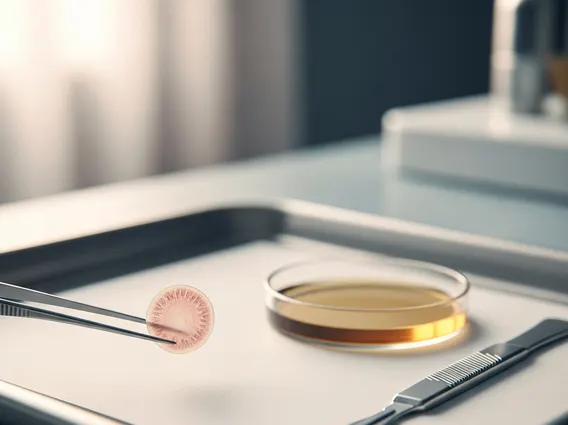
Shave Biopsy refers to a diagnostic procedure where a doctor removes a thin, superficial layer of skin tissue using a sharp, razor-like instrument. This technique is typically performed under local anesthesia, which numbs the area, making the procedure largely painless for the patient. The goal is to obtain a tissue sample that includes the epidermis and a portion of the superficial dermis, which are then sent to a pathology lab for microscopic analysis.
The primary purpose of a shave biopsy is to diagnose various skin conditions, particularly those that are raised or confined to the skin’s surface. It is an effective method for evaluating lesions suspected of being benign growths like skin tags, seborrheic keratoses, or warts, as well as for the initial assessment of potential skin cancers. The procedure is quick, often taking only a few minutes, and is considered a relatively low-risk outpatient procedure.
Shave Biopsy for Skin Cancer Diagnosis
Shave biopsy for skin cancer diagnosis is a widely utilized method, especially for suspected basal cell carcinoma (BCC) and squamous cell carcinoma (SCC), which are the most common types of skin cancer. These cancers often present as raised or scaly lesions on the skin’s surface, making them suitable for this superficial removal technique. The tissue obtained allows pathologists to examine the cells for cancerous changes, confirm a diagnosis, and determine the type of skin cancer present.
While effective for superficial lesions, a shave biopsy may not always be suitable for deeper or more aggressive forms of skin cancer, such as melanoma, where a deeper excisional biopsy is often preferred to ensure adequate margins and staging. However, it can sometimes be used for suspected melanoma in situ, which is confined to the epidermis. According to the American Academy of Dermatology (AAD), skin cancer is the most common cancer in the United States, underscoring the critical role of diagnostic procedures like the shave biopsy in early detection and treatment planning.
Shave Biopsy: Recovery, Risks, and Benefits
The shave biopsy recovery time and care typically involves a healing period of a few days to a couple of weeks, depending on the size and location of the biopsy site. After the procedure, the wound is usually covered with a bandage, and patients are advised to keep the area clean and dry. Applying an antibiotic ointment as directed can help prevent infection and promote healing. It is important to avoid picking at the scab that forms and to protect the area from sun exposure to minimize scarring.
Understanding the risks and benefits of shave biopsy is important. The benefits include its minimally invasive nature, quick execution, and effectiveness in diagnosing superficial skin lesions. It provides sufficient tissue for accurate diagnosis of many common skin conditions and cancers, guiding subsequent treatment decisions. However, like any medical procedure, there are potential risks. These can include minor bleeding, infection at the biopsy site, and the formation of a scar, which may be slightly lighter or darker than the surrounding skin. In rare cases, if a lesion is deeper than anticipated, a shave biopsy might not remove all cancerous cells, necessitating further procedures. Patients should discuss any concerns with their healthcare provider.