Seventh Cranial Nerve
The Seventh Cranial Nerve, also known as the facial nerve, is a critical component of the human nervous system responsible for controlling facial expressions, taste sensation, and several glandular functions. Understanding its structure and role is essential for diagnosing and treating various neurological conditions.
Key Takeaways
- The Seventh Cranial Nerve, or facial nerve, controls muscles for facial expressions and plays a role in taste and glandular functions.
- Its complex anatomy includes motor, sensory, and parasympathetic fibers originating from the brainstem.
- Dysfunction of this nerve can lead to facial palsy, characterized by weakness or paralysis of facial muscles.
- Common causes of Seventh Cranial Nerve palsy include Bell’s palsy, infections, trauma, and tumors.
- Early diagnosis and treatment are crucial for managing conditions affecting the facial nerve.
What is the Seventh Cranial Nerve?
The Seventh Cranial Nerve, medically known as the facial nerve, is one of the twelve cranial nerves that emerge directly from the brain. It is a mixed nerve, meaning it contains both motor and sensory fibers, along with parasympathetic components. Its primary role is to innervate the muscles of facial expression, allowing for a wide range of non-verbal communication, from smiling to frowning. Beyond motor control, it also transmits taste sensations from the anterior two-thirds of the tongue and supplies parasympathetic innervation to several glands, including the lacrimal (tear) glands and the submandibular and sublingual salivary glands. This intricate nerve pathway is vital for daily functions such as eating, speaking, and expressing emotions.
Anatomy and Function of the Facial Nerve
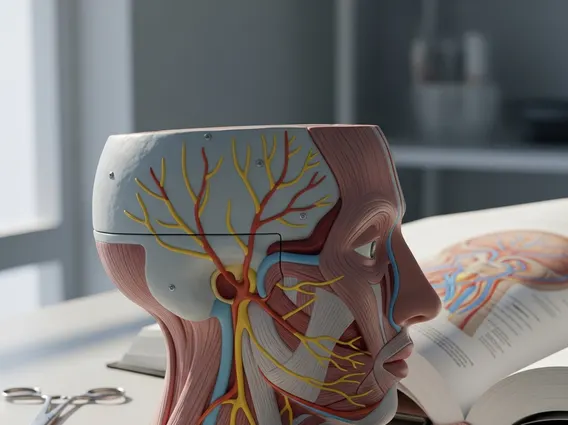
The seventh cranial nerve anatomy is remarkably complex, originating from the brainstem and traversing a tortuous path through the temporal bone before branching out to various structures. It emerges from the pontomedullary junction and enters the internal auditory meatus, then passes through the facial canal. Within this canal, it gives off several important branches.
The facial nerve function encompasses three main types of fibers:
- Motor fibers: These control all the muscles of facial expression, including those around the eyes, mouth, and forehead. This allows for actions like closing the eyes, raising eyebrows, and moving the lips.
- Sensory fibers: These are responsible for conveying taste sensations from the anterior two-thirds of the tongue.
- Parasympathetic fibers: These fibers regulate the secretion of tears from the lacrimal glands and saliva from the submandibular and sublingual glands, as well as mucus from the nasal and palatine glands.
Damage to any part of this extensive pathway can significantly impair these functions, leading to noticeable symptoms.
Causes of Seventh Cranial Nerve Palsy
Causes of Seventh Cranial Nerve palsy, also known as facial palsy, are diverse and can range from benign conditions to more serious underlying diseases. This condition results in weakness or paralysis of the muscles on one side of the face, leading to symptoms such as difficulty closing the eye, drooping of the mouth, and impaired facial expressions.
Common causes include:
- Bell’s Palsy: This is the most frequent cause, accounting for approximately 60-75% of all cases. It is an idiopathic (unknown cause) condition, often linked to viral infections like herpes simplex virus, leading to inflammation and swelling of the nerve. The CDC estimates that Bell’s palsy affects about 40,000 Americans each year.
- Infections: Various viral and bacterial infections can inflame the facial nerve. Examples include Herpes zoster virus (Ramsay Hunt syndrome), Lyme disease, and otitis media (middle ear infection).
- Trauma: Injuries to the head or face, particularly those involving the temporal bone, can directly damage the nerve.
- Tumors: Growths along the nerve’s path, such as acoustic neuromas or parotid gland tumors, can compress the nerve, impairing its function.
- Systemic Diseases: Conditions like diabetes mellitus, sarcoidosis, and Guillain-Barré syndrome can also affect the facial nerve.
- Stroke: While less common for isolated facial palsy, a stroke affecting the brain can manifest with facial weakness, though it typically spares the forehead muscles due to bilateral innervation.
Diagnosis often involves a thorough neurological examination, imaging studies, and sometimes electrophysiological tests to determine the exact cause and guide appropriate treatment.