Serrated Polyp
A serrated polyp is a type of growth that can form on the inner lining of the colon or rectum. Understanding these polyps is crucial for early detection and prevention of colorectal cancer, as some types have malignant potential.
Key Takeaways
- Serrated Polyp is a category of colorectal growths, some of which can progress to cancer.
- They are often asymptomatic, making regular screening essential for detection.
- Types range from benign hyperplastic polyps to more concerning sessile serrated lesions and traditional serrated adenomas.
- Treatment typically involves endoscopic removal, followed by surveillance based on the polyp’s characteristics.
- Early detection through colonoscopy significantly improves outcomes and reduces cancer risk.
What is a Serrated Polyp?
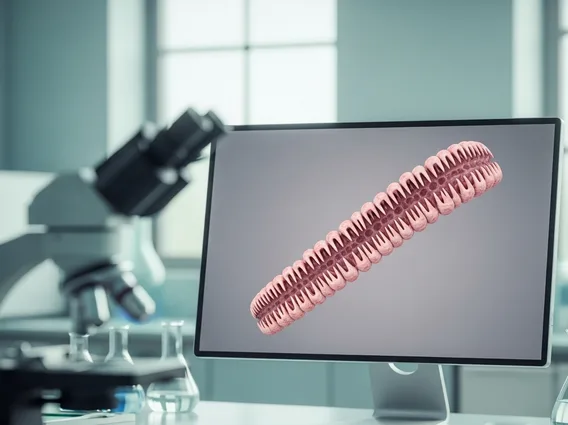
A Serrated Polyp refers to a group of polyps found in the colon and rectum characterized by a saw-tooth or serrated appearance under a microscope. Unlike conventional adenomatous polyps, which are well-understood precursors to colorectal cancer, serrated polyps follow a distinct pathway to malignancy, known as the serrated pathway. The significance of what is a serrated polyp lies in distinguishing between benign types and those with a higher risk of cancerous transformation.
These polyps can occur anywhere in the colon but are more commonly found in the right side. Their flat or sessile (flat, broad-based) morphology can make them challenging to detect during a colonoscopy, emphasizing the importance of thorough examination by endoscopists. While many serrated polyps are benign, certain subtypes require careful management due to their potential for progression.
Types and Associated Symptoms of Serrated Polyps
Serrated polyps are categorized into several types, each with varying degrees of malignant potential. The primary types of serrated polyps include:
- Hyperplastic Polyps (HPs): These are the most common type and are generally considered benign with no malignant potential, especially when found in the rectosigmoid colon. Larger HPs in the right colon, however, may sometimes be reclassified or associated with more advanced serrated lesions.
- Sessile Serrated Lesions (SSLs), previously called Sessile Serrated Adenomas (SSAs): These are considered true precursors to colorectal cancer via the serrated pathway. They are often flat, pale, and covered with a mucus cap, making them difficult to identify endoscopically. SSLs are more frequently found in the right colon.
- Traditional Serrated Adenomas (TSAs): Less common than SSLs, TSAs typically resemble conventional adenomas but possess serrated architecture. They can occur anywhere in the colon and also carry a risk of malignant transformation.
Regarding serrated polyp symptoms, most serrated polyps, especially when small, are asymptomatic. They are typically discovered incidentally during routine colonoscopy screenings. When symptoms do occur, they are often non-specific and may include:
- Rectal bleeding
- Changes in bowel habits (e.g., diarrhea or constipation)
- Abdominal pain
- Anemia due to chronic blood loss
These symptoms are more likely to manifest with larger polyps or if malignant transformation has already occurred. Therefore, regular screening colonoscopies are vital for early detection, even in the absence of symptoms.
Serrated Polyp Treatment Options
The primary serrated polyp treatment for any suspicious polyp, including serrated types, is endoscopic removal. This procedure, known as a polypectomy, is typically performed during a colonoscopy. The goal is to completely remove the polyp to prevent its growth and potential progression to cancer. The technique used for removal depends on the polyp’s size, location, and morphology.
For smaller polyps, standard biopsy forceps or snare polypectomy may be sufficient. Larger or more challenging sessile serrated lesions may require advanced endoscopic techniques such as endoscopic mucosal resection (EMR) or endoscopic submucosal dissection (ESD) to ensure complete removal. After removal, the polyp tissue is sent to a pathologist for microscopic examination to determine its exact type and assess for any signs of dysplasia or cancer.
Following polypectomy, surveillance colonoscopy schedules are determined based on the type, size, number, and pathology of the removed polyps, as well as individual patient risk factors. Patients with SSLs or TSAs typically require more frequent follow-up colonoscopies compared to those with benign hyperplastic polyps to monitor for recurrence or the development of new polyps. Adherence to these surveillance guidelines is crucial for long-term prevention of colorectal cancer.