
Serosa
Serosa is a vital component of the human body, playing a crucial role in the protection and function of internal organs. These smooth, slippery membranes facilitate movement and reduce friction within body cavities.
Key Takeaways
- Serosa is a smooth, protective membrane lining body cavities and covering organs.
- It consists of a mesothelium layer and a thin layer of connective tissue.
- Key locations include the peritoneum (abdomen), pleura (lungs), and pericardium (heart).
- Its primary functions are to reduce friction, protect organs, and facilitate movement.
- Serosa ensures organs can move freely without damage within the body.
What is Serosa?
Serosa refers to a smooth, glistening membrane that lines certain body cavities and covers the outer surfaces of organs within those cavities. It is a type of serous membrane, distinguished by its ability to secrete a lubricating fluid. This fluid is essential for minimizing friction between moving organs and the cavity walls, allowing for smooth, unhindered movement. Understanding what is serosa is fundamental to comprehending the protective mechanisms within the human torso, ensuring that vital organs operate efficiently without mechanical stress.
These membranes are crucial for maintaining the integrity and function of vital organs. They provide a protective barrier against physical damage, such as abrasion, and also help to limit the spread of infection within body cavities. By creating a low-friction environment, the serosa plays a significant role in various physiological processes, from the rhythmic contractions of the heart to the complex movements of the digestive tract, ensuring organs can expand, contract, and shift without causing damage to themselves or surrounding structures.
Serosa Membrane Structure and Location
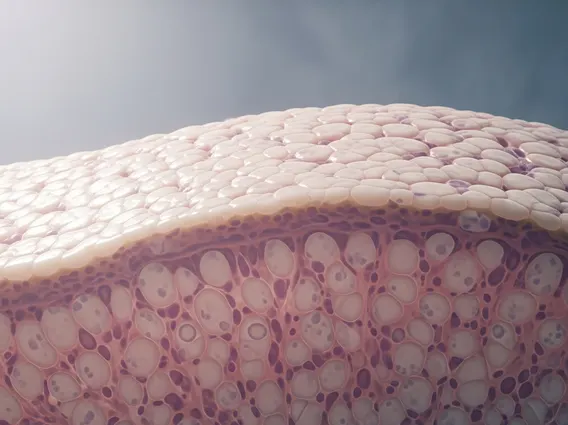
The serosa membrane structure is characterized by two primary layers. The outermost layer is the mesothelium, a single layer of flattened epithelial cells. These cells are specialized to secrete serous fluid, a thin, watery, lubricating substance. Beneath the mesothelium lies a thin layer of connective tissue, which provides structural support and contains blood vessels and nerves. This bilayer structure allows the serosa to be both protective and highly functional.
The serosa is strategically located in several key body cavities, where organ movement and protection are paramount. Where is serosa located can be specifically identified in the following areas:
- Peritoneum: Lines the abdominal cavity and covers most abdominal organs (e.g., stomach, intestines, liver).
- Pleura: Surrounds the lungs within the thoracic cavity, with a visceral layer covering the lung surface and a parietal layer lining the chest wall.
- Pericardium: Encloses the heart, forming a protective sac that allows the heart to beat freely within the mediastinum.
These distinct locations highlight the widespread importance of serous membranes throughout the torso.
Functions of Serosa Tissue
The primary serosa tissue function revolves around creating a low-friction environment and providing robust protection for internal organs. The serous fluid secreted by the mesothelial cells acts as a highly effective lubricant, allowing organs to glide smoothly against each other and against the cavity walls. For instance, during the continuous process of breathing, the lungs expand and contract, and the pleura ensures this movement occurs without damaging friction against the delicate rib cage. Similarly, the heart beats tirelessly, and the pericardium prevents abrasive contact with surrounding structures, safeguarding its vital pumping action.
Beyond lubrication, the serosa also offers a significant degree of physical protection by cushioning organs and helping to hold them in their proper anatomical positions while allowing for necessary flexibility. The continuous secretion and reabsorption of serous fluid also contribute to maintaining a stable internal environment. The health of these membranes is therefore vital for the unimpeded operation of the body’s most active internal systems, preventing complications that could arise from friction or minor impacts.



















