RNA
RNA, or Ribonucleic Acid, is a vital biological macromolecule present in all known forms of life. It plays a fundamental role in gene expression, serving as a messenger, a carrier, and a catalyst in various cellular processes.
Key Takeaways
- RNA is a single-stranded nucleic acid crucial for gene expression and regulation.
- It is composed of nucleotides containing ribose sugar, a phosphate group, and nitrogenous bases (adenine, guanine, cytosine, uracil).
- Key types include messenger RNA (mRNA), transfer RNA (tRNA), and ribosomal RNA (rRNA), each with distinct roles in protein synthesis.
- RNA functions include carrying genetic information, delivering amino acids, and forming structural components of ribosomes.
- Unlike DNA, RNA typically has a single strand, contains ribose sugar, and uses uracil instead of thymine.
What is RNA?
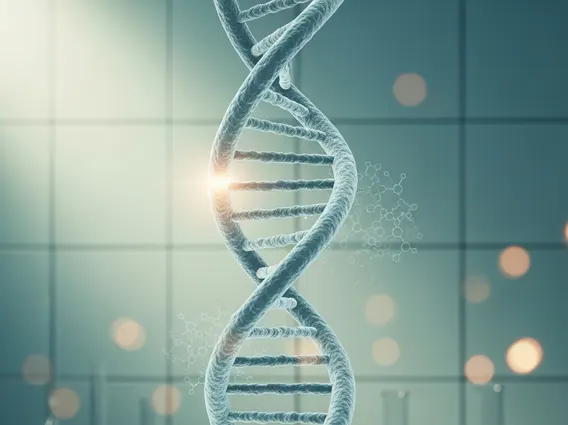
RNA, or Ribonucleic Acid, is a polymeric molecule essential for various biological roles in coding, decoding, regulation, and expression of genes. It is a nucleic acid, much like DNA, but with distinct structural and functional differences. RNA molecules are typically single-stranded, although they can fold into complex three-dimensional structures that are crucial for their function. The building blocks of RNA are nucleotides, each consisting of a ribose sugar, a phosphate group, and one of four nitrogenous bases: adenine (A), guanine (G), cytosine (C), or uracil (U). Uracil replaces thymine, which is found in DNA.
The primary role of RNA in cells revolves around the process of gene expression, where genetic information encoded in DNA is converted into functional proteins. This intricate process involves multiple steps where different types of RNA molecules work in concert to ensure accurate and efficient protein synthesis. RNA’s versatility allows it to perform diverse functions, from carrying genetic blueprints to catalyzing biochemical reactions.
RNA Function in Cells and Its Types
The overarching RNA function in cells is to facilitate the expression of genetic information stored in DNA. This involves transcribing DNA into RNA, translating RNA into proteins, and regulating these processes. RNA molecules are incredibly diverse, with several distinct types of RNA and their roles, each specialized for a particular task within the cell.
The main types of RNA involved in protein synthesis include:
- Messenger RNA (mRNA): mRNA carries the genetic code from DNA in the nucleus to the ribosomes in the cytoplasm. It acts as a template for protein synthesis, dictating the sequence of amino acids.
- Transfer RNA (tRNA): tRNA molecules are responsible for transporting specific amino acids to the ribosome during protein synthesis. Each tRNA has an anticodon that pairs with a complementary codon on the mRNA, ensuring the correct amino acid is added to the growing polypeptide chain.
- Ribosomal RNA (rRNA): rRNA is a major structural and catalytic component of ribosomes, the cellular machinery responsible for synthesizing proteins. rRNA helps to form the peptide bonds between amino acids, effectively catalyzing the protein assembly process.
Beyond these primary types, other RNA molecules, such as microRNAs (miRNAs) and long non-coding RNAs (lncRNAs), play crucial regulatory roles, influencing gene expression by targeting mRNA molecules or modulating chromatin structure. These regulatory RNAs highlight the expansive and dynamic nature of RNA’s involvement in cellular processes.
How Does RNA Differ from DNA?
While both DNA and RNA are nucleic acids vital for life, they possess fundamental structural and functional differences that enable them to perform their distinct roles. These distinctions are critical for understanding their respective biological importance.
Here is a comparison of the key differences between RNA and DNA:
| Feature | DNA (Deoxyribonucleic Acid) | RNA (Ribonucleic Acid) |
|---|---|---|
| Sugar | Deoxyribose | Ribose |
| Bases | Adenine, Guanine, Cytosine, Thymine | Adenine, Guanine, Cytosine, Uracil |
| Structure | Double-stranded helix | Typically single-stranded |
| Primary Function | Long-term storage of genetic information | Gene expression, regulation, and catalysis |
| Stability | More stable (due to deoxyribose and double helix) | Less stable (due to ribose and single strand) |
| Location (Eukaryotes) | Mainly in nucleus, mitochondria, chloroplasts | Nucleus, cytoplasm, ribosomes |
These differences underscore the specialized functions of each molecule. DNA’s stability and double-stranded nature make it ideal for long-term genetic storage and faithful replication, ensuring genetic continuity. In contrast, RNA’s single-stranded, more flexible structure and its uracil base allow for diverse functions in gene expression, regulation, and even enzymatic activity, making it a highly versatile molecule in the cellular machinery.