Respiratory Therapist
A Respiratory Therapist is a specialized healthcare professional who plays a crucial role in diagnosing, treating, and managing patients with cardiopulmonary diseases. They work with individuals of all ages, from premature infants to the elderly, to improve lung function and overall respiratory health.
Key Takeaways
- Respiratory Therapists are vital healthcare professionals specializing in cardiopulmonary health.
- Their roles include managing ventilators, administering medications, and educating patients on respiratory conditions.
- Becoming a Respiratory Therapist typically requires an associate’s or bachelor’s degree and state licensure.
- The respiratory therapist job description encompasses diverse settings, from hospitals to home care.
- A respiratory therapist career path offers opportunities for specialization and advancement.
What is a Respiratory Therapist?
A Respiratory Therapist refers to a licensed medical professional who provides care for patients with breathing disorders. These specialists are integral to healthcare teams, working under the direction of physicians to assess, treat, and educate individuals suffering from a wide range of respiratory conditions. Their expertise is critical in emergencies, chronic disease management, and preventative care, ensuring optimal lung function and patient well-being.
They utilize advanced medical equipment and techniques to manage respiratory illnesses such as asthma, chronic obstructive pulmonary disease (COPD), cystic fibrosis, and sleep apnea. According to the U.S. Bureau of Labor Statistics, employment of respiratory therapists is projected to grow 13 percent from 2022 to 2032, much faster than the average for all occupations, indicating a strong demand for these professionals. (Source: U.S. Bureau of Labor Statistics, Occupational Outlook Handbook, Respiratory Therapists).
Respiratory Therapist Job Description
The respiratory therapist job description is broad and encompasses a variety of critical tasks aimed at improving patients’ breathing and overall respiratory health. These professionals perform diagnostic tests, administer therapeutic treatments, and provide patient education. They are often first responders in respiratory emergencies, managing airways and providing life support.
Key responsibilities typically include:
- Administering aerosol medications and medical gases.
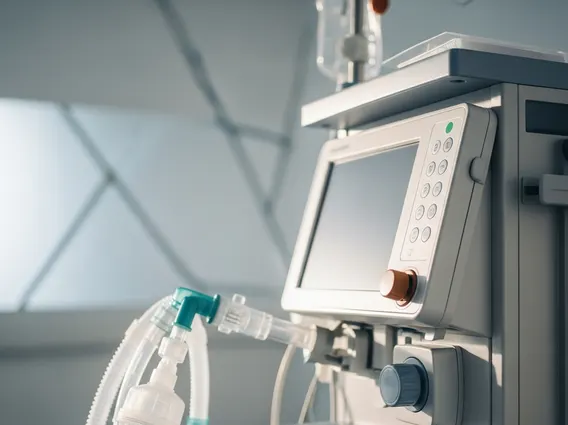
- Managing mechanical ventilators and artificial airways.
- Performing diagnostic procedures like arterial blood gas analysis and pulmonary function tests.
- Educating patients and their families about lung disease management and preventative care.
- Assisting physicians with bronchoscopies and other respiratory procedures.
- Responding to code blue and rapid response calls to provide emergency respiratory care.
Respiratory therapists work in diverse settings, including hospitals (intensive care units, emergency departments, general wards), outpatient clinics, sleep laboratories, rehabilitation centers, and even in patients’ homes. Their ability to adapt to different environments and patient needs makes them invaluable members of the healthcare system.
Education and Career Path for Respiratory Therapists
To become a Respiratory Therapist, aspiring professionals typically need to complete an associate’s or bachelor’s degree from an accredited respiratory therapy program. These programs cover subjects such as anatomy, physiology, microbiology, pharmacology, and advanced respiratory care procedures. After graduation, candidates must pass a national certification examination administered by the National Board for Respiratory Care (NBRC) to become a Certified Respiratory Therapist (CRT) or Registered Respiratory Therapist (RRT). State licensure is also required in most states.
The respiratory therapist career path offers numerous opportunities for specialization and advancement. After gaining experience, respiratory therapists can pursue advanced certifications in areas such as Neonatal/Pediatric Respiratory Care Specialist (NPS), Adult Critical Care Specialist (ACCS), Sleep Disorders Specialist (SDS), or Pulmonary Function Technologist (CPFT/RPFT).
Many experienced respiratory therapists move into supervisory or management roles, become educators, or work in research and development. Continuing education is essential for maintaining licensure and staying current with advancements in respiratory care. This continuous learning ensures that respiratory therapists can provide the highest quality of care throughout their careers.