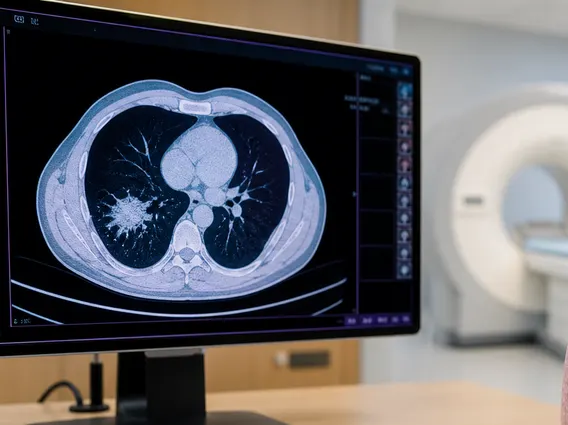
Respiratory Syncytial Virus
Respiratory Syncytial Virus (RSV) is a common respiratory virus that typically causes mild, cold-like symptoms but can lead to serious lung infections, especially in infants and older adults.

Key Takeaways
- Respiratory Syncytial Virus (RSV) is a highly contagious respiratory virus affecting people of all ages, often causing mild symptoms.
- RSV can lead to severe infections like bronchiolitis and pneumonia, particularly in young children and older adults.
- The virus spreads through respiratory droplets when an infected person coughs or sneezes.
- Symptoms in adults are usually mild, resembling a common cold, but can be more severe in vulnerable populations.
- Prevention strategies include frequent handwashing, avoiding close contact with sick individuals, and vaccination for eligible groups.
What is Respiratory Syncytial Virus (RSV)?
Respiratory Syncytial Virus (RSV) is a common respiratory virus that infects the lungs and breathing passages. It is a major cause of respiratory illness in infants and young children, but it can affect people of all ages. While most healthy individuals experience mild, cold-like symptoms, RSV can be serious for certain populations, including premature infants, young children with underlying heart or lung conditions, older adults, and individuals with weakened immune systems. According to the Centers for Disease Control and Prevention (CDC), RSV leads to approximately 58,000 to 80,000 hospitalizations and 100 to 300 deaths in children younger than 5 years old annually in the United States. It also causes 60,000 to 160,000 hospitalizations and 6,000 to 10,000 deaths among adults 65 years and older each year.
Causes and Symptoms of RSV Infection
The primary way respiratory syncytial virus causes infection is through direct contact with respiratory droplets from an infected person’s cough or sneeze. These droplets can land on mucous membranes in the nose, mouth, or eyes, or be inhaled. The virus can also survive on hard surfaces for several hours, allowing for indirect transmission if a person touches a contaminated surface and then touches their face. Symptoms typically appear within 4 to 6 days after exposure to the virus. In infants, RSV can cause more severe symptoms such as rapid breathing, wheezing, coughing, and difficulty breathing, sometimes leading to bronchiolitis or pneumonia.
For adults, RSV symptoms in adults are generally milder and often mimic those of a common cold. These can include:
- Runny nose
- Sore throat
- Cough
- Sneezing
- Headache
- Fever (though not always present)
While most healthy adults recover within a week or two, older adults and those with compromised immune systems or underlying heart or lung conditions may experience more severe symptoms, potentially requiring hospitalization for breathing support.
Preventing RSV Infection
Effective strategies exist for how to prevent RSV infection and reduce its spread, especially among vulnerable populations. Practicing good hygiene is paramount. This includes frequent and thorough handwashing with soap and water for at least 20 seconds, especially after coughing, sneezing, or caring for someone who is sick. Avoiding close contact with people who are ill, such as kissing or sharing eating utensils, can also help prevent transmission. Covering coughs and sneezes with a tissue or the upper arm, rather than the hands, is another important measure. Additionally, cleaning and disinfecting frequently touched surfaces can reduce the presence of the virus in the environment.
For specific high-risk groups, medical interventions are available. The CDC recommends RSV vaccination for adults 60 years and older, pregnant individuals during specific gestational weeks, and infants and young children. Monoclonal antibody products are also available for infants and young children to protect against severe RSV disease. Consult with a healthcare provider to determine the most appropriate preventive measures for yourself or your family members.