Receptor
Receptors are fundamental components of biological systems, playing a critical role in cellular communication and function. These specialized proteins enable cells to detect and respond to various signals from their environment, orchestrating complex processes essential for life.
Key Takeaways
- Receptors are proteins that bind specific signaling molecules, initiating cellular responses.
- They are crucial for cell communication, growth, metabolism, and immune responses.
- Receptors function by transducing external signals into internal cellular changes.
- Major types include cell-surface receptors (e.g., G protein-coupled, ion channel, enzyme-linked) and intracellular receptors.
- Understanding receptor mechanisms is vital for developing targeted therapies for various diseases.
What is a Receptor?
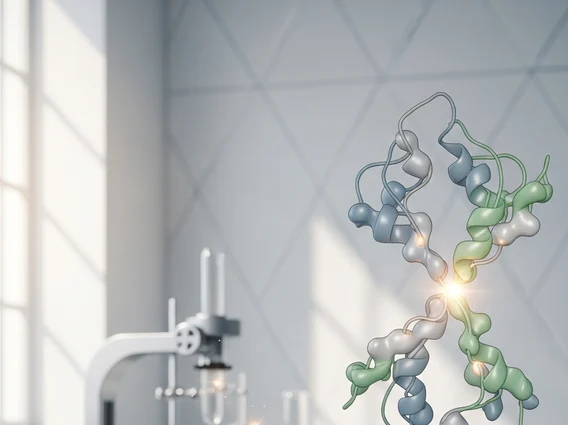
A Receptor is a protein molecule, typically found on the surface of a cell or within its cytoplasm, that binds to a specific signaling molecule (ligand). This binding event initiates a cascade of biochemical reactions within the cell, leading to a specific cellular response. Receptors act as the cell’s “ears” and “eyes,” allowing it to perceive and interpret messages from its surroundings, including hormones, neurotransmitters, growth factors, and even light or touch. Without receptors, cells would be unable to communicate effectively, leading to a breakdown in physiological processes. For instance, insulin receptors are vital for glucose uptake, and their dysfunction can lead to diabetes.
How Receptors Function in Cells
Receptors function in cells by converting external stimuli into internal cellular signals, a process known as signal transduction. When a ligand binds to its specific receptor, it causes a conformational change in the receptor protein. This change can activate downstream signaling pathways, often involving a series of protein interactions, phosphorylation events, or the generation of second messengers like cyclic AMP or calcium ions. These internal signals then modulate various cellular activities, such as gene expression, enzyme activity, ion channel opening, or cell division. The precise mechanism of signal transduction varies depending on the receptor type, but the ultimate goal is to elicit a coordinated cellular response that is appropriate for the incoming signal. This intricate process is fundamental to all aspects of receptor function in biology, from embryonic development to immune defense.
Major Types of Receptors and Their Roles
The diversity of cellular signals necessitates a wide array of receptor types, each specialized to detect particular ligands and initiate specific responses. These receptors are broadly categorized based on their location and the mechanism by which they transduce signals. Understanding the types of receptors and roles they play is crucial for comprehending cellular physiology and pathology.
- G Protein-Coupled Receptors (GPCRs): These are the largest and most diverse group of cell-surface receptors. Upon ligand binding, GPCRs activate associated G proteins, which then regulate various effector proteins, such as enzymes or ion channels. They are involved in a vast array of physiological processes, including sensory perception (sight, smell, taste), immune function, and neurotransmission.
- Ion Channel-Linked Receptors (Ligand-Gated Ion Channels): These receptors are transmembrane proteins that form an ion channel. When a ligand binds, the channel opens or closes, allowing specific ions (e.g., Na+, K+, Ca2+, Cl-) to flow across the cell membrane, thereby changing the cell’s membrane potential and excitability. They are critical for rapid signaling in the nervous system.
- Enzyme-Linked Receptors: These receptors have an extracellular ligand-binding domain and an intracellular enzymatic domain, or they are closely associated with an enzyme. Ligand binding activates the enzymatic activity, often a kinase, which then phosphorylates other proteins, initiating a signaling cascade. Receptor tyrosine kinases (RTKs) are a prominent example, playing key roles in cell growth, differentiation, and metabolism.
- Intracellular Receptors: Unlike cell-surface receptors, these receptors are located in the cytoplasm or nucleus of the cell. They bind to small, lipid-soluble signaling molecules (e.g., steroid hormones, thyroid hormones) that can diffuse directly across the plasma membrane. Upon binding, the receptor-ligand complex often acts as a transcription factor, directly regulating gene expression.
Each of these receptor types contributes uniquely to how receptors work in cells, ensuring that cells can respond precisely and appropriately to the complex chemical environment they inhabit. For example, the Centers for Disease Control and Prevention (CDC) highlights the role of specific receptors in viral entry, such as the ACE2 receptor for SARS-CoV-2, underscoring their importance in infectious disease mechanisms.