
Proton Pump Inhibitor
Proton Pump Inhibitors (PPIs) are a class of medications widely prescribed to reduce stomach acid production. They play a crucial role in managing various gastrointestinal conditions by targeting the enzymes responsible for acid secretion.
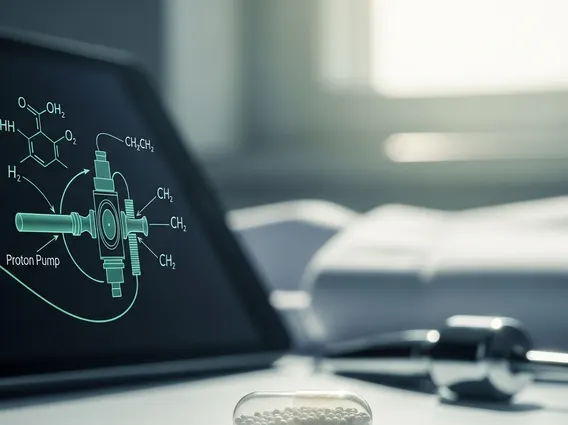
Key Takeaways
- Proton Pump Inhibitors (PPIs) are medications that significantly reduce stomach acid production.
- They work by irreversibly blocking the proton pumps in the stomach lining, preventing acid secretion.
- PPIs are primarily used to treat conditions such as GERD, peptic ulcers, and Zollinger-Ellison syndrome.
- While highly effective, long-term use of PPIs may be associated with potential side effects and risks.
- Consultation with a healthcare professional is essential to determine appropriate use and duration of PPI therapy.
What is a Proton Pump Inhibitor (PPI)?
A Proton Pump Inhibitor (PPI) is a powerful class of drugs designed to suppress gastric acid secretion. To understand what is Proton Pump Inhibitor, it’s essential to know that these medications work by targeting the proton pumps (H+/K+-ATPase) located in the parietal cells of the stomach lining. By inhibiting these pumps, PPIs effectively reduce the amount of acid produced, providing relief and promoting healing for various acid-related disorders.
The development of PPIs revolutionized the treatment of acid-related gastrointestinal diseases, offering significant relief for millions worldwide. The benefits of proton pump inhibitors include their high efficacy in healing erosive esophagitis, managing symptoms of gastroesophageal reflux disease (GERD), and preventing ulcer recurrence. They are generally considered safe and well-tolerated for short-term use, making them a cornerstone in gastroenterological therapy.
Mechanism of Action and Clinical Uses of PPIs
Proton pump inhibitors work in the body by irreversibly binding to and inhibiting the H+/K+-ATPase enzyme system, commonly known as the proton pump, in the gastric parietal cells. This enzyme is responsible for the final step in gastric acid secretion. By blocking these pumps, PPIs prevent the release of hydrogen ions into the stomach lumen, thereby reducing the acidity of gastric contents. This mechanism leads to a profound and prolonged reduction in stomach acid, which is crucial for healing and symptom relief.
Proton pump inhibitors are used for a wide range of conditions where reducing stomach acid is beneficial. These include:
- Gastroesophageal Reflux Disease (GERD): Affecting approximately 20% of adults in Western countries, GERD is a chronic condition where stomach acid flows back into the esophagus, causing heartburn and potential damage. PPIs are highly effective in managing GERD symptoms and healing esophageal erosions.
- Peptic Ulcers: Including gastric and duodenal ulcers, often caused by Helicobacter pylori infection or nonsteroidal anti-inflammatory drug (NSAID) use. PPIs aid in ulcer healing and prevention.
- Zollinger-Ellison Syndrome: A rare condition characterized by excessive acid production due to a tumor. PPIs are essential for controlling acid secretion in these patients.
- Erosive Esophagitis: Inflammation and damage to the esophagus caused by chronic acid exposure.
- Prevention of NSAID-induced Ulcers: For individuals at high risk of developing ulcers from long-term NSAID use.
Their potent acid-suppressing effects make them invaluable in these clinical scenarios, often leading to significant improvement in patients’ quality of life.
Potential Side Effects and Risks of Proton Pump Inhibitors
While generally safe and effective, proton pump inhibitor side effects and risks are important considerations, especially with long-term use. Common, mild side effects may include headache, nausea, diarrhea, abdominal pain, and flatulence. These are usually transient and resolve on their own.
However, prolonged use of PPIs has been associated with more significant concerns. These potential risks include an increased risk of certain infections, such as Clostridium difficile-associated diarrhea, and pneumonia. Some studies suggest a possible link between long-term PPI use and nutrient deficiencies, particularly magnesium, calcium, and vitamin B12, due to reduced acid-dependent absorption. This may contribute to an increased risk of bone fractures, especially in older adults. Other reported, though less common, associations include kidney problems (acute interstitial nephritis) and a slight increase in the risk of certain cardiovascular events. It is crucial for patients to discuss the duration and necessity of PPI therapy with their healthcare provider to weigh the benefits against these potential risks.
This information is for supportive purposes only and does not replace professional medical treatment or advice. Always consult with a qualified healthcare provider for diagnosis and treatment of any medical condition.



















