
Proctosigmoidoscopy
Proctosigmoidoscopy is a medical procedure used to examine the lower part of the large intestine, specifically the rectum and the sigmoid colon. This diagnostic tool plays a crucial role in detecting various conditions affecting these areas.
Key Takeaways
- Proctosigmoidoscopy is an endoscopic procedure to visualize the rectum and sigmoid colon.
- It helps diagnose conditions like polyps, inflammation, and early signs of colorectal cancer.
- The procedure involves inserting a flexible tube with a camera into the rectum.
- Preparation typically includes dietary restrictions and bowel cleansing to ensure clear visualization.
- It is a valuable tool for screening and investigating symptoms in the lower bowel.
What is Proctosigmoidoscopy?
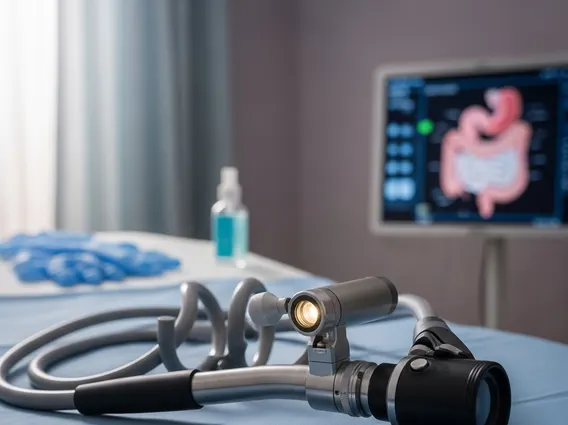
Proctosigmoidoscopy is a minimally invasive medical procedure that allows a healthcare provider to visually inspect the rectum and the lower part of the colon, known as the sigmoid colon. This examination uses a flexible, lighted tube called a sigmoidoscope, which has a camera at its tip. The scope is gently inserted through the anus and advanced into the rectum and sigmoid colon, transmitting images to a monitor for detailed assessment. This procedure is distinct from a full colonoscopy, as it examines only the last 60 centimeters (about 2 feet) of the large intestine.
It is often performed in an outpatient setting and typically does not require deep sedation, though local anesthetics or mild sedatives might be used to enhance comfort. The primary goal is to identify abnormalities such as inflammation, polyps, ulcers, or other changes that could indicate disease, including early signs of colorectal cancer.
Purpose and Procedure of Proctosigmoidoscopy
The purpose of proctosigmoidoscopy is multifaceted, primarily focusing on screening, diagnosis, and monitoring conditions affecting the rectum and sigmoid colon. It is frequently recommended for individuals experiencing symptoms such as rectal bleeding, changes in bowel habits, abdominal pain, or unexplained weight loss. According to the Centers for Disease Control and Prevention (CDC), regular screening procedures like proctosigmoidoscopy can help prevent colorectal cancer or find it early, when treatment is most effective, significantly improving patient outcomes.
The proctosigmoidoscopy procedure explained involves several key steps. The patient typically lies on their left side with knees drawn towards the chest. After a digital rectal exam, the lubricated sigmoidoscope is carefully inserted. Air may be gently inflated into the colon to expand the walls for better visualization. The physician then systematically examines the lining of the rectum and sigmoid colon. If suspicious areas are found, small tissue samples (biopsies) can be taken through the scope for laboratory analysis. Polyps, which are small growths, can often be removed during the procedure. The entire examination usually takes about 10 to 20 minutes.
Common conditions that may be diagnosed or evaluated during a proctosigmoidoscopy include:
- Hemorrhoids and anal fissures
- Diverticulosis (small pouches in the colon wall)
- Inflammatory bowel disease (e.g., ulcerative colitis)
- Polyps (pre-cancerous growths)
- Early-stage colorectal cancer
- Infections of the lower bowel
Preparing for Your Proctosigmoidoscopy
Effective proctosigmoidoscopy preparation is crucial for ensuring a clear view of the colon lining, which is essential for an accurate diagnosis. Your healthcare provider will provide specific instructions, but general preparation typically involves dietary adjustments and bowel cleansing. Patients are usually advised to follow a clear liquid diet for 24 hours before the procedure, avoiding solid foods, red or purple liquids, and dairy products. This helps minimize stool in the colon.
Bowel cleansing is achieved through laxatives or enemas. Often, one or two enemas are administered a few hours before the procedure to clear the rectum and lower sigmoid colon. It is important to follow these instructions precisely to ensure the colon is clean enough for the physician to see any abnormalities. Patients should also inform their doctor about any medications they are taking, especially blood thinners or diabetes medications, as adjustments may be necessary. Following these preparation guidelines diligently contributes significantly to the success and diagnostic accuracy of the proctosigmoidoscopy.



















