Pnh
Paroxysmal Nocturnal Hemoglobinuria (PNH) is a rare, acquired blood disorder characterized by the destruction of red blood cells, leading to a range of debilitating symptoms and potentially life-threatening complications.
Key Takeaways
- Paroxysmal Nocturnal Hemoglobinuria (PNH) is a rare, acquired blood disorder caused by a genetic mutation in bone marrow stem cells.
- The condition leads to the destruction of red blood cells due to a deficiency of protective proteins on their surface.
- Common symptoms include fatigue, anemia, dark urine, and an increased risk of blood clots.
- Diagnosis relies primarily on flow cytometry to detect the absence of specific proteins on blood cells.
- Treatment often involves complement inhibitors to prevent red blood cell destruction and manage symptoms.
What is Paroxysmal Nocturnal Hemoglobinuria (PNH)?
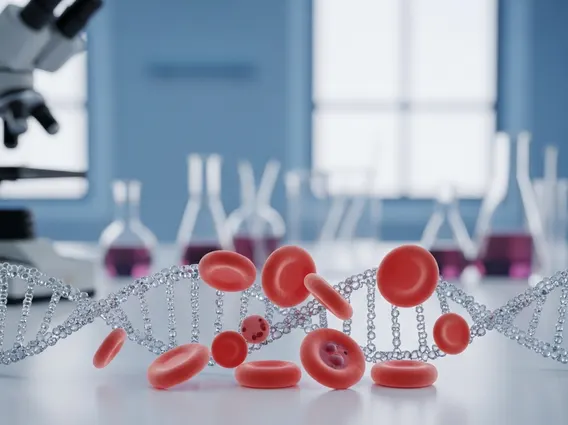
Paroxysmal Nocturnal Hemoglobinuria (PNH) is a rare, acquired, life-threatening blood disorder that results from a mutation in the PIG-A gene within hematopoietic stem cells in the bone marrow. This mutation leads to a deficiency of certain glycosylphosphatidylinositol (GPI)-anchored proteins, specifically CD55 and CD59, on the surface of blood cells. These proteins normally protect red blood cells from destruction by the body’s complement system, a part of the immune system. Without them, red blood cells become vulnerable and are prematurely destroyed, a process known as hemolysis.
The historical name “paroxysmal nocturnal hemoglobinuria” refers to the dark, reddish-brown urine (hemoglobinuria) that some patients notice, often more concentrated after sleep. However, this symptom is not always present, nor is it strictly nocturnal or paroxysmal (occurring in sudden, recurrent attacks). PNH is considered an ultra-rare disease, affecting approximately 1 to 1.5 people per million worldwide, according to the National Organization for Rare Disorders (NORD).
PNH Symptoms, Causes, and Diagnosis
The manifestation of PNH symptoms and causes can vary widely among individuals, ranging from mild to severe. The underlying cause is an acquired (not inherited) somatic mutation in the PIG-A gene in a subset of hematopoietic stem cells. This mutation prevents the synthesis of the GPI anchor, leading to a deficiency of GPI-anchored proteins like CD55 and CD59 on the surface of blood cells. This deficiency makes the cells susceptible to uncontrolled attack by the complement system, resulting in chronic intravascular hemolysis.
Common symptoms of PNH include:
- Profound fatigue and weakness due to anemia
- Dark urine, especially in the morning, caused by hemoglobin released from destroyed red blood cells
- Shortness of breath and pallor
- Abdominal pain, difficulty swallowing, and erectile dysfunction, often related to smooth muscle dystonia caused by nitric oxide depletion
- Increased susceptibility to blood clots (thrombosis), which can occur in unusual locations such as the hepatic, cerebral, or abdominal veins, and are a leading cause of morbidity and mortality in PNH.
Diagnosing Paroxysmal Nocturnal Hemoglobinuria primarily relies on a specialized blood test called flow cytometry. This test accurately detects the absence or deficiency of GPI-anchored proteins (CD55 and CD59) on the surface of red blood cells, white blood cells, and platelets. Other laboratory findings that support a diagnosis include elevated lactate dehydrogenase (LDH) levels, decreased haptoglobin, and signs of anemia in a complete blood count (CBC).
PNH Treatment Options
The goal of PNH treatment options is to manage symptoms, prevent complications, and improve the patient’s quality of life. The advent of complement inhibitors has revolutionized the management of PNH. These medications, such as eculizumab and ravulizumab, work by blocking components of the complement system, thereby preventing the destruction of PNH cells and reducing hemolysis. This significantly decreases the risk of thrombosis, improves anemia, and alleviates many PNH-related symptoms.
Supportive care remains crucial for PNH patients. This may include regular blood transfusions to manage severe anemia, anticoagulant therapy to prevent or treat blood clots, and iron and folic acid supplementation. While complement inhibitors are the mainstay of therapy, allogeneic hematopoietic stem cell transplantation (bone marrow transplant) is considered a potential cure for PNH. However, due to its significant risks and potential complications, it is typically reserved for severe cases, particularly those with aplastic anemia who have failed other therapies. Regular monitoring of blood counts, LDH levels, and the size of the PNH clone is essential to assess treatment effectiveness and adjust therapy as needed.