Plummer Vinson Syndrome
Plummer Vinson Syndrome is a rare disorder characterized by a triad of symptoms: difficulty swallowing, iron deficiency anemia, and the presence of esophageal webs. This condition primarily affects women and, if left untreated, can lead to significant health complications.
Key Takeaways
- Plummer Vinson Syndrome is a rare condition involving difficulty swallowing, iron deficiency, and esophageal webs.
- The primary cause is strongly linked to chronic iron deficiency anemia.
- Symptoms include dysphagia, fatigue, and specific signs of anemia like spoon-shaped nails.
- Treatment involves iron supplementation and endoscopic dilation of esophageal webs.
- Early diagnosis and management are crucial to prevent complications and monitor for potential cancer risk.
What is Plummer Vinson Syndrome?
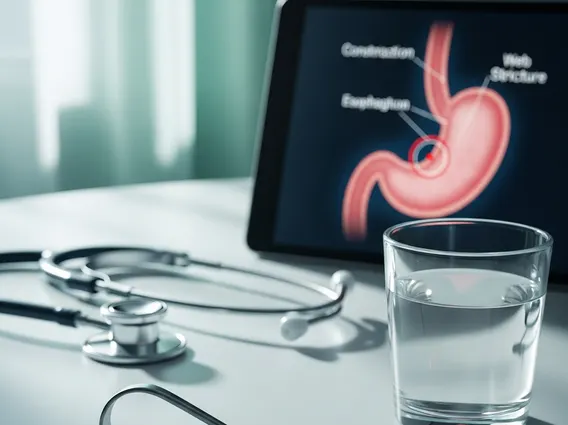
Plummer Vinson Syndrome (PVS), also known as Paterson-Kelly syndrome or Sideropenic dysphagia, is a rare condition that affects the esophagus, the tube connecting the throat to the stomach. It is characterized by the formation of thin, fragile membranes, called esophageal webs, in the upper part of the esophagus. These webs can partially obstruct the passage of food, leading to difficulty in swallowing. The syndrome is almost always associated with chronic iron deficiency anemia, which is believed to play a central role in its development. While rare, understanding what is Plummer Vinson Syndrome is important for timely diagnosis and management, as it carries a slightly increased risk of post-cricoid esophageal squamous cell carcinoma.
Symptoms and Causes of Plummer Vinson Syndrome
The primary manifestations of Plummer Vinson Syndrome symptoms are related to both the physical obstruction in the esophagus and the underlying iron deficiency. Difficulty swallowing, medically termed dysphagia, is the hallmark symptom, often progressing from solids to liquids over time. This can lead to weight loss and nutritional deficiencies. Other symptoms are indicative of chronic iron deficiency anemia.
Common symptoms include:
- Dysphagia: Difficulty or pain while swallowing, particularly solid foods.
- Fatigue and Weakness: Resulting from anemia, impacting daily activities.
- Pallor: Unusually pale skin due to reduced red blood cells.
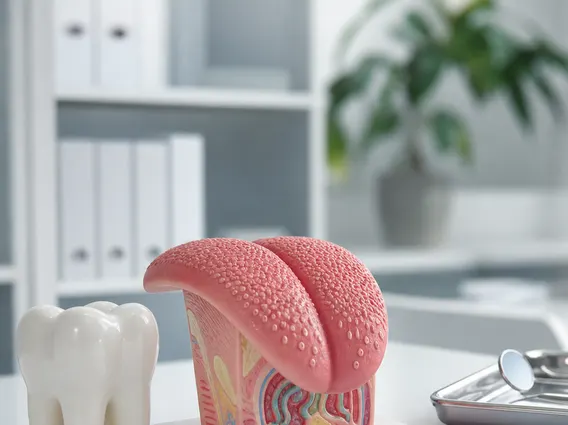
- Glossitis: Inflammation and soreness of the tongue, often appearing smooth and red.
- Cheilosis: Cracks and sores at the corners of the mouth.
- Koilonychia: Spoon-shaped, brittle fingernails.
- Pica: Cravings for non-nutritive substances like ice or dirt.
The exact Plummer Vinson Syndrome causes are not fully understood, but the condition is strongly linked to chronic iron deficiency anemia. It is hypothesized that prolonged iron deficiency leads to impaired enzyme function and epithelial atrophy in the pharynx and esophagus, making these tissues more susceptible to web formation. Genetic predisposition, autoimmune factors, and malnutrition may also contribute to the development of the syndrome. While iron deficiency is a consistent finding, not everyone with chronic iron deficiency develops PVS, suggesting other contributing factors are at play.
Plummer Vinson Syndrome Treatment Options
Effective Plummer Vinson Syndrome treatment focuses on two main objectives: correcting the underlying iron deficiency and addressing the esophageal webs. Iron supplementation is the cornerstone of therapy for the anemia. This can involve oral iron tablets, but in severe cases or when oral absorption is poor, intravenous iron may be necessary. Correcting the iron deficiency often leads to an improvement in many of the associated symptoms, including glossitis and cheilosis, and can sometimes even reduce the severity of dysphagia.
For the esophageal webs that cause significant swallowing difficulties, endoscopic dilation is the primary intervention. This procedure involves inserting a thin, flexible tube with a camera (endoscope) into the esophagus. A balloon or a dilator is then passed through the endoscope to gently stretch and break the esophageal webs, widening the passage for food. Multiple dilation sessions may be required, and regular follow-up is essential to monitor for recurrence of webs and to screen for the potential development of esophageal squamous cell carcinoma, as individuals with PVS have a slightly increased risk.