Peripheral Blood
Peripheral blood is a vital component of the human circulatory system, playing a crucial role in maintaining overall health and bodily functions. It serves as a diagnostic window into the body’s physiological state, providing essential insights into various medical conditions and responses to treatment.
Key Takeaways
- Peripheral blood is the circulating blood found outside the bone marrow, primarily within blood vessels.
- It is composed of plasma, red blood cells, white blood cells, and platelets, each with distinct roles.
- Its primary functions include oxygen and nutrient transport, immune defense, and blood clotting.
- Analysis of peripheral blood is a fundamental tool for diagnosing and monitoring numerous diseases.
What is Peripheral Blood?
Peripheral Blood refers to the blood circulating in the network of blood vessels throughout the body, encompassing arteries, veins, and capillaries, but specifically excluding the blood contained within the bone marrow. It is a complex fluid connective tissue essential for sustaining life, constantly transporting vital substances and removing waste products from tissues. Understanding the peripheral blood meaning is fundamental in medicine, as its composition and characteristics offer critical diagnostic information about a person’s health status. Medical professionals frequently analyze peripheral blood samples through tests like a complete blood count (CBC) to detect infections, monitor chronic diseases, assess organ function, and evaluate the effectiveness of various medical treatments. This constant circulation ensures that all cells receive necessary resources and waste is efficiently removed.
Components of Peripheral Blood
The intricate composition of peripheral blood components is crucial for its diverse physiological roles. This vital fluid is broadly divided into two main parts: plasma, the liquid matrix, and cellular elements suspended within it. Approximately 55% of peripheral blood is plasma, while the remaining 45% consists of various blood cells and cell fragments. These components work synergistically to perform the blood’s numerous functions.
The cellular components, also known as formed elements, include:
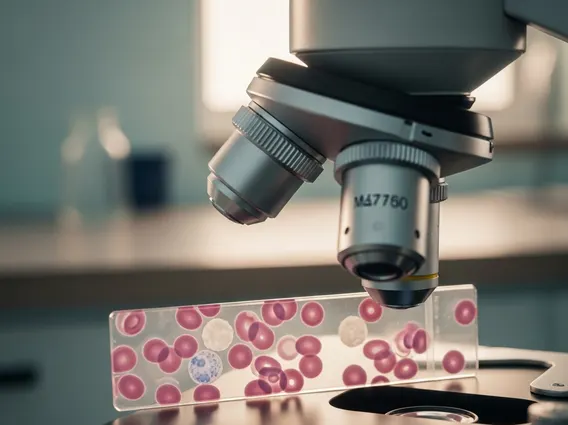
- Red Blood Cells (Erythrocytes): The most abundant cellular component, making up about 40-45% of total blood volume. Their primary role is the efficient transport of oxygen from the lungs to tissues and carbon dioxide back to the lungs, facilitated by hemoglobin.
- White Blood Cells (Leukocytes): Integral to the immune system, these cells defend the body against infections, foreign invaders, and abnormal cells. This category includes types like neutrophils, lymphocytes, monocytes, eosinophils, and basophils, each with specialized immune functions.
- Platelets (Thrombocytes): Small, irregular-shaped cell fragments derived from megakaryocytes in the bone marrow. Platelets are crucial for hemostasis, stopping bleeding by forming a plug at the site of injury and initiating blood clot formation.
The liquid component is:
- Plasma: This yellowish, clear fluid constitutes approximately 55% of peripheral blood. It is primarily water (about 92%) and serves as a solvent and transport medium for a vast array of dissolved substances. These include essential proteins (like albumin, globulins, and fibrinogen), glucose, mineral ions, hormones, and metabolic waste products.
The precise balance and health of these components are vital for overall physiological well-being.
Functions of Peripheral Blood
The function of peripheral blood is profoundly multifaceted, encompassing a wide array of physiological processes vital for maintaining homeostasis and overall bodily health. These critical functions are carried out by its various components working in concert, ensuring the proper operation of every organ system.
Key functions include:
- Transport of Gases and Nutrients: Peripheral blood efficiently transports oxygen from the lungs to all body tissues and carries carbon dioxide, a waste product, back to the lungs for exhalation. It also delivers essential nutrients, such as glucose, amino acids, and vitamins, absorbed from the digestive system, to cells throughout the body.
- Regulation of Body Conditions: Blood plays a critical role in regulating several internal body conditions. It helps maintain a stable body temperature by distributing heat and buffers acids and bases to keep the body’s pH within a narrow, healthy range (typically 7.35-7.45). It also regulates fluid balance in tissues.
- Protection Against Disease and Bleeding: White blood cells provide robust immune defense, identifying and destroying pathogens and abnormal cells, thereby protecting the body from infections and diseases. Simultaneously, platelets and various clotting factors work together to initiate coagulation, preventing excessive blood loss in response to injury and maintaining circulatory integrity.
This comprehensive set of functions underscores why peripheral blood is indispensable for life and why its analysis is a cornerstone of medical diagnostics.