Oropharynx
The oropharynx is a crucial part of the throat, playing a vital role in both the respiratory and digestive systems. Understanding its structure and function is essential for comprehending various medical conditions that can affect this area.
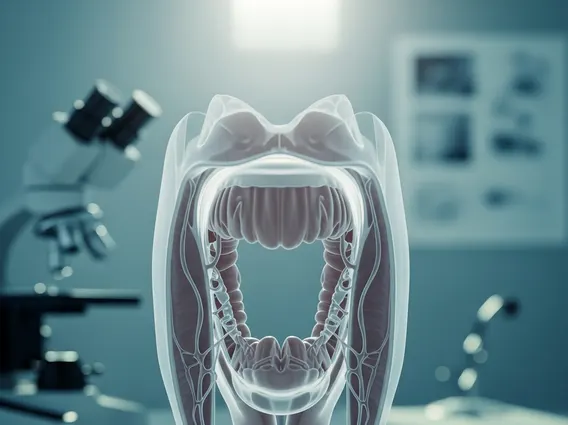
Key Takeaways
- The oropharynx is the middle part of the pharynx, located behind the oral cavity.
- It serves as a passageway for both air and food, connecting the mouth to the lower respiratory and digestive tracts.
- Key anatomical structures include the tonsils, soft palate, and base of the tongue.
- Common conditions affecting the oropharynx range from infections like tonsillitis to more serious issues such as cancer.
- Maintaining good oral hygiene and avoiding risk factors like smoking are important for oropharyngeal health.
What is the Oropharynx?
The Oropharynx refers to the middle section of the pharynx, or throat, situated directly behind the oral cavity. It extends from the soft palate superiorly to the epiglottis inferiorly, serving as a critical junction for both air and food pathways. This anatomical region is a key component of the upper aerodigestive tract, facilitating the passage of ingested substances and inhaled air further into the body.
The where is the oropharynx located is at the back of the mouth, visible when one opens their mouth wide and looks into a mirror. It forms the posterior boundary of the oral cavity and is continuous with the nasopharynx above and the laryngopharynx below. Its strategic position makes it integral to essential bodily functions like breathing, swallowing, and speech.
Oropharynx Anatomy and Function
The oropharynx anatomy and function are complex, involving several structures that work in concert to support its dual roles. Anatomically, it comprises the soft palate, the base of the tongue, the palatine tonsils, and the posterior pharyngeal wall. These components are richly supplied with muscles and nerves, enabling coordinated movements necessary for its functions.
Key anatomical features include:
- Soft Palate: The muscular posterior part of the roof of the mouth, which elevates during swallowing to prevent food from entering the nasal cavity.
- Base of the Tongue: The posterior one-third of the tongue, which helps push food towards the esophagus during swallowing.
- Palatine Tonsils: Lymphoid tissues located on either side of the oropharynx, playing a role in the immune system by trapping pathogens.
- Posterior Pharyngeal Wall: The back wall of the throat, which aids in peristalsis during swallowing.
Functionally, the oropharynx is primarily involved in digestion, respiration, and speech. It acts as a conduit for food and liquids from the mouth to the esophagus, with coordinated muscle action propelling the bolus downwards. Simultaneously, it allows air to pass from the nasal or oral cavity to the larynx and into the lungs. Furthermore, its structures, particularly the soft palate and base of the tongue, are crucial for articulating various sounds and shaping vocalizations.
Common Oropharynx Conditions
A range of common oropharynx conditions can affect this vital area, impacting its functions and potentially leading to significant health issues. These conditions can stem from infections, inflammation, or abnormal tissue growth.
Some prevalent conditions include:
- Tonsillitis: An inflammation of the palatine tonsils, often caused by viral or bacterial infections. Symptoms typically include a sore throat, difficulty swallowing, and fever. According to the Centers for Disease Control and Prevention (CDC), viral infections are the most common cause of tonsillitis.
- Pharyngitis: General inflammation of the pharynx, commonly known as a sore throat. It can be caused by viruses (like the common cold) or bacteria (such as Streptococcus pyogenes, leading to strep throat).
- Obstructive Sleep Apnea (OSA): A condition where the soft tissues in the oropharynx relax during sleep, temporarily blocking the airway. This leads to repeated pauses in breathing and disrupted sleep. The American Academy of Sleep Medicine estimates that OSA affects millions of adults worldwide.
- Oropharyngeal Cancer: A type of head and neck cancer that originates in the oropharynx. Risk factors include tobacco and alcohol use, as well as human papillomavirus (HPV) infection. The incidence of HPV-related oropharyngeal cancer has been rising in recent decades, as reported by the National Cancer Institute (NCI). Early detection is crucial for successful treatment.
- Peritonsillar Abscess: A collection of pus behind the tonsil, often a complication of tonsillitis. This condition can cause severe pain, difficulty swallowing, and a muffled voice.
These conditions highlight the importance of recognizing symptoms and seeking medical attention when necessary to maintain oropharyngeal health.