Oral Cavity
The oral cavity, commonly known as the mouth, is the initial segment of the digestive system and plays a crucial role in various bodily functions beyond just eating. It serves as the gateway for food and air, initiating the processes of digestion and speech.
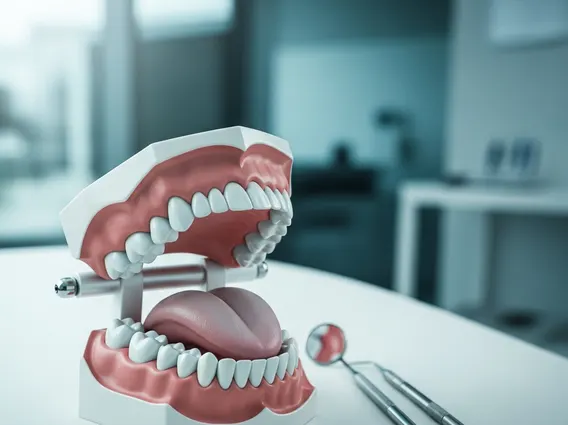
Key Takeaways
- The oral cavity is the entry point for the digestive and respiratory systems, integral for eating, speaking, and breathing.
- It comprises structures like the lips, tongue, teeth, gums, and salivary glands, each contributing to its diverse functions.
- Key functions include mastication (chewing), taste perception, speech articulation, and the initial chemical digestion of food.
- Maintaining good oral hygiene is vital to prevent common conditions such as dental caries, periodontal disease, and oral infections.
- Regular dental check-ups and a healthy lifestyle are essential for preserving the overall health of the oral cavity.
What is the Oral Cavity?
The Oral Cavity refers to the anatomical space within the head that begins at the lips and extends back to the oropharynx. It is a complex, multi-functional area lined with mucous membranes and houses several critical structures. This vital region is responsible for the initial processing of food, including mechanical breakdown and the start of chemical digestion, as well as playing a significant role in communication through speech and facial expressions.
Beyond its digestive and communicative roles, the oral cavity also acts as a protective barrier, preventing harmful pathogens from entering the body. Its rich blood supply and diverse microbial environment contribute to its unique physiological characteristics, making it a key indicator of overall systemic health.
Oral Cavity Anatomy and Function
The intricate structure of the oral cavity allows it to perform a wide array of functions essential for daily life. Its primary components work in concert to facilitate processes such as ingestion, mastication, and vocalization. Understanding these parts and their roles is fundamental to appreciating the complexity of this region.
Key anatomical structures within the oral cavity include:
- Lips and Cheeks: Form the anterior and lateral boundaries, aiding in food retention and speech articulation.
- Tongue: A muscular organ essential for taste, speech, and manipulating food during chewing and swallowing.
- Teeth: Hard structures embedded in the jawbones, primarily responsible for tearing and grinding food.
- Gums (Gingiva): The soft tissues surrounding the teeth, providing support and protection.
- Palate: Composed of the hard palate (anterior, bony) and soft palate (posterior, muscular), separating the oral cavity from the nasal cavity and aiding in swallowing.
- Salivary Glands: Produce saliva, which moistens food, initiates carbohydrate digestion, and cleanses the mouth.
Collectively, these structures enable the oral cavity to perform functions such as the mechanical breakdown of food (mastication), the perception of taste, the formation of words (speech), and the initial stages of digestion through salivary enzymes. The coordinated movements of the tongue, lips, and cheeks are also vital for swallowing, propelling food towards the pharynx.
Diseases and Health of the Oral Cavity
Maintaining optimal oral health is crucial for overall well-being, as various conditions can affect the oral cavity, ranging from common infections to more serious diseases. Poor oral hygiene is a primary contributor to many of these issues, highlighting the importance of preventative care.
Common diseases of the oral cavity include:
- Dental Caries (Tooth Decay): Caused by bacteria producing acids that erode tooth enamel.
- Periodontal Disease (Gum Disease): Inflammation and infection of the gums and supporting structures of the teeth, potentially leading to tooth loss.
- Oral Infections: Such as candidiasis (thrush), often caused by fungi or viruses.
- Oral Cancer: Malignant growths that can develop on the lips, tongue, gums, or other parts of the mouth.
According to the World Health Organization (WHO), oral diseases affect nearly 3.5 billion people worldwide, with severe periodontal disease being a major cause of total tooth loss. Globally, oral cancers are among the 10 most common cancers, with over 377,000 new cases reported annually (WHO, Oral health factsheet, 2023). These statistics underscore the global burden of oral health issues.
Understanding oral cavity health facts is essential for prevention. Regular brushing, flossing, and professional dental check-ups are fundamental practices. A balanced diet, limiting sugar intake, and avoiding tobacco and excessive alcohol consumption also significantly contribute to maintaining a healthy oral environment and reducing the risk of developing these conditions.