Technician
A Technician plays a crucial role across various medical and clinical settings, providing essential support to healthcare professionals. These individuals are highly skilled in specialized procedures, equipment operation, and data management, contributing significantly to patient care and diagnostic accuracy.
Key Takeaways
- A Technician is a skilled professional in medical and clinical fields, operating specialized equipment and performing diagnostic or therapeutic procedures.
- Their roles are diverse, ranging from laboratory analysis to imaging and patient support, requiring precision and adherence to protocols.
- Key responsibilities include equipment maintenance, sample processing, data recording, and ensuring patient safety.
- Career paths often involve specialized training, certifications, and opportunities for advanced roles or management within healthcare.
What is a Technician?
A Technician refers to a skilled professional who applies scientific principles and technical methods to support medical, clinical, or research operations. In healthcare, these individuals are integral to the diagnostic process, treatment delivery, and overall patient management. They operate sophisticated machinery, perform intricate tests, and maintain critical equipment that healthcare providers rely on for accurate assessments and effective interventions. Their work often requires meticulous attention to detail, adherence to strict protocols, and a deep understanding of the specific technologies and procedures within their specialty.
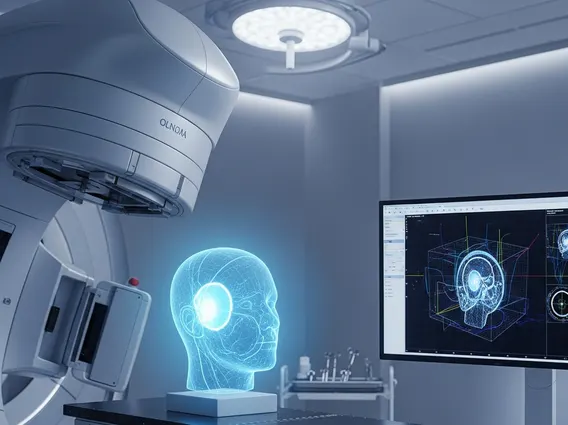
The scope of a Technician’s work can vary widely, but it consistently involves hands-on application of technical knowledge. This can range from preparing samples for analysis in a laboratory to assisting in complex surgical procedures or managing radiation therapy equipment. Their expertise ensures the reliability of diagnostic results and the safety and efficacy of various medical treatments, making them indispensable members of the healthcare team.
Key Responsibilities and Types of Technician Roles
The technician job responsibilities are diverse and depend heavily on their specific area of expertise within the medical field. Generally, these include operating and maintaining specialized equipment, performing diagnostic tests, preparing samples, recording data, and ensuring compliance with safety and quality standards. Technicians are often responsible for troubleshooting equipment malfunctions, calibrating instruments, and documenting all procedures accurately to maintain patient records and facilitate effective communication among healthcare providers.
There are numerous types of technician roles within the medical and clinical sectors, each requiring specialized training and skills. These roles are critical for the smooth functioning of hospitals, clinics, and research facilities. Some prominent examples include:
- Medical Laboratory Technicians: Perform tests on blood, tissue, and other body fluids to help diagnose diseases.
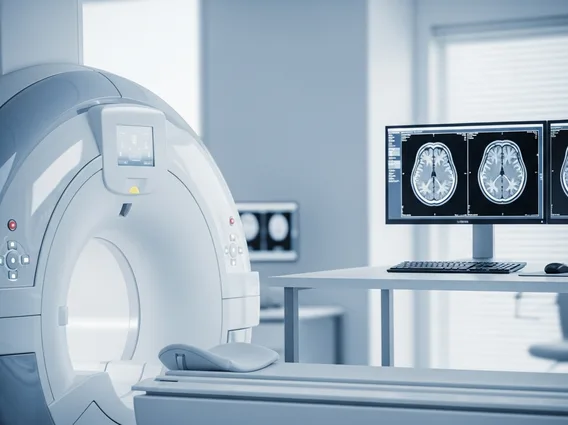
- Radiologic Technicians: Operate X-ray, MRI, and CT scan equipment to create images for diagnostic purposes.
- Surgical Technicians: Assist surgeons during operations by preparing operating rooms, sterilizing instruments, and passing tools.
- Pharmacy Technicians: Assist pharmacists in dispensing medications and managing pharmacy operations.
- Cardiovascular Technicians: Conduct tests related to heart and blood vessel health, such as electrocardiograms (ECGs) and ultrasounds.
- Respiratory Therapists: Work with patients who have breathing disorders, operating ventilators and other respiratory equipment.
Each of these roles demands a high level of precision, technical proficiency, and a commitment to patient safety and care. According to the U.S. Bureau of Labor Statistics, healthcare support occupations, which include many technician roles, are projected to grow much faster than the average for all occupations, indicating a strong demand for these skilled professionals.
Technician Career Path and Professional Development
The technician career path typically begins with specialized education, often an associate’s degree or a post-secondary certificate program in a specific technical field. Many roles also require professional certification or licensure, which demonstrates competency and adherence to industry standards. For instance, medical laboratory technicians might pursue certification from the American Society for Clinical Pathology (ASCP), while radiologic technicians are often certified by the American Registry of Radiologic Technologists (ARRT).
Once employed, technicians engage in continuous professional development to stay current with advancements in technology, medical procedures, and regulatory requirements. This can involve attending workshops, seminars, and earning continuing education credits. Career advancement opportunities for technicians can include specializing in a particular area, taking on supervisory or lead technician roles, or moving into management positions within a department or facility. Some technicians may also pursue further education to become technologists or even transition into related healthcare professions, such as nursing or physician assistant roles, leveraging their foundational technical expertise.