
Syringe
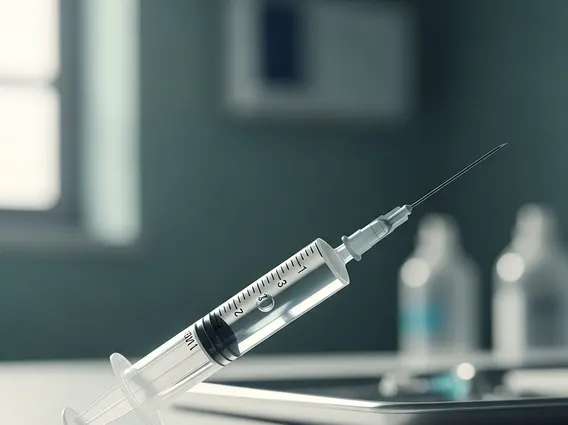
A Syringe is a fundamental medical device used for injecting fluids into, or withdrawing fluids from, the body. Its design ensures precise and controlled delivery or aspiration, making it indispensable across various healthcare settings.
Key Takeaways
- A Syringe is a medical instrument primarily used for injecting or withdrawing fluids from the body.
- It consists of a barrel, plunger, and tip, often with a detachable needle, each serving a critical function.
- Syringes come in various types, including Luer-Lok, slip-tip, insulin, and tuberculin, each designed for specific medical applications.
- Common uses range from administering medications and vaccines to drawing blood and performing irrigation.
- Safe handling practices, including sterile technique and proper disposal, are crucial to prevent infections and injuries.
What is a Syringe?
A Syringe is a simple reciprocating pump consisting of a plunger that fits tightly in a cylindrical tube, called a barrel. The plunger can be pulled and pushed along inside the barrel, allowing the Syringe to take in and expel liquid or gas through an orifice at the open end of the barrel. This design enables precise control over the volume of fluid being handled, which is critical in medical applications where accurate dosing is paramount. Syringes are widely used in medicine for injections, infusions, and aspirations, playing a vital role in patient care globally.
Parts and Types of Syringes Explained
Understanding the components of a Syringe and its various types is essential for proper medical practice. The primary parts of a syringe and their function include:
- Barrel: The main body of the Syringe, a clear cylinder with measurement markings (graduations) that indicate the volume of fluid. It holds the liquid medication or sample.
- Plunger: A rod with a rubber stopper at one end that fits snugly inside the barrel. Pushing the plunger expels fluid, while pulling it draws fluid into the barrel.
- Tip (or Hub): The end of the barrel where the needle or other device attaches. Common types include Luer-Lok (threaded for secure attachment) and slip-tip (friction-fit).
- Needle: A sterile, sharp, hollow tube attached to the Syringe tip, used to penetrate tissue for injection or aspiration. Needles vary in gauge (diameter) and length depending on the intended use.
Syringes are categorized into several types, each designed for specific purposes. For instance, Luer-Lok syringes offer a secure, screw-on connection for needles, preventing accidental dislodgement, while slip-tip syringes provide a quick, push-on connection. Insulin syringes are specifically calibrated in units for insulin administration, featuring very fine needles. Tuberculin syringes are smaller, typically 1 mL, with fine graduations for precise measurements of small doses, often used for allergy testing or pediatric medications. Pre-filled syringes come with a pre-measured dose of medication, enhancing convenience and reducing preparation errors.
Syringe Uses and Safe Handling
The syringe uses and applications are extensive across healthcare. They are primarily used for administering medications, such as vaccines, antibiotics, and pain relievers, either intravenously, intramuscularly, or subcutaneously. Syringes are also crucial for drawing blood samples for diagnostic testing, aspirating fluids from body cavities, and performing irrigation of wounds. Their versatility makes them indispensable in hospitals, clinics, and even for home healthcare.
How to Safely Use a Medical Syringe
Safe usage of a medical Syringe is paramount to prevent infections, injuries, and the spread of bloodborne pathogens. Adhering to strict protocols is critical for patient and healthcare worker safety. The World Health Organization (WHO) estimates that unsafe injection practices contribute to millions of infections annually, highlighting the importance of proper technique. For example, a 2010 WHO report indicated that unsafe injections caused an estimated 1.3 million early deaths and contributed to 260,000 HIV infections, 21 million hepatitis B virus infections, and 2 million hepatitis C virus infections annually worldwide.
Key steps for safe Syringe use include:
- Hand Hygiene: Always wash hands thoroughly with soap and water or use an alcohol-based hand rub before and after handling syringes.
- Sterile Technique: Ensure all components (Syringe, needle, medication vial) are sterile and unopened. Avoid touching the needle or the tip of the Syringe.
- Patient Identification: Verify the patient’s identity, the correct medication, dose, route, and time before administration.
- Proper Disposal: Immediately after use, dispose of the entire Syringe and needle unit into a puncture-resistant sharps container. Never recap, bend, or break needles.
- Training: Healthcare professionals must receive adequate training on injection techniques, infection control, and sharps safety.
Following these guidelines helps ensure the safe and effective use of syringes, protecting both patients and healthcare providers from potential harm.



















