
Synovitis
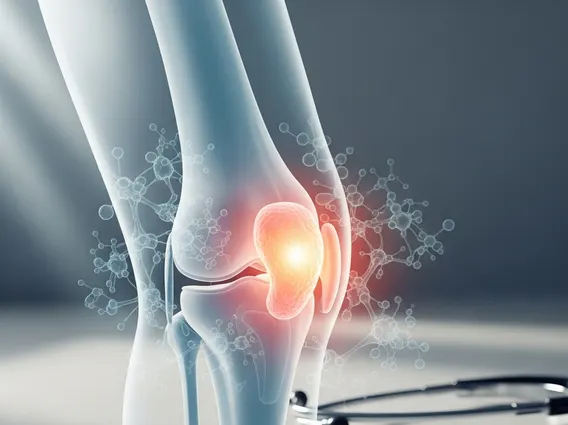
Synovitis is a medical condition characterized by the inflammation of the synovial membrane, which lines the inner surface of joints. This inflammation can lead to pain, swelling, and stiffness, significantly impacting joint function and overall quality of life.
Key Takeaways
- Synovitis is the inflammation of the synovial membrane, a tissue lining joints.
- It can arise from various causes, including autoimmune diseases, infections, injuries, and overuse.
- Common symptoms include joint pain, swelling, warmth, and reduced range of motion.
- Diagnosis typically involves physical examination, imaging, and sometimes synovial fluid analysis.
- Treatment options range from conservative measures like rest and medication to more invasive procedures such as injections or surgery.
What is Synovitis? Definition and Types
Synovitis refers to the inflammation of the synovium, a specialized connective tissue that lines the inner surface of joint capsules, tendon sheaths, and bursae. The synovium produces synovial fluid, which lubricates the joint and nourishes the cartilage. When inflamed, the synovium thickens and produces excess fluid, leading to swelling and pain within the joint.
Understanding the various synovitis definition types is crucial for accurate diagnosis and treatment. Synovitis can be categorized based on its underlying cause or its specific characteristics:
- Acute Synovitis: Often results from a sudden injury, infection, or a flare-up of an inflammatory condition, characterized by rapid onset of symptoms.
- Chronic Synovitis: Persists over a longer period, typically associated with ongoing inflammatory conditions like rheumatoid arthritis or osteoarthritis.
- Villous Synovitis: Characterized by the formation of villi (finger-like projections) on the synovial membrane, often seen in conditions like pigmented villonodular synovitis (PVNS).
- Hypertrophic Synovitis: Involves significant thickening and enlargement of the synovial membrane.
Causes and Symptoms of Synovitis
The development of synovitis causes and symptoms can be attributed to a wide range of factors. Autoimmune diseases are a common cause, where the body’s immune system mistakenly attacks its own tissues, as seen in rheumatoid arthritis, lupus, and psoriatic arthritis. Other causes include infections (septic arthritis), crystal deposition (gout, pseudogout), trauma or injury to the joint, and overuse or repetitive strain. Degenerative conditions like osteoarthritis can also lead to secondary synovitis due to cartilage breakdown and irritation.
The symptoms of synovitis can vary in intensity depending on the underlying cause and the severity of inflammation. Common indicators include:
- Joint Pain: Often described as a deep, aching pain that worsens with movement or pressure.
- Swelling: The affected joint may appear visibly enlarged due to the accumulation of excess synovial fluid.
- Warmth: The skin over the inflamed joint may feel warm to the touch.
- Tenderness: Pain upon light palpation of the joint area.
- Stiffness: Particularly noticeable after periods of inactivity, such as in the morning.
- Reduced Range of Motion: Difficulty moving the joint through its full normal range.
According to the World Health Organization (WHO), musculoskeletal conditions, including those that cause synovitis like rheumatoid arthritis, are a leading cause of disability worldwide, affecting hundreds of millions of people globally.
Synovitis Treatment Options
Effective management of synovitis treatment options aims to reduce inflammation, alleviate pain, and restore joint function. The specific approach depends on the underlying cause and severity of the condition. Conservative treatments are often the first line of defense.
Common treatment strategies include:
- Rest and Ice: Limiting activity and applying ice packs can help reduce acute inflammation and pain.
- Medications: Nonsteroidal anti-inflammatory drugs (NSAIDs) like ibuprofen or naproxen are frequently used to manage pain and inflammation. In some cases, corticosteroids (oral or injected directly into the joint) may be prescribed for their potent anti-inflammatory effects. Disease-modifying antirheumatic drugs (DMARDs) or biologics are used for autoimmune-related synovitis.
- Physical Therapy: Exercises to improve joint mobility, strength, and flexibility can be beneficial once acute inflammation subsides.
- Aspiration: Removing excess synovial fluid from the joint can relieve pressure and reduce swelling.
- Synovectomy: In severe, chronic cases where conservative treatments fail, surgical removal of the inflamed synovial membrane (synovectomy) may be considered. This can be performed arthroscopically or via open surgery.
It is important to consult with a healthcare professional to determine the most appropriate treatment plan for synovitis. While some complementary therapies may offer supportive benefits, they should not replace conventional medical treatment.



















