Synapse
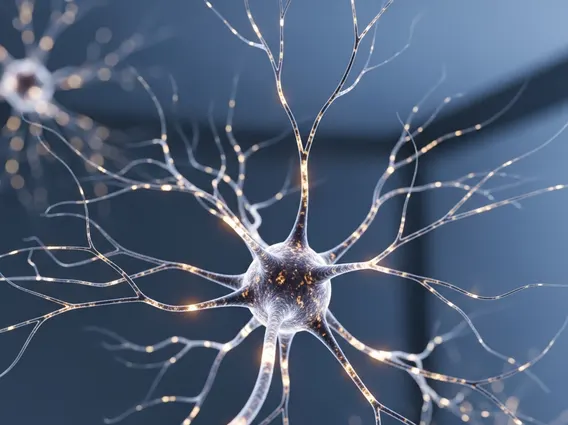
A Synapse is a critical junction that allows neurons to communicate with each other or with target cells throughout the nervous system. These specialized structures are fundamental to all brain functions, from thought and memory to movement and sensation.
Key Takeaways
- A Synapse is the specialized point of communication between two neurons or a neuron and another cell, facilitating the transmission of nerve impulses.
- Synaptic transmission involves the conversion of an electrical signal into a chemical signal (neurotransmitter release) and back into an electrical signal in the postsynaptic cell.
- There are two primary types of synapses: chemical synapses, which use neurotransmitters, and electrical synapses, which allow direct ion flow.
- The efficiency and plasticity of synapses are crucial for learning, memory formation, and overall nervous system function.
- Dysfunction in synaptic processes can lead to various neurological and psychiatric disorders.
What is a Synapse and Its Function?
A Synapse is a specialized structure that permits a neuron to pass an electrical or chemical signal to another neuron or to an effector cell (e.g., muscle cell, gland cell). It serves as the fundamental unit for information transfer within the nervous system. The primary function of a synapse is to transmit nerve impulses from one cell to another, enabling complex communication networks essential for all physiological processes.
The typical synapse consists of three main components: the presynaptic terminal, which contains neurotransmitters; the synaptic cleft, a small gap between the cells; and the postsynaptic membrane, which contains receptors for neurotransmitters. This intricate arrangement ensures precise and regulated communication, allowing for the rapid processing of information and coordinated bodily responses. Without functional synapses, the nervous system would be unable to relay signals, leading to a complete breakdown of communication.
Mechanisms of Synaptic Information Transmission
The process by which information is relayed across a synapse is known as synaptic transmission process overview. This complex sequence of events typically begins with an action potential arriving at the presynaptic terminal. This electrical signal triggers the opening of voltage-gated calcium channels, leading to an influx of calcium ions into the terminal. The increase in intracellular calcium causes synaptic vesicles, which contain neurotransmitters, to fuse with the presynaptic membrane and release their contents into the synaptic cleft.
Once in the synaptic cleft, neurotransmitters diffuse across the gap and bind to specific receptors on the postsynaptic membrane. This binding event causes a change in the postsynaptic cell’s membrane potential, either exciting it (making it more likely to fire an action potential) or inhibiting it (making it less likely to fire). The effect depends on the type of neurotransmitter and the specific receptors involved. After binding, neurotransmitters are rapidly removed from the synaptic cleft through enzymatic degradation, reuptake by the presynaptic neuron or glial cells, or diffusion, ensuring that the signal is brief and precise.
Key Types of Synapses Explained
There are primarily two different types of synapses explained based on their mechanism of transmission: chemical synapses and electrical synapses. Each type possesses distinct structural and functional characteristics that dictate their role in neural circuits.
- Chemical Synapses: These are the most common type of synapse in the mammalian nervous system. They utilize chemical messengers called neurotransmitters to transmit signals. The signal is converted from electrical (action potential) to chemical (neurotransmitter release) and then back to electrical (postsynaptic potential). This conversion allows for signal amplification, modulation, and integration, making them highly adaptable and crucial for learning and memory.
- Electrical Synapses: In contrast, electrical synapses transmit signals directly through gap junctions. These junctions are protein channels that connect the cytoplasm of two adjacent neurons, allowing ions and small molecules to pass directly from one cell to another. This direct connection results in extremely fast and synchronous transmission, making them important in circuits requiring rapid, coordinated activity, such as in certain reflexes or in the retina.
While chemical synapses offer greater flexibility and modulation, electrical synapses provide speed and synchronicity. The balance and interplay between these two types of synapses are essential for the intricate functioning of the brain and nervous system.