Endolymphatic Sac
The Endolymphatic Sac is a critical component of the inner ear, playing a pivotal role in maintaining the delicate balance of fluid within this complex sensory organ. Its proper functioning is essential for hearing and balance.
Key Takeaways
- The Endolymphatic Sac is an integral part of the inner ear’s vestibular system.
- It is primarily responsible for regulating the volume and pressure of endolymph, the fluid within the inner ear.
- Its unique anatomy facilitates fluid absorption and waste removal, crucial for auditory and balance functions.
- Dysfunction of the Endolymphatic Sac is implicated in various inner ear disorders, including Meniere’s disease.
- Understanding its role is key to diagnosing and managing conditions affecting hearing and balance.
What is the Endolymphatic Sac?
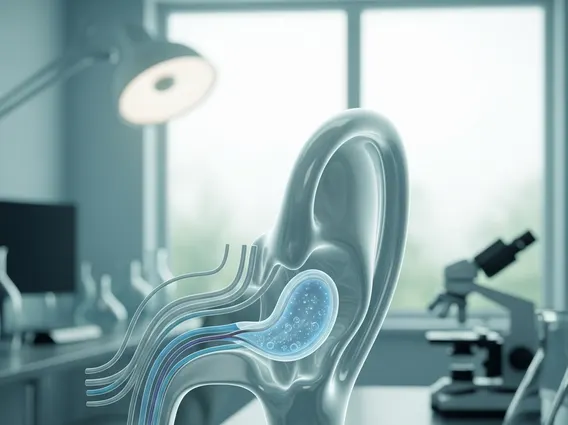
The Endolymphatic Sac is a small, pouch-like structure located within the temporal bone of the skull, specifically nestled between the layers of the dura mater. It is an integral part of the inner ear’s membranous labyrinth, which houses the organs responsible for hearing (cochlea) and balance (vestibular system). Its primary role revolves around the regulation of endolymph, a unique fluid that fills the membranous labyrinth. This fluid is crucial for the proper transduction of sound and head movements into neural signals.
The sac acts as a reservoir and a site for fluid absorption, helping to maintain the precise volume and ionic composition of the endolymph. This delicate balance is vital for the normal functioning of the hair cells within the cochlea and vestibular organs, which are highly sensitive to changes in their fluid environment. Any disruption to the sac’s function can have significant implications for auditory and vestibular health.
Endolymphatic Sac Anatomy and Function
The endolymphatic sac anatomy is characterized by its connection to the rest of the inner ear via the endolymphatic duct, which originates from the utricle and saccule—two components of the vestibular system. The sac itself consists of a lumen lined with specialized epithelial cells, surrounded by a rich vascular network and connective tissue. These cells possess microvilli and other features indicative of active transport and absorptive capabilities.
The primary endolymphatic sac function involves the reabsorption of endolymphatic fluid. This process helps to regulate the pressure and volume of endolymph within the membranous labyrinth, preventing conditions like endolymphatic hydrops, where excessive fluid accumulation occurs. Beyond fluid homeostasis, the sac is also thought to play a role in the immune surveillance of the inner ear and the removal of metabolic waste products. Its functions can be summarized as:
- Fluid Volume Regulation: Absorbing excess endolymph to maintain stable pressure.
- Ionic Homeostasis: Contributing to the precise electrolyte balance of the endolymph.
- Waste Removal: Clearing metabolic byproducts from the inner ear fluid.
- Immune Response: Potentially involved in the inner ear’s defense mechanisms.
The intricate interplay between fluid production and absorption, largely managed by the endolymphatic sac, ensures the optimal environment for the sensory hair cells to function effectively, allowing for clear hearing and stable balance perception.
Disorders of the Endolymphatic Sac
Dysfunction of the endolymphatic sac disorders can lead to a range of debilitating inner ear conditions, primarily those characterized by endolymphatic hydrops. The most well-known of these is Meniere’s disease, a chronic condition affecting millions worldwide. While the exact cause of Meniere’s disease is not fully understood, impaired function of the endolymphatic sac, leading to an imbalance in endolymph production and absorption, is considered a central pathogenic mechanism.
Symptoms associated with endolymphatic sac disorders often include episodic vertigo, fluctuating hearing loss, tinnitus (ringing in the ears), and aural fullness. The impact on quality of life can be significant. Diagnosis typically involves a comprehensive audiological and vestibular assessment, often complemented by imaging studies such as MRI to evaluate the inner ear structures, though direct visualization of sac dysfunction can be challenging. Treatment approaches vary, ranging from lifestyle modifications and medications to reduce fluid retention, to surgical interventions aimed at decompressing or shunting the endolymphatic sac to relieve pressure. For instance, endolymphatic sac decompression surgery is a procedure sometimes considered for patients with Meniere’s disease who do not respond to conservative treatments, aiming to improve fluid drainage and alleviate symptoms.