Endocrinology
Endocrinology is a specialized branch of medicine focused on the endocrine system, a complex network of glands that produce and release hormones. These hormones act as chemical messengers, playing a crucial role in regulating nearly every process in the body, from metabolism to growth and reproduction.

Key Takeaways
- Endocrinology is the medical specialty dealing with hormones and the endocrine system.
- The endocrine system regulates vital bodily functions through the release of hormones.
- Hormones are chemical messengers produced by endocrine glands, influencing growth, metabolism, and reproduction.
- Common endocrine glands include the thyroid, pituitary, adrenal, and pancreas.
- Endocrine disorders can affect a wide range of bodily processes, requiring specialized medical attention.
What is Endocrinology?
Endocrinology is the field of medicine dedicated to the study of hormones, endocrine glands, and related diseases. This discipline is essential for understanding how the body maintains balance and responds to various internal and external stimuli. The term “Endocrinology explained” often refers to the comprehensive understanding of this system, which includes the diagnosis and treatment of conditions such as diabetes, thyroid disorders, and infertility.
Specialists in this area, known as endocrinologists, diagnose and treat hormonal imbalances and problems that arise when glands don’t produce the right amount of hormones. Their work involves a deep understanding of biochemistry, physiology, and the intricate interactions between different glands and organs.
Function of the Endocrine System
The primary endocrine system function is to regulate the body’s internal environment, or homeostasis, by producing and secreting hormones directly into the bloodstream. These hormones then travel to target cells or organs throughout the body, where they elicit specific responses. This system acts as a vital communication network, albeit slower than the nervous system, with long-lasting effects.
The endocrine system influences almost every cell, organ, and function of the body. Key processes regulated by this system include metabolism (how the body uses food for energy), growth and development, tissue function, sexual function, reproduction, sleep, and mood. Endocrine disorders are widespread; for instance, according to the Centers for Disease Control and Prevention (CDC), millions of Americans are affected by endocrine disorders such as diabetes and thyroid conditions, highlighting the system’s critical role in public health.
Key Hormones and Endocrine Glands
The intricate balance of the body relies heavily on Hormones and endocrine glands working in concert. Endocrine glands are specialized organs that synthesize and secrete hormones. Hormones, in turn, are powerful chemical messengers that carry information and instructions from one set of cells to another.
Here are some of the major endocrine glands and the crucial hormones they produce:
- Pituitary Gland: Often called the “master gland,” it produces hormones like Growth Hormone (GH), Thyroid-Stimulating Hormone (TSH), and Adrenocorticotropic Hormone (ACTH), which control other endocrine glands.
- Thyroid Gland: Located in the neck, it produces thyroid hormones (T3 and T4) that regulate metabolism, energy levels, and growth.
- Adrenal Glands: Situated atop the kidneys, these glands produce cortisol (stress hormone), aldosterone (regulates blood pressure), and adrenaline (epinephrine).
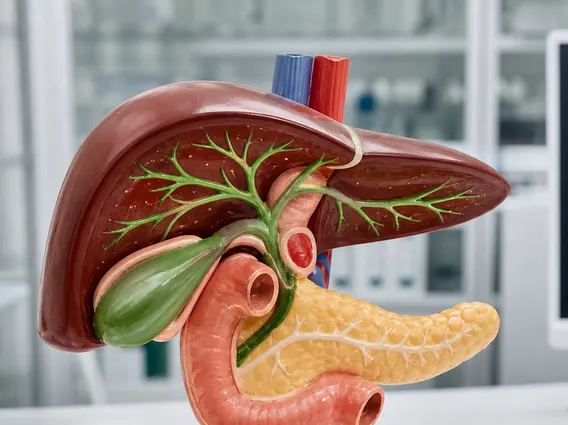
- Pancreas: This gland produces insulin and glucagon, essential for regulating blood sugar levels.
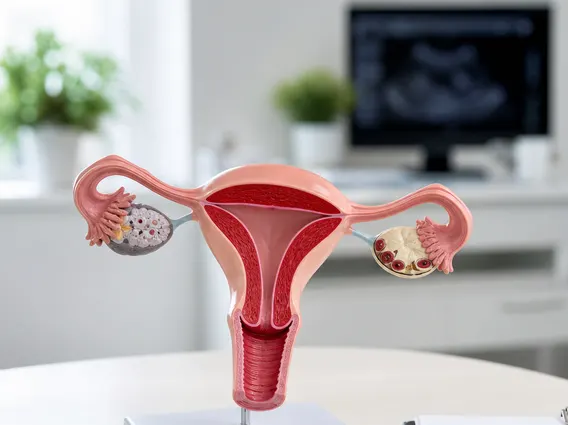
- Gonads (Testes/Ovaries): Produce sex hormones like testosterone in males and estrogen and progesterone in females, crucial for reproduction and secondary sexual characteristics.
Each hormone has a specific role, and imbalances—either too much or too little of a particular hormone—can lead to a wide range of health issues, underscoring the importance of a healthy endocrine system.