Endocrine System
The endocrine system is a vital network of glands that produce and release hormones, acting as the body’s chemical messenger system. It plays a crucial role in regulating nearly every cell, organ, and function in the body.
Key Takeaways
- The endocrine system is a complex network of glands that secrete hormones to regulate various bodily functions.
- Hormones act as chemical messengers, traveling through the bloodstream to target specific cells and organs.
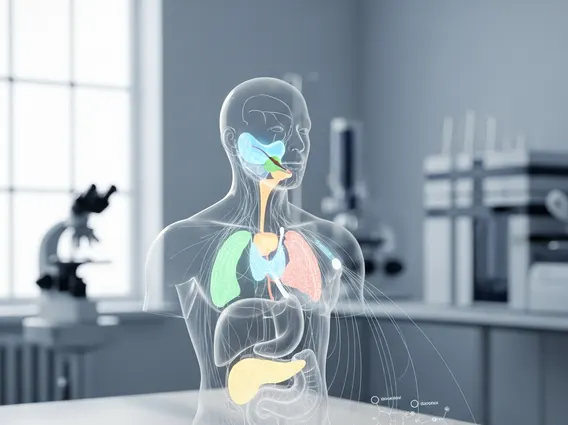
- Major endocrine glands include the pituitary, thyroid, adrenal glands, pancreas, and gonads.
- This system controls metabolism, growth, development, reproduction, sleep, and mood.
- Dysfunction in the endocrine system can lead to various disorders, such as diabetes and thyroid conditions.
What is the Endocrine System?
The Endocrine System refers to the collection of glands that produce hormones, which are chemical substances that regulate the function of target cells or organs. This intricate system is responsible for controlling a wide array of bodily processes, including metabolism, growth and development, tissue function, sexual function, reproduction, sleep, and mood. Essentially, the endocrine system and its function involve maintaining the body’s internal balance, known as homeostasis, by coordinating responses to internal and external changes.
Unlike the exocrine system, which secretes substances through ducts (like sweat glands), endocrine glands release their hormones directly into the bloodstream. These hormones then travel throughout the body, acting on specific cells that have receptors for them, ensuring precise and widespread communication.
How the Endocrine System Works: Glands and Hormones
To understand how the endocrine system work in the body, it’s essential to grasp the interplay between glands and hormones. Endocrine glands, such as the pituitary, thyroid, and adrenal glands, synthesize and secrete hormones. These hormones then enter the bloodstream and are transported to target cells or organs, where they bind to specific receptors to elicit a response. This mechanism allows the endocrine system to regulate processes that require widespread and sustained effects, from managing stress to controlling blood sugar levels.
The major glands and hormones of endocrine system include:
- Pituitary Gland: Often called the “master gland,” it produces hormones that control other endocrine glands. Examples include Growth Hormone (GH) and Thyroid-Stimulating Hormone (TSH).
- Thyroid Gland: Located in the neck, it produces thyroid hormones (T3 and T4) that regulate metabolism, energy levels, and growth.
- Adrenal Glands: Situated atop the kidneys, these glands produce hormones like cortisol (stress response, metabolism) and adrenaline (fight-or-flight response).
- Pancreas: This organ has both exocrine and endocrine functions. Its endocrine role involves producing insulin and glucagon, which regulate blood sugar levels.
- Gonads (Ovaries in females, Testes in males): These produce sex hormones such as estrogen and progesterone (females) and testosterone (males), essential for reproduction and secondary sexual characteristics.
The system operates through complex feedback loops, where the level of a hormone in the blood can trigger or inhibit its further production, ensuring precise control.
Endocrine System Diseases and Disorders
When the endocrine system malfunctions, it can lead to various health issues. Endocrine system diseases and disorders explained often arise from either an overproduction (hyperfunction) or underproduction (hypofunction) of hormones, or from the body’s inability to respond to hormones effectively. These imbalances can significantly impact quality of life and require medical intervention.
Common endocrine disorders include:
- Diabetes Mellitus: A condition where the pancreas either doesn’t produce enough insulin or the body can’t effectively use the insulin it produces, leading to high blood sugar. According to the Centers for Disease Control and Prevention (CDC), over 37 million Americans have diabetes, and 1 in 5 don’t know they have it.
- Thyroid Disorders: Such as hypothyroidism (underactive thyroid) causing fatigue and weight gain, or hyperthyroidism (overactive thyroid) leading to weight loss and anxiety.
- Adrenal Insufficiency (Addison’s Disease): Occurs when the adrenal glands produce too little cortisol and often too little aldosterone.
- Growth Disorders: Caused by imbalances in growth hormone, leading to conditions like gigantism or dwarfism.
- Polycystic Ovary Syndrome (PCOS): A common hormonal disorder among women of reproductive age, affecting ovaries and hormone levels.
Diagnosis typically involves blood tests to measure hormone levels, imaging studies, and physical examinations. Treatment varies widely depending on the specific disorder but often includes hormone replacement therapy, medications to regulate hormone production, or lifestyle modifications.