
Endocrine Pancreas Cell
The endocrine pancreas cell plays a crucial role in regulating the body’s metabolism by producing and secreting hormones directly into the bloodstream. These specialized cells are vital for maintaining blood glucose homeostasis, impacting energy levels and overall physiological function.
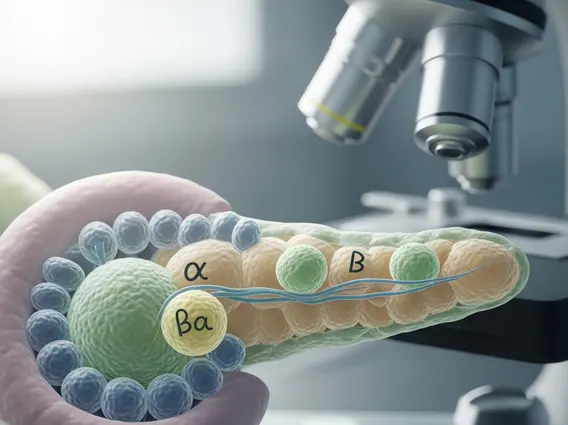
Key Takeaways
- Endocrine Pancreas Cells are specialized cells within the pancreas responsible for hormone production.
- They are primarily located in clusters called the Islets of Langerhans.
- Key cell types include alpha, beta, delta, PP, and epsilon cells, each secreting distinct hormones.
- These cells produce vital hormones like insulin, glucagon, and somatostatin, which regulate blood sugar.
- Dysfunction of these cells can lead to metabolic disorders such as diabetes.
What is an Endocrine Pancreas Cell?
An Endocrine Pancreas Cell refers to a specialized cell type found within the pancreas that is responsible for producing and secreting hormones directly into the bloodstream. Unlike the exocrine pancreas, which produces digestive enzymes, the endocrine portion of the pancreas is dedicated to metabolic regulation. These cells are primarily organized into small clusters known as the Islets of Langerhans, which are scattered throughout the pancreatic tissue. The primary function of these cells is to monitor blood glucose levels and release appropriate hormones to maintain metabolic balance, ensuring that the body has a stable supply of energy.
Types of Endocrine Pancreas Cells and Their Roles
The pancreas contains several distinct types of endocrine pancreas cells, each with a unique role in hormone production and metabolic regulation. These cells work in concert within the Islets of Langerhans to finely tune the body’s response to nutrient intake and energy demands. Understanding the specific contributions of each cell type is essential to comprehending the overall endocrine pancreas cell function.
The main types of endocrine pancreas cells include:
| Cell Type | Primary Hormone Secreted | Key Role |
|---|---|---|
| Alpha (α) Cells | Glucagon | Raises blood glucose by stimulating the liver to release stored glucose (glycogenolysis) and produce new glucose (gluconeogenesis). |
| Beta (β) Cells | Insulin, Amylin | Lowers blood glucose by promoting glucose uptake by cells, glycogen synthesis in the liver and muscles, and fat storage. Amylin helps regulate post-meal glucose levels. |
| Delta (δ) Cells | Somatostatin | Inhibits the secretion of both insulin and glucagon, modulating their effects and slowing down digestive processes. |
| PP (Gamma/γ) Cells | Pancreatic Polypeptide | Regulates pancreatic exocrine and endocrine secretion, and influences satiety. |
| Epsilon (ε) Cells | Ghrelin | Stimulates appetite and promotes fat storage, though its role in the pancreas is less understood compared to its production in the stomach. |
Hormones Secreted by Endocrine Pancreas Cells
The hormones produced by endocrine pancreas cells are critical regulators of metabolism, particularly glucose homeostasis. These hormones act on various target tissues throughout the body to ensure that blood sugar levels remain within a healthy range, preventing both hyperglycemia (high blood sugar) and hypoglycemia (low blood sugar).
- Insulin: Produced by beta cells, insulin is the primary hormone responsible for lowering blood glucose. It facilitates the uptake of glucose from the blood into cells for energy or storage as glycogen in the liver and muscles, and as fat in adipose tissue.
- Glucagon: Secreted by alpha cells, glucagon counteracts the effects of insulin by raising blood glucose levels. It primarily acts on the liver to stimulate the breakdown of glycogen (glycogenolysis) and the synthesis of new glucose from non-carbohydrate sources (gluconeogenesis).
- Somatostatin: Released by delta cells, somatostatin acts locally within the islets to inhibit the secretion of both insulin and glucagon. It also slows down the absorption of nutrients from the gastrointestinal tract, contributing to overall metabolic regulation.
- Pancreatic Polypeptide: Originating from PP cells, this hormone helps regulate digestive processes, including the secretion of pancreatic enzymes and gallbladder contraction, and may play a role in satiety.
- Ghrelin: While primarily known for its production in the stomach, ghrelin is also produced by epsilon cells in the pancreas. It is often referred to as the “hunger hormone” due to its role in stimulating appetite and promoting fat storage.



















