Encephalitis
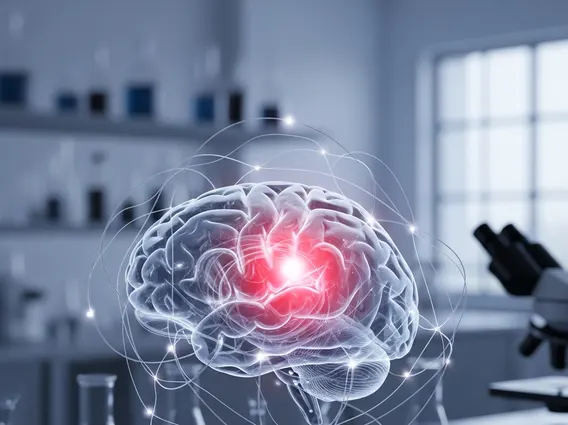
Encephalitis is a rare but serious inflammation of the brain, often caused by viral infections. It can affect anyone, though certain groups, such as young children and older adults, may be more vulnerable.
Key Takeaways
- Encephalitis is brain inflammation, primarily caused by viral infections, leading to neurological dysfunction.
- Symptoms vary but can include fever, headache, confusion, seizures, and personality changes.
- Diagnosis involves imaging, lumbar puncture, and laboratory tests to identify the underlying cause.
- Treatment focuses on supportive care, antiviral medications for specific viral causes, and managing complications.
- Early recognition and prompt medical intervention are crucial for improving outcomes and reducing long-term effects.
What is Encephalitis?
Encephalitis refers to an acute inflammation of the brain. This condition can lead to a range of neurological symptoms, from mild flu-like signs to severe complications such as seizures, paralysis, and even coma. It occurs when the brain tissue becomes inflamed, often due to an infection or an autoimmune reaction. While relatively uncommon, it requires immediate medical attention due to its potential for serious and lasting consequences. The global incidence of encephalitis varies significantly by region and pathogen, but it is estimated to affect several hundred thousand people worldwide annually, with viral causes being the most common. (Source: World Health Organization, CDC data on specific outbreaks).
Causes, Symptoms, and Classifications of Encephalitis
The primary causes of encephalitis are viral infections, though bacterial, fungal, parasitic, and autoimmune factors can also be responsible. Common viral culprits include herpes simplex virus (HSV), arboviruses (transmitted by mosquitoes or ticks, such as West Nile virus or Japanese encephalitis virus), enteroviruses, and measles or mumps viruses. In some cases, the immune system mistakenly attacks brain tissue, leading to autoimmune encephalitis.
Encephalitis symptoms can develop rapidly and vary depending on the severity and the affected part of the brain. Initial symptoms often resemble the flu, including fever, headache, and general malaise. As the inflammation progresses, more specific neurological signs may appear. These can include:
- Confusion, disorientation, or altered mental status
- Seizures
- Weakness or paralysis in certain body parts
- Speech or hearing problems
- Personality changes or hallucinations
- Loss of consciousness or coma
Understanding the types of encephalitis is crucial for diagnosis and treatment. Encephalitis can be classified based on its cause (e.g., viral, bacterial, autoimmune) or its pattern of spread (e.g., primary encephalitis, where the virus directly infects the brain, or secondary/post-infectious encephalitis, which occurs as an immune reaction following an infection elsewhere in the body). For instance, Herpes Simplex Encephalitis (HSE) is a severe form caused by HSV, while Japanese Encephalitis is a significant public health concern in parts of Asia, transmitted by mosquitoes.
Diagnosis and Management of Encephalitis
Diagnosing encephalitis requires a comprehensive approach, as its symptoms can mimic other conditions. Physicians typically begin with a physical examination and a review of the patient’s medical history. Diagnostic tests are essential for confirming the diagnosis and identifying the underlying cause. These may include:
- Lumbar Puncture (Spinal Tap): To analyze cerebrospinal fluid (CSF) for signs of infection or inflammation.
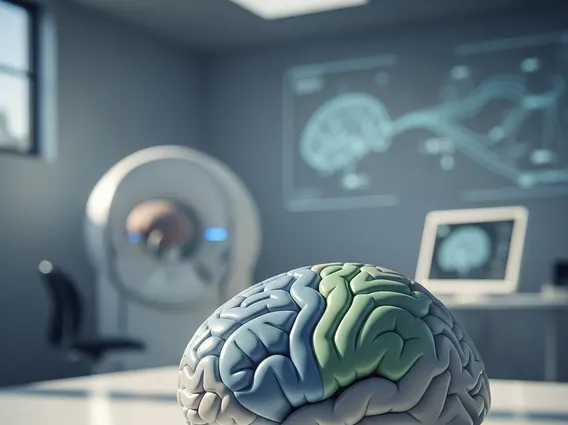
- Brain Imaging: MRI or CT scans can detect brain swelling, bleeding, or other abnormalities.
- Electroencephalogram (EEG): Measures brain electrical activity to detect seizures or abnormal brain patterns.
- Blood Tests: To identify antibodies against specific viruses or other pathogens.
How is Encephalitis Treated?
Treatment for encephalitis focuses on managing symptoms, reducing inflammation, and targeting the underlying cause. For viral encephalitis, antiviral medications, such as acyclovir for herpes simplex virus, are often administered promptly. In cases of autoimmune encephalitis, corticosteroids or other immunosuppressants may be used to calm the immune system. Supportive care is a critical component of management, which includes ensuring adequate hydration and nutrition, managing fever, and controlling seizures. Patients with severe cases may require hospitalization in an intensive care unit for close monitoring and respiratory support. Rehabilitation therapy, including physical, occupational, and speech therapy, is often necessary during recovery to address any lingering neurological deficits and help patients regain function.
It is important to note that information regarding alternative or complementary therapies for encephalitis is supportive only and does not replace conventional medical treatment. Always consult with a qualified healthcare professional for diagnosis and treatment of encephalitis.