Embryo
The journey of human life begins with a single cell, which rapidly transforms into a complex organism. Understanding the early stages of development is crucial for comprehending human biology and reproductive health.
Key Takeaways
- An embryo is the early developmental stage of an organism, typically from fertilization until the end of the eighth week in humans.
- Human embryo formation involves rapid cell division, differentiation, and the establishment of major body axes.
- Early embryo facts highlight a period of intense cellular activity and vulnerability to environmental factors.
- Embryo development stages progress from a zygote through morula, blastocyst, and gastrula, laying the groundwork for all organ systems.
- This critical phase is characterized by significant growth and the initial formation of vital structures.
What is an Embryo?
An Embryo refers to the early developmental stage of a eukaryotic organism. In humans, this period typically spans from the moment of fertilization until the end of the eighth week of gestation. During this crucial phase, the single-celled zygote undergoes rapid cell division, differentiation, and organization to form a multicellular structure with distinct tissues and rudimentary organs. This initial stage is fundamental for establishing the basic body plan and the foundation for all future development.
The process of human embryo formation begins when a sperm fertilizes an egg, creating a zygote. This zygote then embarks on a series of mitotic divisions, increasing its cell count exponentially. These early cells, known as blastomeres, are totipotent, meaning they have the potential to develop into any cell type, including the placenta. As development progresses, cells begin to specialize, forming the three primary germ layers—ectoderm, mesoderm, and endoderm—which will give rise to all the tissues and organs of the body. This intricate process is tightly regulated by genetic programming and environmental cues, ensuring precise development.
Embryo Development Stages
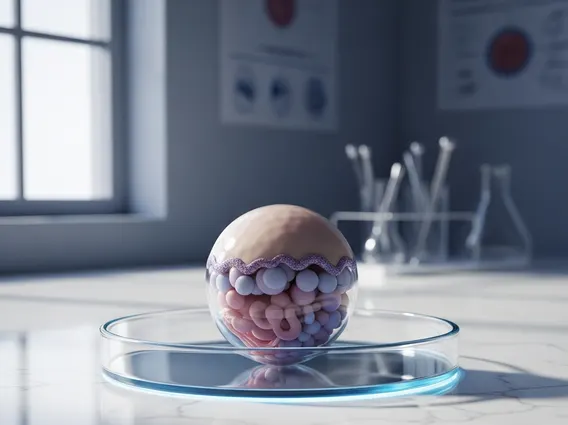
The journey through the embryo development stages is a remarkable sequence of events, each critical for the formation of a viable organism. Following fertilization, the zygote undergoes cleavage, a series of rapid mitotic divisions without significant growth, leading to a ball of cells called a morula. This typically occurs within the first few days post-fertilization. The morula then develops into a blastocyst, characterized by an inner cell mass (which will form the embryo) and an outer layer of cells called the trophoblast (which contributes to the placenta). Implantation of the blastocyst into the uterine wall usually occurs around 6-12 days after fertilization, marking a crucial step for continued development.
After implantation, the blastocyst undergoes gastrulation, a pivotal event where the three primary germ layers are established. These layers are:
- Ectoderm: Forms the nervous system, skin, hair, and nails.
- Mesoderm: Develops into muscles, bones, connective tissue, circulatory system, and kidneys.
- Endoderm: Gives rise to the lining of the digestive and respiratory tracts, as well as organs like the liver and pancreas.
This process of germ layer formation is fundamental, as it dictates the blueprint for all subsequent tissue and organ development.
Following gastrulation, organogenesis begins, where these germ layers differentiate further to form specific organs and systems. For instance, the neural tube, precursor to the brain and spinal cord, forms from the ectoderm. By the end of the eighth week, which marks the transition from embryo to fetus, most major organ systems have begun to form, though they are not yet fully functional. This period of early embryo facts underscores the rapid and complex transformations occurring, making it a highly sensitive time for developmental anomalies. According to the Centers for Disease Control and Prevention (CDC), approximately 3% of babies are born with a birth defect, many of which originate during these critical early embryonic stages due to genetic or environmental factors. (Source: CDC) The meticulous orchestration of these stages ensures the proper development of a new individual, highlighting the complexity and precision of human biology.