
Electromagnetic Field
An Electromagnetic Field refers to the physical field produced by electrically charged objects. Understanding its nature is crucial in various medical and clinical contexts, particularly concerning its interaction with biological systems and potential health implications.
Key Takeaways
- Electromagnetic Fields (EMFs) are invisible areas of energy associated with electric and magnetic forces.
- They are generated by both natural phenomena and human-made technologies, varying in frequency and intensity.
- EMFs interact with biological tissues by inducing electric currents, with effects depending on their frequency and strength.
- While high-frequency EMFs (ionizing radiation) are known to cause cellular damage, the health effects of low-frequency, non-ionizing EMFs are a subject of ongoing scientific research.
- Current evidence suggests that typical environmental exposure to non-ionizing EMFs does not pose a significant health risk, but research continues.
What is an Electromagnetic Field (EMF)?
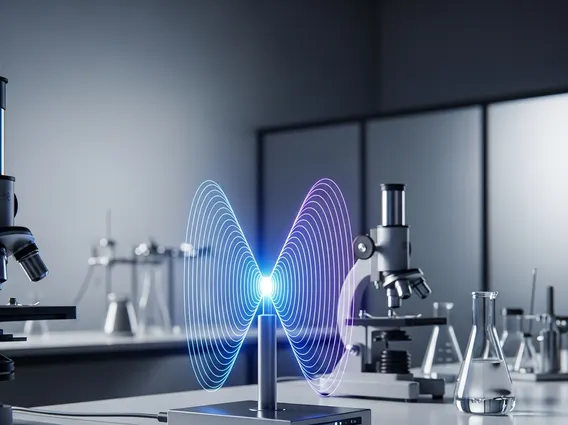
An Electromagnetic Field (EMF) is an area of energy created by moving electric charges, encompassing both electric and magnetic components. These fields are invisible and propagate as waves, carrying energy through space at the speed of light. They are fundamental to many natural processes, such as the Earth’s magnetic field, lightning, and sunlight, and are also integral to modern technology. From power lines and household appliances to radio waves and medical imaging devices, human activities generate a wide spectrum of EMFs. Understanding what is Electromagnetic Field involves recognizing that these fields are characterized by their frequency (the number of oscillations per second, measured in Hertz) and wavelength (the distance between two consecutive peaks of the wave), which together determine their energy and how they interact with matter. The concept of an Electromagnetic field explained involves considering the continuous interplay between oscillating electric and magnetic fields that are perpendicular to each other and to the direction of wave propagation.
How Do Electromagnetic Fields Work?
Electromagnetic Fields operate through the interplay of their electric and magnetic components. An electric field is produced by stationary electric charges, while a magnetic field is produced by moving electric charges (electric currents). When an electric charge oscillates, it creates a changing electric field, which in turn generates a changing magnetic field. This continuous cycle results in the propagation of an electromagnetic wave. The way these fields work involves their ability to transfer energy without a medium, allowing them to travel through a vacuum. When an Electromagnetic Field encounters biological tissue, the oscillating electric and magnetic components can induce weak electric currents within the body. The strength and frequency of these induced currents depend on the intensity and frequency of the external EMF, as well as the conductivity of the tissue.
Potential Health Effects of Electromagnetic Fields
The potential health effects of Electromagnetic Fields are a significant area of clinical and public health research. EMFs are broadly categorized into two types based on their frequency and energy:
- Ionizing EMFs: These are high-frequency fields (e.g., X-rays, gamma rays) with enough energy to break chemical bonds and ionize atoms, leading to cellular and DNA damage. Their harmful effects are well-established, and exposure is carefully regulated in medical and industrial settings to minimize risk.
- Non-ionizing EMFs: These are low-to-intermediate frequency fields (e.g., radiofrequency, power frequency) that do not have enough energy to ionize atoms. Sources include power lines, household appliances, mobile phones, Wi-Fi, and MRI machines. The primary known biological effect of exposure to strong non-ionizing EMFs is tissue heating, which can be significant at very high power levels, such as those used in industrial applications or some medical procedures.
Regarding non-ionizing EMFs, extensive research has been conducted to assess their long-term health impacts, particularly concerning everyday environmental exposures. Organizations like the World Health Organization (WHO) and the Centers for Disease Control and Prevention (CDC) continuously review scientific evidence. While some studies have explored potential links between prolonged exposure to certain non-ionizing EMFs and health concerns such as certain cancers (e.g., childhood leukemia near power lines) or neurological symptoms like headaches and fatigue, the scientific consensus is that current evidence does not establish a causal link for typical environmental exposures. For instance, the WHO states that “current evidence does not confirm the existence of any health consequences from exposure to low level electromagnetic fields.” (Source: World Health Organization, “Electromagnetic fields and public health: EMF effects,” Fact Sheet No. 322, October 2014). Further research is ongoing to fully understand all potential interactions between EMFs and human health, including subtle non-thermal effects.



















