Electrodesiccation
Electrodesiccation is a widely used dermatological procedure that employs high-frequency electrical current to remove various benign and some malignant skin lesions. This technique is valued for its precision and effectiveness in treating superficial skin growths.
Key Takeaways
- Electrodesiccation is a common dermatological technique using electrical current to dry out and destroy superficial skin lesions.
- The procedure involves applying a high-frequency alternating current to dehydrate targeted tissue, leading to its destruction.
- It is effective for treating a range of skin conditions, including warts, skin tags, and certain precancerous lesions.
- Benefits include minimal invasiveness, quick treatment times, and generally good cosmetic outcomes.
- Local anesthesia is typically used to ensure patient comfort during the procedure.
What is Electrodesiccation?
Electrodesiccation refers to a medical procedure that utilizes a high-frequency alternating electrical current to dehydrate and destroy superficial tissue. This technique is commonly employed in dermatology for the removal of various skin lesions. The process involves applying a small electrical probe directly to the skin lesion, causing the cells within the lesion to dry out and coagulate, effectively destroying the abnormal tissue.
This method is distinct from electrocautery, which uses heat generated by a direct current to burn tissue, and electrofulguration, which uses a spark that does not directly touch the skin. Electrodesiccation is particularly effective for lesions that are raised or superficial, allowing for precise targeting and minimal damage to surrounding healthy skin.
How Does Electrodesiccation Work?
The mechanism of action for electrodesiccation involves the application of a high-frequency, low-voltage electrical current to the targeted tissue. When the electrode touches the skin lesion, the electrical energy causes rapid heating of the intracellular and extracellular water within the cells. This rapid heating leads to the evaporation of water, effectively dehydrating the cells and causing them to shrivel and die. The desiccated tissue then forms a crust or scab, which eventually falls off, revealing new, healthy skin underneath.
The depth of tissue destruction can be precisely controlled by adjusting the power settings of the electrodesiccation unit and the duration of contact. This controlled dehydration makes it a safe and efficient method for removing a variety of superficial skin growths without extensive bleeding or deep tissue damage.
Electrodesiccation Procedure, Uses, and Benefits
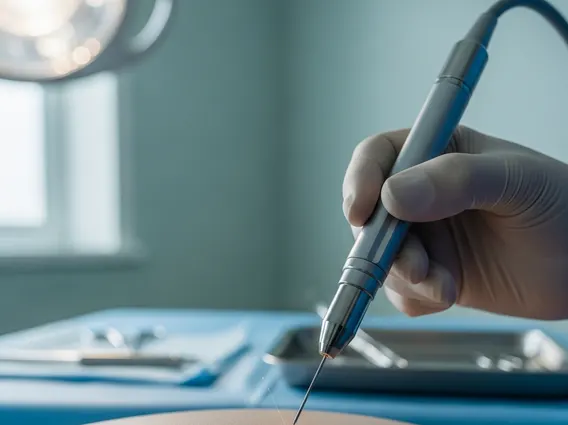
The electrodesiccation procedure explained typically begins with the administration of a local anesthetic to numb the treatment area, ensuring patient comfort. Once the area is anesthetized, the dermatologist uses a specialized device with a fine, needle-like electrode. The electrode is then touched to the skin lesion, and a controlled burst of high-frequency electrical current is delivered. This process is often repeated several times until the lesion is completely desiccated. After the procedure, the treated area will form a crust or scab, which should be kept clean and allowed to heal naturally over one to three weeks, depending on the size and location of the lesion.
The primary electrodesiccation uses and benefits stem from its effectiveness, precision, and minimal invasiveness. It is a versatile tool in dermatological practice, suitable for a wide array of benign and some superficial malignant skin conditions. The benefits include a relatively quick procedure time, minimal bleeding, and generally good cosmetic results, especially for smaller lesions. It is also a cost-effective treatment option compared to some other surgical methods.
Common uses for electrodesiccation include the removal of:
- Warts: Viral skin growths that can appear anywhere on the body.
- Skin Tags: Small, benign growths that often occur in skin folds.
- Actinic Keratoses: Precancerous lesions caused by sun exposure.
- Seborrheic Keratoses: Common, benign, wart-like growths that appear with age.
- Molluscum Contagiosum: A viral skin infection causing small, pearl-like bumps.
- Small Basal Cell Carcinomas: Certain superficial forms of this common skin cancer.
While highly effective for these conditions, it is crucial for a qualified dermatologist to assess each lesion to determine if electrodesiccation is the most appropriate treatment option.