Electrocautery
Electrocautery is a widely utilized surgical technique that employs heat to achieve hemostasis (stop bleeding) and precisely cut or remove tissue. It is a fundamental tool in various medical disciplines, contributing to safer and more efficient surgical procedures.
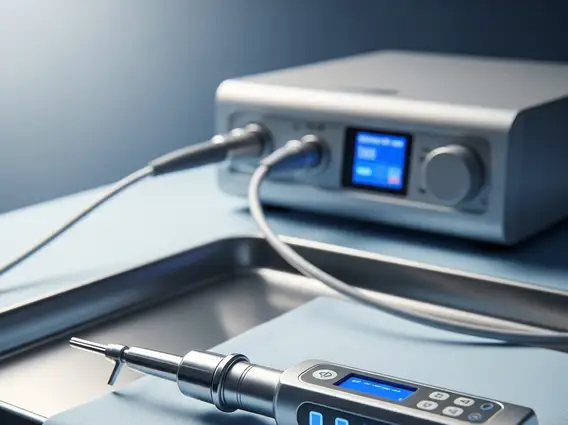
Key Takeaways
- Electrocautery uses direct current to heat a probe, applying localized heat to tissue for cutting or coagulation.
- It is distinct from electrosurgery, where current passes through the patient’s body.
- Primary applications include stopping bleeding, cutting tissue, and removing small growths in various surgical specialties.
- Benefits include reduced blood loss, improved surgical visibility, and precision.
- Potential risks involve thermal injury to surrounding tissues and the generation of surgical smoke.
What is Electrocautery?
Electrocautery refers to a surgical technique that uses heat generated by a direct electrical current to destroy or coagulate tissue. Unlike electrosurgery, where the patient is part of an electrical circuit, in electrocautery, the current does not pass through the patient’s body. Instead, the heat is produced at the tip of a specialized instrument, often a fine wire loop or probe, which is then applied directly to the target tissue. This localized application of heat causes cellular proteins to denature and coagulate, effectively sealing blood vessels to prevent bleeding or vaporizing tissue for precise cutting and removal.
This method is valued for its ability to provide immediate hemostasis, which is crucial for maintaining a clear surgical field and reducing blood loss during operations. Its precision also allows surgeons to target specific areas while minimizing damage to surrounding healthy tissue, making it an indispensable tool in modern surgical practice across numerous specialties.
How Electrocautery Works and Its Surgical Uses
The mechanism of electrocautery involves a handheld device with an electrically heated element. A direct current is passed through a resistive wire at the tip of the instrument, causing it to heat up rapidly. When this heated tip touches biological tissue, it transfers thermal energy, leading to various effects depending on the temperature and duration of contact. For instance, lower temperatures or brief contact can cause coagulation, sealing small blood vessels, while higher temperatures or longer contact can vaporize tissue, allowing for precise incisions or removal of growths.
The process of how electrocautery works allows for sterile and efficient procedures. Electrocautery uses in surgery are diverse, spanning many medical fields. Common applications include:
- Hemostasis: Sealing small blood vessels to prevent or stop bleeding during surgical incisions.
- Tissue Dissection: Precisely cutting through soft tissues with minimal bleeding.
- Removal of Lesions: Excising warts, skin tags, polyps, and other benign or superficial lesions.
- Ophthalmology: Used in delicate eye surgeries for precise coagulation.
- Dermatology: For various skin procedures, including biopsies and removal of superficial skin cancers.
- ENT (Ear, Nose, and Throat): Managing bleeding in nasal passages or during tonsillectomies.
Its versatility and effectiveness make it a cornerstone in both minor office procedures and complex operating room environments.
Benefits and Risks of Electrocautery
Electrocautery offers several significant advantages that have cemented its role in modern surgery. The immediate coagulation of blood vessels leads to significantly reduced intraoperative blood loss, which can decrease the need for blood transfusions and improve patient outcomes. The ability to precisely cut and coagulate tissue simultaneously also contributes to a clearer surgical field, enhancing visibility for the surgeon and potentially shortening operating times. Furthermore, the heat generated by the cautery tip can help sterilize the immediate surgical area, potentially lowering the risk of infection.
Despite its numerous benefits, there are inherent electrocautery risks and benefits that must be considered. The primary risk is thermal injury to surrounding healthy tissue if the device is not used with precision or if contact is prolonged. This can lead to delayed healing, scarring, or unintended damage to vital structures. Another concern is the generation of surgical smoke, or “plume,” which is produced when tissue is vaporized. This smoke can contain cellular debris, viruses, and toxic gases, posing potential respiratory hazards to both the patient and the surgical team. Proper ventilation and smoke evacuation systems are essential to mitigate this risk. Other potential, though less common, risks include burns to the patient or surgical staff from improper handling, and interference with electronic implants like pacemakers, although this is more frequently associated with electrosurgery rather than true electrocautery.