Electroacupuncture
Electroacupuncture is a contemporary therapeutic technique that integrates traditional acupuncture with mild electrical stimulation, aiming to enhance its therapeutic effects. It is primarily used to address various health conditions, particularly those involving pain and neurological dysfunction.
Key Takeaways
- Electroacupuncture combines traditional acupuncture needles with a gentle electrical current to stimulate specific acupoints.
- The electrical stimulation can enhance the release of natural pain-relieving chemicals and improve local circulation.
- It is often used for pain management, muscle spasms, and certain neurological conditions.
- Potential benefits include enhanced pain relief and muscle relaxation, while risks are generally minor, such as bruising or discomfort.
- A key difference from traditional acupuncture lies in the consistent, measurable electrical stimulation compared to manual needle manipulation.
What is Electroacupuncture?
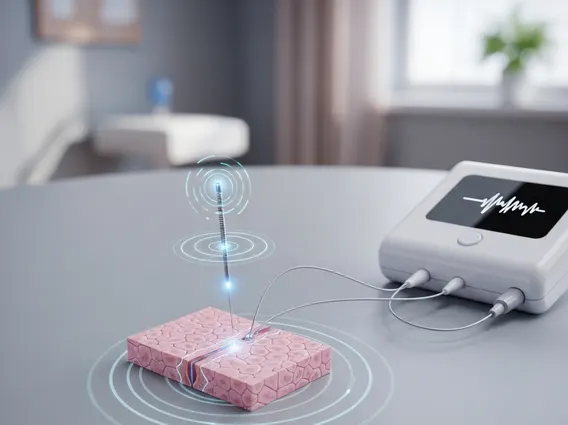
Electroacupuncture refers to a form of acupuncture where a small electric current is passed between pairs of acupuncture needles. This technique builds upon the principles of traditional Chinese medicine by adding a modern element of electrical stimulation to specific acupoints on the body. The electrical current is typically low-frequency and low-intensity, delivered through a device connected to the needles after they have been inserted into the skin. This method aims to provide a more consistent and stronger stimulation to the acupoints than manual manipulation alone, potentially amplifying the therapeutic response.
This approach is increasingly recognized for its potential in various clinical applications, particularly in pain management and rehabilitation. It is often employed when a stronger stimulus is required or when the practitioner seeks to achieve a specific physiological response through continuous electrical input rather than intermittent manual stimulation.
How Electroacupuncture Works
The mechanism behind how does electroacupuncture work involves the synergistic effects of needle placement and electrical current. After the acupuncture needles are inserted into specific acupoints, they are connected to an electroacupuncture device. This device delivers a gentle, pulsating electrical current, typically ranging from 1 to 100 Hz, to the needles. The current stimulates the nerve fibers located at the acupoints, which then send signals to the brain and spinal cord.
This stimulation is believed to trigger several physiological responses. It can promote the release of endogenous opioids, such as endorphins and enkephalins, which are natural pain-relieving chemicals produced by the body. Additionally, the electrical current can increase local blood circulation, reduce inflammation, and relax muscle spasms. The continuous and controlled electrical stimulation allows for a sustained therapeutic effect, which can be particularly beneficial for chronic conditions.
Benefits, Risks, and Differences from Traditional Acupuncture
Understanding electroacupuncture benefits and risks is crucial for individuals considering this treatment. The benefits often include enhanced pain relief, particularly for chronic musculoskeletal pain, neuropathic pain, and conditions like osteoarthritis. It can also be effective in reducing muscle spasms, improving motor function in certain neurological disorders, and alleviating nausea and vomiting. The consistent electrical stimulation can often lead to more profound and longer-lasting effects compared to traditional manual acupuncture for some conditions.
However, like any medical procedure, there are potential risks, though they are generally minor. These can include:
- Minor bruising or bleeding at the needle insertion sites.
- Temporary discomfort or a tingling sensation during treatment.
- Skin irritation or mild burns if the electrical current is too high or electrodes are improperly placed.
Electroacupuncture is contraindicated for individuals with pacemakers, implanted defibrillators, or other electronic medical devices, as the electrical current could interfere with their function. It is also generally avoided during pregnancy, especially over certain abdominal or lumbosacral points, and for individuals with epilepsy or severe heart conditions without careful medical consultation.
The primary distinction in electroacupuncture vs traditional acupuncture lies in the method of stimulation. Traditional acupuncture relies solely on the insertion and manual manipulation of needles by the practitioner to elicit a therapeutic response. This manipulation might involve twirling, lifting, or thrusting the needles. Electroacupuncture, conversely, uses an external device to deliver a continuous, measurable, and adjustable electrical current through the needles. This allows for a more precise control over the intensity and frequency of stimulation, which can be sustained for the entire duration of the treatment session without constant manual intervention.
Here is a comparison highlighting key differences:
| Feature | Electroacupuncture | Traditional Acupuncture |
|---|---|---|
| Stimulation Method | Needles connected to an electrical device delivering current. | Needles manually manipulated by the practitioner. |
| Stimulus Control | Precise, measurable, and adjustable intensity/frequency. | Dependent on practitioner’s manual technique and skill. |
| Consistency | Continuous and sustained electrical stimulation. | Intermittent stimulation based on manual manipulation. |
| Target Conditions | Often used for chronic pain, muscle spasms, neurological conditions. | Broad range of conditions, emphasis on holistic balance. |
While both methods aim to stimulate acupoints and restore balance, electroacupuncture offers an advantage in delivering a consistent and quantifiable stimulus, which can be particularly beneficial for certain conditions requiring stronger or prolonged activation of specific pathways.
Disclaimer: The information provided in this article is for educational purposes only and is not intended as a substitute for professional medical advice, diagnosis, or treatment. Always seek the advice of your physician or other qualified health provider with any questions you may have regarding a medical condition.