
Hemorrhagic Cerebrovascular Accident
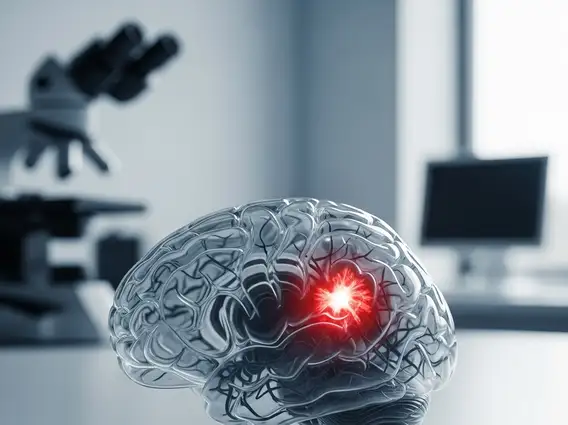
Hemorrhagic Cerebrovascular Accident is a severe medical emergency involving bleeding in or around the brain. Understanding its nature, causes, and treatment is crucial for timely intervention and improved patient outcomes.
Key Takeaways
- Hemorrhagic Cerebrovascular Accident is a type of stroke caused by bleeding within or around the brain.
- Common causes include high blood pressure, aneurysms, and arteriovenous malformations.
- Symptoms often appear suddenly and can include severe headache, weakness, and vision changes.
- Immediate medical attention is vital for diagnosis and treatment.
- Treatment focuses on controlling bleeding, reducing pressure, and supporting recovery.
What is Hemorrhagic Cerebrovascular Accident?
A Hemorrhagic Cerebrovascular Accident (HCA) refers to a type of stroke that occurs when a blood vessel in the brain ruptures, causing bleeding into the surrounding brain tissue or spaces. This bleeding can damage brain cells by depriving them of oxygen and nutrients, and by increasing pressure within the skull. It is a life-threatening condition requiring immediate medical intervention.
A hemorrhagic stroke is distinct from an ischemic stroke, which is caused by a blockage of blood flow to the brain. While ischemic strokes are more common, hemorrhagic strokes are often more severe and carry a higher mortality rate. According to the Centers for Disease Control and Prevention (CDC), about 13% of all strokes are hemorrhagic strokes, yet they account for a disproportionately higher percentage of stroke-related deaths. (Source: CDC, Stroke Facts)
Causes and Symptoms of Hemorrhagic CVA
Understanding the causes of brain hemorrhage is essential for prevention and risk management. The most common cause is uncontrolled high blood pressure (hypertension), which can weaken blood vessel walls over time, making them prone to rupture. Other significant causes include:
- Aneurysms: Weak, bulging spots in blood vessel walls that can burst.
- Arteriovenous Malformations (AVMs): Abnormal tangles of blood vessels that bypass normal brain tissue and can rupture.
- Anticoagulant Use: Medications that thin the blood can increase the risk of bleeding.
- Head Trauma: Severe injuries to the head can cause bleeding within the brain.
- Amyloid Angiopathy: A condition where amyloid proteins build up in the brain’s small arteries, making them fragile.
The symptoms of hemorrhagic CVA often appear suddenly and can vary depending on the location and severity of the bleeding. Recognizing these signs quickly is critical for seeking emergency care. Common symptoms include a sudden, severe headache, often described as the “worst headache of my life,” sudden weakness or numbness on one side of the body (face, arm, or leg), difficulty speaking or understanding speech (aphasia), vision problems in one or both eyes, loss of balance or coordination, nausea and vomiting, drowsiness, lethargy, or loss of consciousness, and seizures.
Hemorrhagic Stroke Treatment Options
Immediate and specialized medical care is paramount for hemorrhagic stroke treatment. The primary goals are to control the bleeding, reduce pressure on the brain, and manage any complications. Treatment typically begins in an emergency setting and may involve medication management, such as drugs to lower blood pressure and prevent further bleeding, medications to reverse the effects of blood thinners, if applicable, and pain relievers for headaches and anti-seizure medications if seizures occur.
Surgical intervention may also be necessary. A craniotomy is a procedure where a section of the skull is temporarily removed to access and remove the blood clot, repair the ruptured vessel, or clip an aneurysm. For aneurysms, coiling involves guiding a catheter through blood vessels to the aneurysm, where platinum coils are deployed to fill the aneurysm and block blood flow, preventing rupture. Stereotactic radiosurgery, a non-invasive radiation therapy, is used for certain AVMs or deep-seated hemorrhages that are difficult to reach surgically.
Following the initial treatment, patients often require extensive rehabilitation to recover lost functions. This may include physical therapy, occupational therapy, and speech therapy, tailored to the individual’s specific needs and the extent of brain damage. The recovery process can be long and challenging, but dedicated rehabilitation can significantly improve outcomes.



















