Compound
In the realm of chemistry, a compound is a fundamental substance formed when two or more different chemical elements are chemically bonded together. These substances are ubiquitous, forming the basis of everything from the air we breathe to the complex molecules within living organisms.
Key Takeaways
- A compound is a pure chemical substance comprising two or more distinct elements chemically bonded in a fixed ratio.
- Compounds possess unique chemical and physical properties that are entirely different from those of their constituent elements.
- Major categories include ionic, covalent, and metallic compounds, each characterized by specific types of chemical bonds.
- They are essential to all forms of matter and play critical roles in biological processes, industrial applications, and everyday life.
What is a Compound?
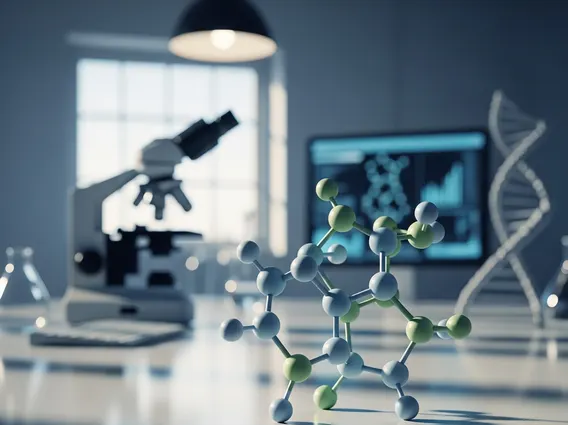
A compound is a substance formed when two or more different chemical elements are chemically bonded together in a fixed ratio. This chemical combination results in a new substance with properties distinct from those of its individual constituent elements. For instance, water (H₂O) is a compound made from hydrogen and oxygen, but its properties are vastly different from gaseous hydrogen and oxygen. The formation of a compound involves chemical reactions where atoms share or transfer electrons to achieve stability, leading to the creation of molecules or crystal lattices.
The precise arrangement and bonding of atoms define the unique characteristics of each compound, influencing its melting point, boiling point, density, and reactivity. Understanding a compound definition and uses is crucial across various scientific disciplines, as compounds are the building blocks of virtually all matter and are central to biological systems, industrial processes, and technological advancements.
Types of Chemical Compounds
The vast array of compounds can be broadly classified based on the nature of the chemical bonds holding their atoms together. These classifications help in predicting their physical and chemical behaviors. The primary types of compounds in chemistry include ionic, covalent, and metallic compounds.
- Ionic Compounds: These are formed when atoms transfer electrons, creating positively charged ions (cations) and negatively charged ions (anions) that are attracted to each other. They typically form between a metal and a nonmetal. A common example is sodium chloride (NaCl), or table salt.
- Covalent Compounds: Formed when atoms share electrons to achieve a stable electron configuration. These compounds typically occur between two nonmetals. Water (H₂O), carbon dioxide (CO₂), and glucose (C₆H₁₂O₆) are classic examples of covalent compounds.
- Metallic Compounds: While often considered alloys (mixtures of metals), some intermetallic compounds exist where different metal atoms are chemically bonded in a fixed ratio, exhibiting properties distinct from the individual metals. These are characterized by a “sea” of delocalized electrons.
Each type of compound exhibits unique structural and behavioral patterns, which dictate their roles in various chemical and biological systems. For example, the strong electrostatic forces in ionic compounds typically result in high melting points and good electrical conductivity when molten or dissolved.
Examples and Applications of Compounds
Compounds are integral to every aspect of our lives, from the air we breathe to the medicines we take. There are countless examples of common compounds that illustrate their diverse applications and fundamental importance. Water (H₂O), perhaps the most vital compound, is essential for all known forms of life and is used extensively in agriculture, industry, and domestic settings.
Carbon dioxide (CO₂), a covalent compound, is crucial for photosynthesis in plants and plays a significant role in Earth’s climate. Sodium chloride (NaCl) is not only a dietary staple but also used in various industrial processes, including water treatment and chemical manufacturing. Organic compounds, such as carbohydrates, proteins, and lipids, form the basis of all living organisms and are fundamental to biochemistry and medicine. For instance, glucose (C₆H₁₂O₆) is a primary energy source for cells, while complex proteins serve as enzymes, structural components, and signaling molecules.
In medicine, pharmaceutical compounds are specifically designed molecules that interact with biological systems to treat diseases. Aspirin (acetylsalicylic acid), for example, is a well-known compound used for pain relief and anti-inflammatory effects. The development and synthesis of new compounds are at the forefront of scientific research, driving innovations in materials science, energy, and healthcare. According to the Chemical Abstracts Service (CAS), the total number of unique chemical substances, including compounds, registered in their database surpassed 200 million in 2023, highlighting the immense diversity and ongoing discovery in chemistry.