Mediastinoscopy
Mediastinoscopy is a crucial diagnostic and staging procedure in thoracic medicine. It involves the surgical examination of the mediastinum, the central compartment of the chest cavity located between the lungs.
Key Takeaways
- Mediastinoscopy is a minimally invasive surgical procedure used to examine the mediastinum.
- It primarily aids in diagnosing and staging lung cancer, as well as investigating other mediastinal conditions.
- The procedure involves making a small incision, typically above the sternum, to insert a mediastinoscope.
- Biopsies of lymph nodes or masses are taken for pathological analysis.
- While generally safe, potential risks include bleeding, infection, and injury to surrounding structures.
What is Mediastinoscopy?
What is mediastinoscopy is a surgical procedure that allows direct visualization and biopsy of lymph nodes and masses within the mediastinum. This central chest region houses vital organs such as the heart, trachea, esophagus, and major blood vessels. The primary purpose of this diagnostic tool is to accurately stage lung cancer, determine the presence of other cancers like lymphoma, or investigate the cause of enlarged lymph nodes or masses identified on imaging scans. According to the American Cancer Society, accurate staging is critical for determining the most effective treatment plan for lung cancer patients, with mediastinoscopy playing a key role in this assessment, particularly for evaluating N2/N3 nodal disease. This precise evaluation helps clinicians tailor therapies, potentially avoiding more aggressive treatments if the disease is localized or guiding systemic therapies if it has spread.
This procedure is considered the gold standard for evaluating mediastinal lymph nodes, especially when non-invasive methods like CT scans or PET scans yield inconclusive results. By obtaining tissue samples directly, pathologists can provide definitive diagnoses, which is essential for guiding subsequent therapeutic decisions, whether it involves surgery, chemotherapy, or radiation therapy. Its precision in identifying malignant cells in lymph nodes helps avoid unnecessary surgeries for patients whose cancer has spread extensively.
How the Procedure is Performed and Risks
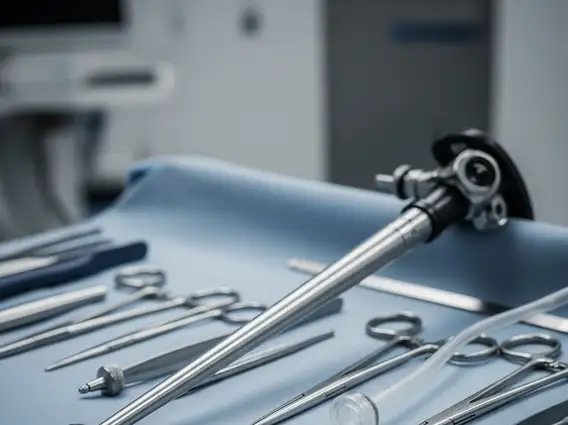
The mediastinoscopy procedure explained involves several key steps, typically performed under general anesthesia. A small incision, usually about 2-3 cm, is made just above the sternal notch (suprasternal). Through this incision, a thin, lighted tube called a mediastinoscope is carefully inserted into the mediastinum. The surgeon then navigates the scope to visualize the lymph nodes and other structures in the paratracheal, subcarinal, and hilar regions. Once suspicious areas are identified, small tissue samples (biopsies) are collected using specialized instruments passed through the scope. These samples are then sent to a pathology lab for microscopic examination. The incision is closed with sutures, and the patient typically recovers in the hospital for a day or two.
Why is mediastinoscopy performed is primarily to obtain tissue for diagnosis and staging, especially for lung cancer. It helps determine if cancer has spread to the mediastinal lymph nodes, which significantly impacts treatment choices. Other reasons include diagnosing sarcoidosis, tuberculosis, lymphoma, or other inflammatory conditions affecting the mediastinum.
The information gathered from a mediastinoscopy is invaluable for oncologists and surgeons. For instance, if mediastinal lymph nodes are found to be cancerous, it often indicates a more advanced stage of lung cancer, which might preclude surgical resection as the primary treatment and instead lead to recommendations for chemotherapy or radiation therapy. Conversely, if the nodes are clear, surgery might be a viable and effective option.
Despite its diagnostic value, mediastinoscopy uses and risks must be carefully considered. While generally safe, potential complications can arise, as with any surgical procedure. Common risks, though rare, include:
- Bleeding: This is the most common complication, usually minor, but can sometimes require transfusion or further intervention.
- Infection: At the incision site or within the mediastinum.
- Injury to surrounding structures: Such as the trachea, esophagus, recurrent laryngeal nerve (leading to hoarseness), or major blood vessels.
- Pneumothorax: Collapse of a lung, which might require a chest tube.
- Anesthesia-related complications: Standard risks associated with general anesthesia.
Patients are thoroughly evaluated before the procedure to minimize these risks, and the benefits of accurate diagnosis and staging often outweigh the potential complications.