Hepatoma
Hepatoma, also known as hepatocellular carcinoma (HCC), is the most common type of primary liver cancer. It originates in the hepatocytes, the main cells of the liver, and represents a significant global health challenge.

Key Takeaways
- Hepatoma is the most prevalent form of primary liver cancer, originating from liver cells.
- Chronic liver diseases, particularly cirrhosis, are major risk factors for developing hepatoma.
- Symptoms often appear in advanced stages and can include abdominal pain, weight loss, and jaundice.
- Diagnosis involves imaging tests, blood markers, and often a liver biopsy for confirmation.
- Early detection is crucial for more effective treatment outcomes.
What is Hepatoma Liver Cancer?
Hepatoma, or hepatocellular carcinoma (HCC), is a malignant tumor that develops in the liver’s primary cells, known as hepatocytes. It is the most common form of primary liver cancer, meaning it starts in the liver itself, rather than spreading from another organ. Understanding what is hepatoma liver cancer is crucial for grasping its impact on health.
Globally, liver cancer is a significant health concern, ranking as the sixth most common cancer and the third leading cause of cancer-related deaths, with HCC accounting for 75-85% of all primary liver cancers. (Source: World Health Organization, 2022 data on cancer). This makes hepatoma disease information vital for public health awareness and medical research. The disease often arises in the context of chronic liver inflammation and damage, leading to a complex disease progression.
Hepatoma Symptoms and Causes
Recognizing hepatoma symptoms causes is essential for early detection and intervention. Unfortunately, early-stage hepatoma often presents with no specific symptoms, making diagnosis challenging until the disease has progressed. When symptoms do appear, they can be non-specific and easily mistaken for other conditions.
Common symptoms of hepatoma include:
- Unexplained weight loss
- Loss of appetite or feeling full after eating a small amount
- Nausea or vomiting
- Upper abdominal pain or discomfort, often on the right side
- Enlarged liver (hepatomegaly), felt as a mass under the ribs
- Jaundice (yellowing of the skin and eyes)
- Swelling in the abdomen (ascites)
- Fatigue and weakness
- Dark urine and pale stools
The primary cause of hepatoma is chronic liver disease, which leads to cirrhosis (scarring of the liver). Major risk factors include chronic infection with hepatitis B virus (HBV) or hepatitis C virus (HCV), excessive alcohol consumption, non-alcoholic fatty liver disease (NAFLD), and exposure to certain toxins like aflatoxins. These factors contribute to ongoing liver cell damage and regeneration, increasing the likelihood of cancerous mutations.
How Hepatoma is Diagnosed
Determining how is hepatoma diagnosed typically involves a combination of imaging studies, blood tests, and sometimes a liver biopsy. Given that many patients with hepatoma have underlying chronic liver disease, regular screening is often recommended for high-risk individuals, which can lead to earlier detection.
Diagnostic methods include:
- Blood Tests: These may include liver function tests and a test for alpha-fetoprotein (AFP), a tumor marker that can be elevated in many cases of hepatoma.
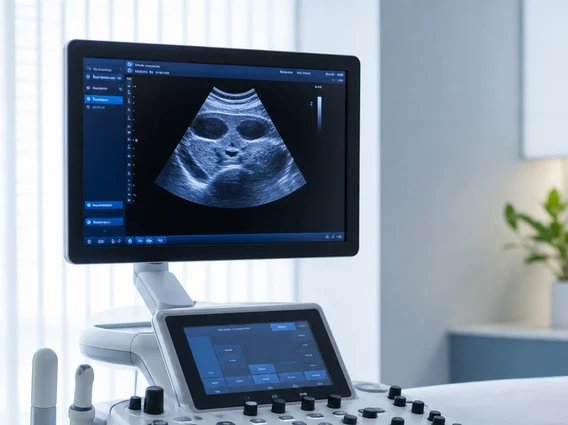
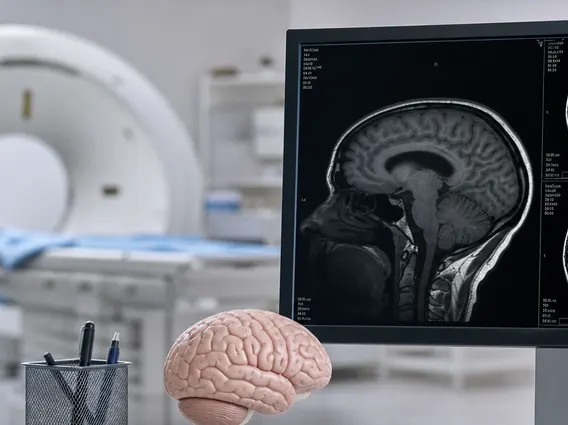
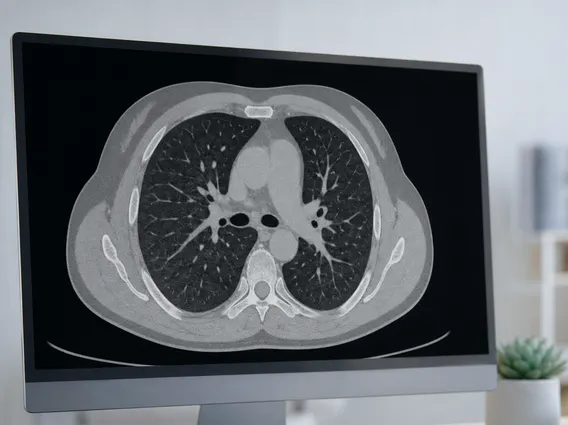
- Imaging Tests: Techniques such as ultrasound, computed tomography (CT) scans, and magnetic resonance imaging (MRI) are used to visualize the liver and identify tumors. These scans can detect the size, number, and location of lesions.
- Liver Biopsy: In some cases, a small sample of liver tissue is removed and examined under a microscope to confirm the presence of cancer cells. This is often considered the definitive diagnostic tool, though it may not always be necessary if imaging and blood tests are highly suggestive of HCC in a high-risk patient.
Early and accurate diagnosis is critical for effective treatment planning and improving patient outcomes. Regular monitoring of individuals with chronic liver conditions allows for timely intervention when hepatoma develops.