Cranial Nerve
Cranial nerves are a vital component of the peripheral nervous system, directly connecting the brain to various parts of the head, neck, and torso. They play a crucial role in transmitting sensory information and controlling motor functions essential for daily life.
Key Takeaways
- Cranial nerves are 12 pairs of nerves that emerge directly from the brain, primarily serving the head and neck.
- They are categorized as sensory, motor, or mixed, performing functions like smell, vision, hearing, taste, and muscle control.
- Understanding cranial nerve anatomy reveals their direct connection to the brainstem and their pathways throughout the body.
- Each nerve has a distinct role, contributing to complex bodily functions, from eye movement to facial expressions and organ regulation.
- Dysfunction in any cranial nerve can lead to specific sensory or motor impairments, highlighting their importance in neurological health.
What is a Cranial Nerve?
A cranial nerve is one of 12 pairs of nerves that originate directly from the brain, unlike spinal nerves which emerge from the spinal cord. These nerves exit the skull through various foramina and fissures, extending to their target organs and tissues. They are fundamental to how we perceive the world and interact with it, governing a wide array of sensory and motor functions.
To understand what are cranial nerves and their functions?, it’s important to recognize their diverse roles. Some cranial nerves are purely sensory, carrying information like smell, sight, and hearing to the brain. Others are purely motor, controlling muscle movements in the face, eyes, tongue, and neck. A third category consists of mixed nerves, which contain both sensory and motor fibers, allowing them to perform dual functions.
Cranial Nerve Anatomy Basics
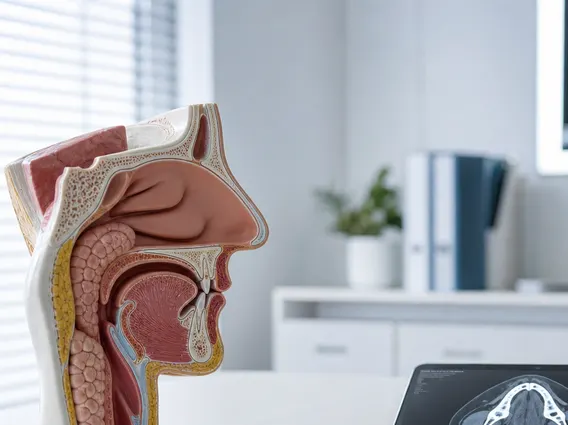
The cranial nerve anatomy is intricate, with each nerve having a specific origin point in the brain or brainstem and a unique pathway. For instance, the olfactory and optic nerves originate from the cerebrum, while the remaining ten pairs emerge from the brainstem. Their pathways are critical, as they navigate through the skull’s bony openings to reach their destinations. Understanding the cranial nerve anatomy and diagram helps visualize how these nerves are organized, with some staying within the head and neck, and one (the Vagus nerve) extending down to the abdomen.
How Cranial Nerves Work
How do cranial nerves work? They function as direct communication lines between the brain and specific parts of the body. Sensory cranial nerves transmit signals from sensory receptors (like those in the eyes, ears, nose, and tongue) to the brain for processing. Motor cranial nerves carry commands from the brain to muscles, initiating movements such as eye rotation, facial expressions, and swallowing. Mixed cranial nerves perform both roles, enabling a coordinated response. For example, the facial nerve (VII) allows us to taste (sensory) and move our facial muscles (motor), demonstrating their integrated functionality.
The 12 Cranial Nerves: Roles and Functions
The human body relies on 12 pairs of cranial nerves, each designated by a Roman numeral (I-XII) and a specific name, reflecting their primary function. A comprehensive list of 12 cranial nerves and their roles highlights their individual contributions to our sensory experiences and motor control. These nerves are crucial for everything from basic survival instincts to complex social interactions.
Olfactory Nerve (I)
The Olfactory Nerve (I) is a purely sensory nerve responsible for the sense of smell. It transmits olfactory information from the nasal cavity to the brain, allowing us to detect and differentiate various odors.
Optic Nerve (II)
The Optic Nerve (II) is also a purely sensory nerve, dedicated to vision. It carries visual information from the retina of the eye to the brain, where it is processed into images.
Oculomotor Nerve (III)
The Oculomotor Nerve (III) is primarily a motor nerve. It controls most of the eye’s movements, including upward, downward, and medial gaze, and also innervates muscles responsible for lifting the eyelid and constricting the pupil.
To further detail the list of 12 cranial nerves and their roles, here is a table summarizing all twelve:
| Roman Numeral | Name | Primary Function | Type (Sensory/Motor/Mixed) |
|---|---|---|---|
| I | Olfactory | Sense of smell | Sensory |
| II | Optic | Vision | Sensory |
| III | Oculomotor | Eye movement (most), pupil constriction, eyelid elevation | Motor |
| IV | Trochlear | Eye movement (downward and inward) | Motor |
| V | Trigeminal | Facial sensation, mastication (chewing) | Mixed |
| VI | Abducens | Eye movement (lateral) | Motor |
| VII | Facial | Facial expression, taste (anterior 2/3 of tongue), tear and salivary gland secretion | Mixed |
| VIII | Vestibulocochlear | Hearing, balance | Sensory |
| IX | Glossopharyngeal | Taste (posterior 1/3 of tongue), swallowing, salivary gland secretion, sensation from pharynx | Mixed |
| X | Vagus | Voice, swallowing, regulation of visceral organs (heart, lungs, digestive tract) | Mixed |
| XI | Accessory | Shoulder shrug, head turning | Motor |
| XII | Hypoglossal | Tongue movement | Motor |