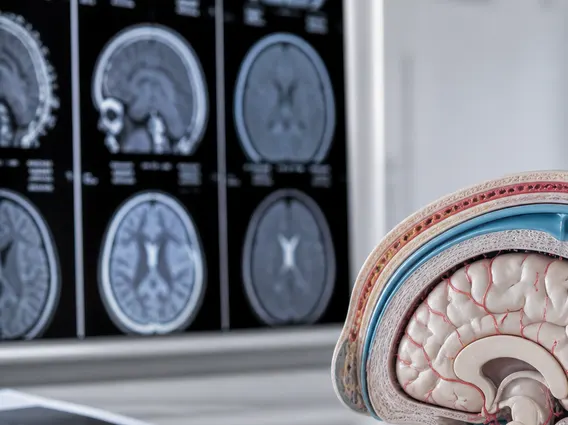
Conventional Treatment
Conventional treatment refers to the standard medical care provided by healthcare professionals, based on scientific evidence and established protocols. It encompasses a wide range of therapies aimed at diagnosing, treating, and preventing diseases and injuries.

Key Takeaways
- Conventional treatment is the mainstream medical approach, grounded in scientific research and clinical trials.
- It relies on evidence-based practices to ensure safety and efficacy in patient care.
- Common methods include pharmacological interventions, surgical procedures, and various rehabilitative therapies.
- Unlike alternative treatments, conventional approaches are typically integrated into standard medical education and practice.
What is Conventional Treatment?
The term conventional treatment definition refers to the widely accepted and scientifically validated medical practices used by doctors, nurses, and other licensed healthcare providers. This approach is characterized by its reliance on rigorous scientific research, clinical trials, and peer-reviewed evidence to determine the safety and effectiveness of therapies. It forms the foundation of modern medicine, focusing on diagnosing specific conditions and applying targeted interventions.
Understanding what is conventional treatment is crucial for patients seeking reliable healthcare. It includes treatments approved by regulatory bodies like the U.S. Food and Drug Administration (FDA) and is taught in medical schools worldwide. The goal is to manage symptoms, cure diseases, prevent complications, and improve overall patient quality of life. For instance, according to the World Health Organization (WHO), evidence-based medicine, which underpins conventional treatment, is essential for achieving universal health coverage and improving health outcomes globally.
Common Types of Conventional Medical Treatments
Conventional treatment encompasses a broad spectrum of interventions designed to address various health conditions. These methods are continuously refined through ongoing research and clinical experience, ensuring they remain at the forefront of medical care. The types of conventional medical treatments often involve a combination of approaches tailored to individual patient needs.
Pharmacological Treatments
Pharmacological treatments involve the use of medications to prevent, diagnose, or treat diseases. These drugs can range from over-the-counter remedies to prescription-only medications, each designed to target specific biological pathways or pathogens. Examples include antibiotics for bacterial infections, insulin for diabetes management, chemotherapy drugs for cancer, and pain relievers for symptom control. The development and administration of these drugs are strictly regulated to ensure efficacy and minimize adverse effects.
Surgical Procedures
Surgical procedures involve physical intervention on the body to repair, remove, or replace damaged or diseased tissues and organs. This can range from minimally invasive techniques, such as laparoscopic surgery, to complex open surgeries. Common surgical interventions include appendectomies, joint replacements, tumor excisions, and organ transplants. Surgery is often a critical component of treatment for conditions that cannot be managed effectively through medication alone.
Rehabilitative Therapies
Rehabilitative therapies focus on helping patients recover function, reduce pain, and improve their quality of life after injury, illness, or surgery. These therapies are crucial for restoring independence and preventing long-term disability. Key examples include physical therapy to improve mobility and strength, occupational therapy to regain daily living skills, and speech therapy to address communication or swallowing difficulties. These therapies are often integrated into a comprehensive treatment plan.
Conventional vs. Alternative Treatment Approaches
The distinction between conventional vs alternative treatment info is significant in healthcare. Conventional treatment is characterized by its foundation in scientific evidence, rigorous testing, and widespread acceptance within the medical community. It adheres to a standardized approach, with treatments typically approved by national health authorities and integrated into medical education.
In contrast, alternative treatments, often referred to as complementary or integrative therapies, typically lack the same level of scientific validation through large-scale clinical trials. These may include practices such as acupuncture, herbal medicine, chiropractic care, or naturopathy. While some alternative therapies may offer supportive benefits or symptom relief for certain individuals, they are generally not considered primary treatments for serious medical conditions within the conventional healthcare system. It is important for patients to discuss any alternative therapies they are considering with their conventional healthcare provider to ensure safety and avoid potential interactions with prescribed treatments.
Disclaimer: Information about alternative/complementary therapies is for supportive purposes only and does not replace professional medical advice or conventional treatment. Always consult with a qualified healthcare provider for any health concerns or before making any decisions related to your health or treatment.