Contrast Esophagram
A contrast esophagram is a specialized medical imaging test used to visualize the esophagus, the muscular tube connecting the throat to the stomach. This diagnostic procedure helps healthcare providers identify various conditions affecting the swallowing process and esophageal health.
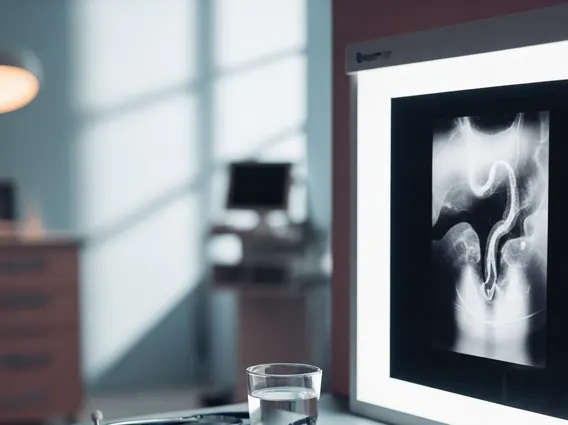
Key Takeaways
- A contrast esophagram uses X-rays and a barium solution to examine the esophagus.
- It helps diagnose swallowing difficulties, reflux, strictures, and other esophageal abnormalities.
- The procedure involves drinking a contrast liquid while X-ray images are taken.
- Preparation typically includes fasting for several hours before the test.
- It’s a safe, non-invasive way to assess esophageal function and structure.
What is a Contrast Esophagram and Its Purpose?
A contrast esophagram, also known as a barium swallow or esophagogram, is a diagnostic imaging test that allows doctors to examine the structure and function of the esophagus. During this procedure, the patient drinks a liquid containing barium, a metallic compound that appears white on X-rays, coating the inner lining of the esophagus. This coating enables radiologists to observe the esophagus in detail as the barium travels down to the stomach, revealing any abnormalities. Understanding what is Contrast Esophagram is crucial for patients experiencing swallowing issues or other esophageal symptoms, providing a clear picture of what is a contrast esophagram.
Why is a Contrast Esophagram Performed?
The purpose of contrast esophagram test is to diagnose a range of conditions affecting the esophagus. It is often recommended for individuals experiencing symptoms such as difficulty swallowing (dysphagia), painful swallowing (odynophagia), persistent heartburn, unexplained chest pain, or recurrent vomiting. The test can identify structural problems like strictures (narrowing), tumors, polyps, or diverticula (pouches). It also helps evaluate functional issues such as gastroesophageal reflux disease (GERD), hiatal hernias, and motility disorders where the esophageal muscles do not contract properly. According to the American College of Radiology, esophagrams are a valuable tool in the initial assessment of dysphagia, a condition affecting millions globally, with prevalence increasing with age.
Contrast Esophagram: Procedure and Preparation
The contrast esophagram procedure explained involves a series of steps designed to capture clear images of the esophagus in action. The entire process typically takes about 15 to 30 minutes. Patients are guided through each stage by a radiologist or radiology technologist.
What to Expect During the Procedure
Upon arrival, you will likely be asked to change into a hospital gown and remove any metal objects that could interfere with X-ray images. You will then be positioned upright, often standing, in front of an X-ray machine. The radiologist will ask you to drink a thick, chalky barium solution. As you swallow, the radiologist will take a series of X-ray images or a continuous video (fluoroscopy) to observe the barium’s movement through your esophagus. You may be asked to change positions, such as lying down or rolling onto your side, to allow the barium to coat all surfaces of the esophagus and to visualize different angles. Sometimes, a thinner barium solution or even a barium-coated food item might be used to assess specific swallowing difficulties. After the imaging is complete, you can usually resume your normal activities, though drinking plenty of fluids is often recommended to help flush the barium from your system.
How to Prepare for Your Esophagram
Proper preparation is essential for obtaining clear and accurate results from your test. Here’s how to prepare for contrast esophagram:
- Fasting: You will typically be instructed not to eat or drink anything, including water, for several hours (usually 6-8 hours) before the procedure. This ensures your esophagus is empty, allowing for optimal visualization.
- Medications: Discuss all your medications, including over-the-counter drugs and supplements, with your doctor before the test. You may be advised to adjust or temporarily stop certain medications, especially those that affect digestion or swallowing.
- Allergies: Inform your doctor and the radiology staff if you have any allergies, particularly to contrast materials or any food allergies.
- Pregnancy: If there is any possibility you are pregnant, inform your doctor immediately, as X-ray procedures are generally avoided during pregnancy.
Following these instructions carefully will help ensure the success and accuracy of your contrast esophagram.